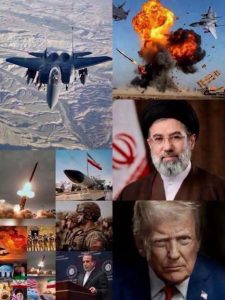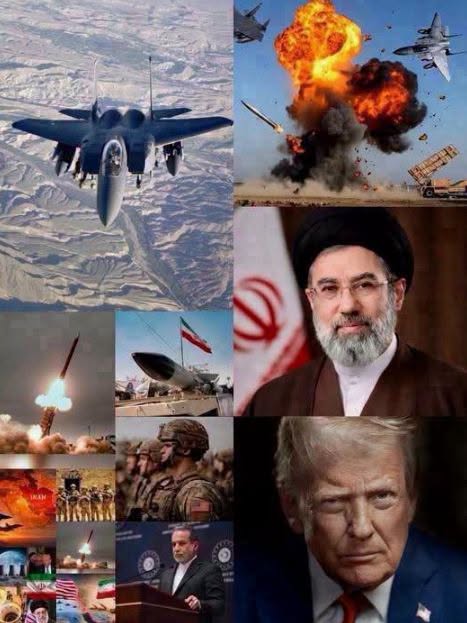
Iran Warns of Retaliation as U.S.–Iran Tensions Reach a Dangerous New Level
A frightening headline is spreading rapidly online: “Iran will strike America tonight, and it will start with the state of…” The wording is designed to create immediate alarm, but there is an important distinction between a dramatic claim circulating online and information that has actually been confirmed by reliable authorities.
What is confirmed is that tensions between the United States and Iran have reached an extremely dangerous level.
On September 8, 2026, the Middle East remained engulfed in a widening conflict involving Iran, the United States and several regional actors. Iran has threatened retaliation following recent U.S. military actions, while Washington continues to apply military and economic pressure against Tehran. The situation around the Strait of Hormuz has become particularly tense, with Iran threatening restrictions on maritime traffic and warning that American interests in the region could be vulnerable.
But that does not mean that an Iranian attack on an American state tonight has been confirmed.
A Dangerous New Phase
The latest developments are nevertheless serious.
Iranian officials have warned that further American attacks could lead to retaliation. Iranian Parliament Speaker Mohammad Baqer Qalibaf has threatened consequences for American interests, while Iranian officials have discussed establishing a restricted maritime zone in the Gulf.
The Strait of Hormuz has become one of the most important flashpoints. The waterway is critical to global energy supplies, and shipping activity has fallen significantly amid the confrontation. Reuters reported that Iran has threatened retaliation against further U.S. attacks and warned that energy infrastructure in the Gulf could be targeted.
That threat alone has been enough to unsettle international markets.
Oil prices have climbed sharply as traders worry that the conflict could disrupt supplies for an extended period. Brent crude approached $100 per barrel as the crisis intensified, demonstrating how quickly military developments in the region can affect ordinary people around the world.
Fighting Has Already Spread Across the Region
The latest violence is not confined to Iran and the United States.
On Tuesday, Iran-backed Houthi forces launched missile and drone attacks against several locations in southern Saudi Arabia. According to reports, the attacks affected areas including Abha, Najran and Jazan, with energy infrastructure among the targets.
At least 73 people were reportedly injured, and fires broke out at important facilities. The attacks represented another major escalation in an already unstable regional conflict.
The events demonstrate why officials around the world are watching the situation so closely.
Every additional attack creates the possibility of retaliation, and every retaliation creates another opportunity for the conflict to expand.
What About an Attack on the United States?
This is where social-media headlines require particular caution.
A claim that Iran will “strike America tonight” is dramatically different from an official warning that American forces or interests face an elevated threat.
At the time of writing, credible reports describe Iranian threats against U.S. and regional interests, but they do not establish that Iran has announced a confirmed attack against a specific U.S. state tonight.
That distinction matters.
A headline naming a particular American state can spread extremely quickly because it creates fear and urgency. People may immediately begin sharing the message with friends and family, often before checking whether the information originated with a government agency, military authority or established news organization.
In a crisis, that can create unnecessary panic.
Americans Are Watching Closely
For Americans, the uncertainty can be especially frightening.
Many people may wonder whether an overseas conflict could suddenly reach the United States. While the possibility of threats against American military personnel, facilities or interests abroad is a serious matter, a viral claim about an imminent attack on a particular state should not automatically be treated as fact.
The safest approach is to rely on official emergency alerts and established news organizations rather than anonymous social-media accounts.
People should also avoid forwarding unverified messages simply because they contain words such as “URGENT,” “BREAKING,” or “TONIGHT.”
Those words do not make a claim true.
The Bigger Concern May Be Escalation
Perhaps the most important story is not whether a particular American state will be attacked tonight.
It is whether the current confrontation will continue expanding.
The United States and Iran have already exchanged military actions, while fighting involving Iran-backed groups has affected other countries in the region. The Strait of Hormuz has become increasingly difficult for commercial shipping, and energy markets are reacting to the possibility of prolonged disruption.
That creates a dangerous chain reaction.
An attack can produce retaliation. Retaliation can produce another attack. Regional allies may become involved, shipping routes can be disrupted, and energy prices can rise. What begins as a confrontation between two governments can quickly affect millions of people far beyond the battlefield.
What Happens Next?
The coming hours and days will be closely watched.
Officials will be looking for signs of additional Iranian military activity, changes in shipping through the Strait of Hormuz, new American military deployments and diplomatic attempts to prevent further escalation.
Iran has demonstrated that it wants the United States to understand that continued military pressure will carry consequences. At the same time, Washington has continued imposing pressure on Tehran, including new sanctions targeting Iran’s aviation sector and related networks.
The situation therefore remains highly unstable.
But amid all the uncertainty, one message is particularly important: do not confuse an alarming headline with a confirmed event.
As of September 8, 2026, there is credible evidence of escalating U.S.–Iran hostilities and Iranian threats of retaliation. There is also evidence of attacks by Iran-backed forces against regional targets.
There is not, however, reliable confirmation that Iran is about to attack a specific American state tonight.
That could change if new intelligence or official announcements emerge. For that reason, anyone concerned should monitor official U.S. government emergency notifications and reputable news organizations for verified developments.
In moments of international crisis, information can travel almost as quickly as missiles.
And sometimes, the most responsible thing a person can do is pause before sharing a frightening claim and ask one simple question:
Has it actually been confirmed?