URGENT: Iran Will Strike America Tonight? What We Know and What Remains Unconfirmed
A frightening headline has been spreading rapidly:
“URGENT: Iran will strike America tonight and will start with the state of…”
For people who see those words on social media, the reaction is understandable.
Is it real?
Is an attack actually planned?
Has Iran identified a specific American state as its first target?
At this moment, those questions are more complicated than the dramatic headline suggests.
The United States and Iran are already involved in a serious and rapidly changing military conflict. Recent reporting indicates that Iranian forces have attempted multiple missile attacks against U.S. Navy vessels in the region, including an aircraft carrier and other warships. U.S. officials say the attacks have not struck American warships.
That reality is serious enough without adding unverified claims.
A Dangerous Night of Uncertainty
The latest developments have increased fears that the conflict could expand.
Iran has been under enormous pressure as the confrontation surrounding the Strait of Hormuz continues. The strategic waterway is extremely important to global energy supplies, and fighting in the region has already contributed to a sharp increase in oil prices.
At the same time, American military forces remain heavily involved in the region.
That creates a dangerous cycle.
One side launches an attack.
The other side responds.
The response creates another threat.
And the possibility of escalation grows.
For ordinary Americans watching the news, however, the most frightening question is much closer to home:
Could the fighting reach the United States?
That is precisely why sensational headlines claiming that Iran will “strike America tonight” can cause panic.
What Has Actually Been Reported?
The latest credible reports describe Iranian attacks against American military forces primarily in the Middle East and surrounding waters—not a confirmed attack on a U.S. state.
The Wall Street Journal reported that Iranian forces had launched multiple missile attacks toward U.S. warships during the week, describing some of them as close calls. The attacks represented a significant escalation because Iranian forces were directly targeting American naval assets.
U.S. Central Command, however, has said that American warships were not struck.
That distinction matters.
A missile attack against a U.S. military vessel overseas is extremely serious, but it is not the same thing as a confirmed missile attack against a city or state inside the United States.
Social media headlines can erase that distinction in seconds.
The Mystery Behind “The State of…”
Another reason these headlines spread so quickly is that they deliberately leave the sentence unfinished.
“Starting with the state of…”
Then comes:
See more.
The missing information creates curiosity.
Readers want to click because they want to know which state supposedly has been targeted.
But unless the claim is supported by credible evidence from government officials or reliable news organizations, there is no reason to assume that the missing state is actually under threat.
A dramatic headline is not proof.
A social media post is not proof.
A screenshot is not proof.
And a video with frightening music is not proof.
During a real military crisis, misinformation can spread incredibly quickly.
Why People Are So Concerned
The fear is understandable because the conflict itself is real.
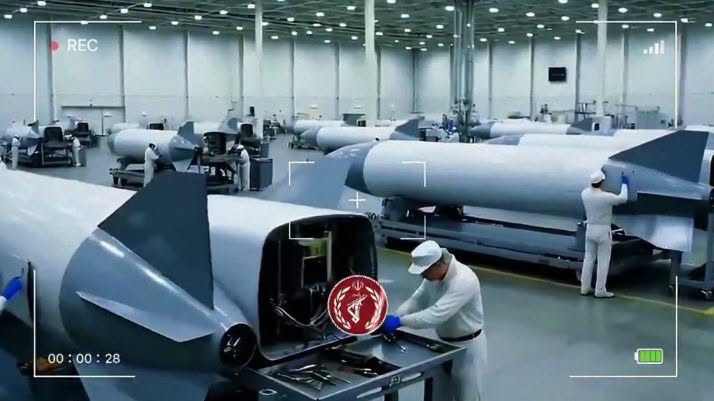
Recent reports describe increasing Iranian pressure against American naval forces and growing tension around the Strait of Hormuz. Iran has also announced new missile capabilities and adopted increasingly aggressive rhetoric about responding to perceived threats.
Meanwhile, President Trump has publicly threatened possible further strikes against Iranian targets, including the fortified Pickaxe Mountain site near Iran’s Natanz nuclear facility.
That means the situation is not imaginary.
There is genuine military escalation.
But genuine escalation does not automatically mean that an attack on an American state is scheduled for tonight.
Those are two very different claims.
What Would Happen If a Homeland Threat Were Confirmed?
If credible intelligence indicated an imminent threat to the American homeland, authorities would be expected to respond through established national-security and emergency systems.
Military officials, intelligence agencies, law enforcement, state governments, and emergency-management agencies would coordinate according to the nature of the threat.
Americans should therefore be cautious about viral posts telling people to immediately flee a particular state or city.
False information during a crisis can create another emergency.
People may panic.
Roads can become congested.
Families can become separated.
Emergency phone lines can be overwhelmed.
That is why official information matters.
The Real Danger May Be Escalation
Perhaps the most important issue tonight is not an unverified claim about a specific American state.
It is the possibility of further escalation between the United States and Iran.
Every military confrontation carries the possibility of miscalculation.
A missile launched at a military target could be interpreted differently by the other side.
A response could be larger than expected.
A regional conflict could expand.
And attacks on shipping routes could affect economies far beyond the battlefield.
Oil prices have already surged amid the escalating conflict, with Brent crude recently moving above $100 per barrel.
That demonstrates how a conflict thousands of miles away can affect ordinary people at home.
Don’t Let Fear Make the Decision
If you see a headline claiming:
“Iran will attack America tonight!”
stop before sharing it.
Ask:
Who reported this?
Is there a date and time?
Is the information coming from an official government source?
Are major news organizations reporting the same thing?
Is the supposed target confirmed?
Or is the post simply designed to make people click?
Those questions can protect you from misinformation.
In moments of crisis, responsible information is more valuable than dramatic information.
Tonight, Stay Informed—Not Panicked
There is no question that tensions between Washington and Tehran are extremely serious.
There have been real attacks.
There are real military forces involved.
There are real risks of escalation.
And the situation can change quickly.
But as of the latest credible reporting available, there is no verified evidence that Iran has announced a plan to attack a specific U.S. state tonight.
That is an important distinction.
Fear should not replace facts.
If the situation changes, official authorities and credible news organizations will provide updates.
Until then, the safest response is not panic.
It is awareness.
It is checking information before sharing it.
It is listening to emergency instructions if authorities issue them.
And it is remembering that behind every frightening headline is a responsibility to tell the truth.
The situation is serious—but a viral headline should never be mistaken for confirmed intelligence.
Stay alert.
Stay informed.
And most importantly, verify before you believe—and verify before you share.