JUST IN: Iran Announces New Conditions as Tensions Escalate
A major new development from Iran is drawing international attention as tensions across the Middle East continue to rise.
On September 20, 2026, Iranian officials publicly reiterated a series of conditions for negotiations with the United States and warned that Tehran would continue its military response if it believes new attacks are launched against Iran. The statements come as fighting, economic pressure, and tensions surrounding the Strait of Hormuz continue to affect the region.
Iran’s message is significant because it combines two approaches that are often presented as opposites: military resistance and diplomacy.
Iranian Parliament Speaker Mohammad Baqer Qalibaf said Iran’s position had been communicated through intermediaries and that Tehran’s conditions were clear. He stated that Iran would not return to previous negotiating conditions until what Iranian officials describe as their legitimate rights are recognized and U.S. commitments are implemented.
One of the most important issues is the Strait of Hormuz.
The waterway is one of the world’s most strategically important maritime routes because enormous quantities of oil and other energy products normally pass through it. Recent fighting and restrictions have already reduced shipping activity, creating concerns about energy supplies and prices around the world. Reuters reported earlier this month that only six commodity vessels passed through the strait on one Tuesday, below the recent 10-day average of about 12.
Iran has now reiterated that it will not reopen the waterway until its conditions are met.
That position creates another major source of uncertainty for governments, businesses, shipping companies, and consumers.
If the situation remains unresolved, disruptions could continue to affect energy markets and international shipping. The consequences would not necessarily be limited to countries directly involved in the conflict. Energy prices can influence transportation costs, manufacturing, food prices, and household expenses far beyond the Middle East.
But Iran’s latest message is not solely about military confrontation.
Reports published on September 20 say Tehran has communicated seven conditions to Washington through Qatari mediators as part of an effort to establish negotiations aimed at ending the war. Those conditions reportedly include ending the conflict, releasing frozen Iranian funds, and ending the naval blockade.
The diplomatic channel is important because Qatar has previously played a role in communication between countries that do not have normal diplomatic relations.
For Iran, negotiations appear to be connected to broader demands concerning sanctions, access to financial resources, maritime restrictions, and the future security arrangement in the region.
At the same time, Iranian officials have warned that rejecting Tehran’s demands could lead to further escalation.
That warning has been particularly significant because the region is already experiencing fighting involving multiple actors.
Iran-backed Houthi forces in Yemen have carried out attacks that Saudi Arabia says have included attempts to strike Riyadh. Saudi authorities reported that a ballistic missile aimed at the capital was intercepted, while Houthi claims concerning attacks on Saudi energy infrastructure have not all been independently verified.
The broader conflict has therefore become more complicated than a direct confrontation between two countries.
There are military operations, attacks involving regional groups, shipping disruptions, economic sanctions, diplomatic negotiations, and competing warnings from governments across the region.
This makes every new statement from Tehran especially important.
Iranian officials say their country will continue resisting what they describe as attacks and pressure while keeping diplomacy available under conditions they consider acceptable. Qalibaf described the strategy as both fighting and negotiating rather than choosing only one path.
The United States, meanwhile, has maintained significant pressure on Iran.
Washington has imposed additional sanctions targeting networks it says support Iranian-backed groups, while the military conflict and economic restrictions have continued to create uncertainty. Reuters reported earlier this month that the U.S. announced new sanctions against companies and individuals accused of helping Hezbollah and other Iranian-aligned organizations.
The economic dimension may ultimately become just as important as the military dimension.
Iran faces pressure from restrictions on its oil exports, financial isolation, and the effects of prolonged conflict. At the same time, disruptions around the Strait of Hormuz can affect the global economy because of the waterway’s importance to international energy markets.
This creates a difficult situation for all sides.
Iran wants guarantees and relief from pressure.
The United States wants changes in Iranian behavior and continues to use military and economic pressure.
Regional governments want to avoid becoming targets.
And international markets want stability.
The result is a highly unpredictable environment.
For ordinary people watching the headlines, one question naturally stands out:
What happens next?
At this moment, there is no confirmed indication that Iran’s latest announcement represents the end of the conflict or the beginning of an immediate peace agreement.
Instead, the available reporting points toward a mixture of negotiation efforts and continued military tension.
That distinction is important.
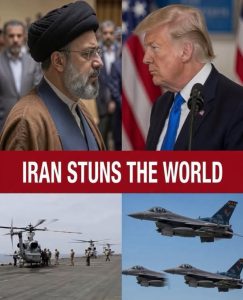
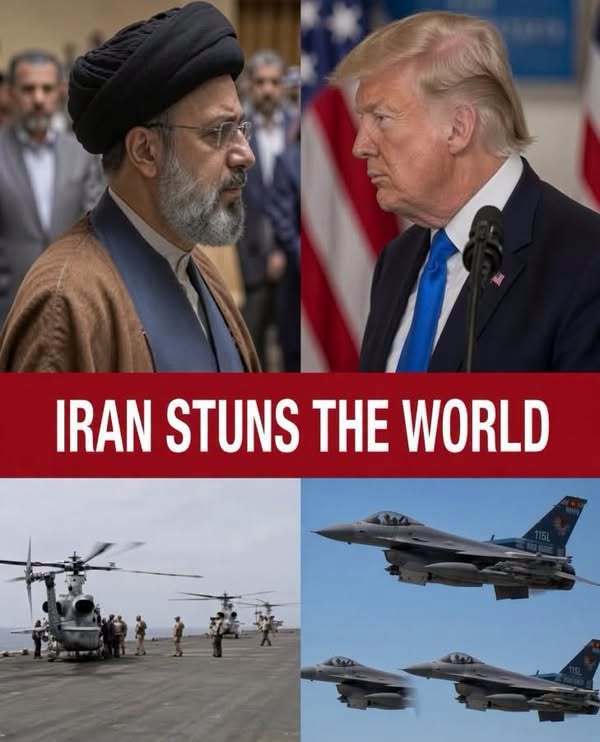
Social media headlines may describe the development as Iran “stunning the world” or making an announcement that has completely changed the situation. Such language can attract attention, but the confirmed facts are more measured: Iranian officials have reiterated their conditions, maintained a hard position on the Strait of Hormuz, and simultaneously left room for negotiations through intermediaries.
The next few days could therefore be closely watched.
Diplomatic messages may determine whether negotiations develop further.
Military actions could either increase pressure or make diplomacy more difficult.
And developments around the Strait of Hormuz could influence international energy markets.
For now, Iran’s latest message can be summarized in one central theme: Tehran says it is prepared to negotiate, but only under conditions it considers acceptable, while also warning that it will continue resisting military pressure.
The world is watching to see whether diplomacy can prevent another escalation—or whether continued confrontation will push the region into an even more dangerous phase.
For millions of people in the region and around the world, the hope remains the same: that negotiations eventually produce a sustainable path toward de-escalation and that civilians are protected from the consequences of a prolonged conflict.
The situation remains fluid, and further announcements from Iran, the United States, and regional governments could significantly change the picture.