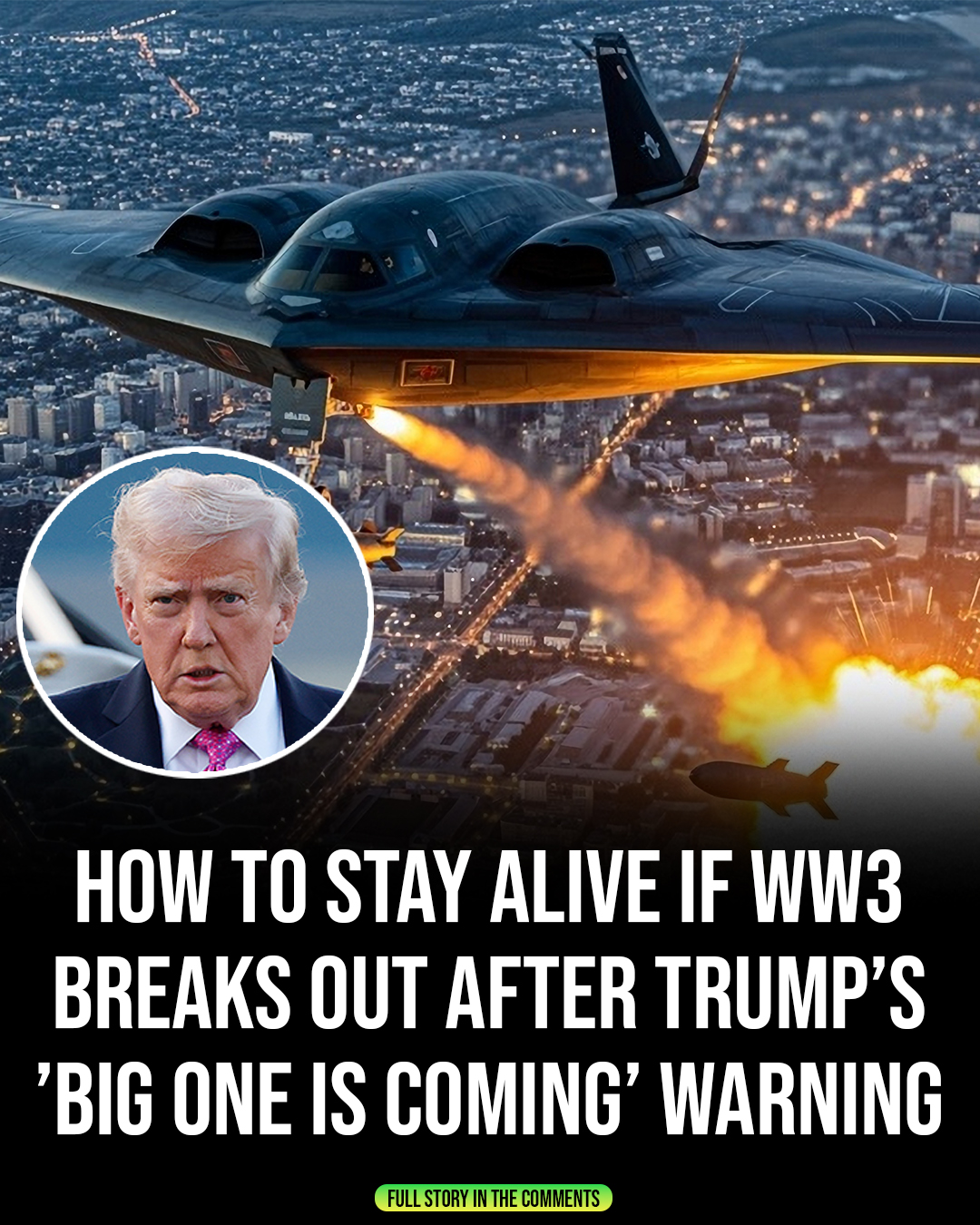
In recent years, global tensions and dramatic headlines have led many people to wonder what they would do if a major global conflict ever erupted. Comments from political figures, including Donald Trump, sometimes spark renewed debate about the possibility of a large-scale war. When people hear warnings about a potential “big one,” the thought of a third world war can feel frightening. While such scenarios remain hypothetical, it can still be helpful to understand practical steps that increase safety and preparedness during any large-scale crisis.
Understanding the Reality of Global Conflict
A global war would likely involve multiple countries and could disrupt transportation, supply chains, communications, and essential services. Modern warfare is different from past conflicts because technology, cyber warfare, drones, and long-range weapons could all play a role. However, experts emphasize that even during large conflicts, most civilians focus on basic survival needs: safety, shelter, food, water, and information.
Preparing for emergencies—whether war, natural disasters, or major infrastructure failures—can help reduce panic and improve your chances of staying safe.
Build an Emergency Supply Kit
One of the most important steps is having a basic emergency supply kit ready. Governments and disaster response agencies recommend storing essential items that could last several days or even weeks if supply chains are disrupted.
A well-prepared kit may include:
- Non-perishable food such as canned goods, rice, beans, and energy bars
- Clean drinking water (at least one gallon per person per day)
- Flashlights and extra batteries
- A portable radio to receive emergency broadcasts
- First-aid supplies and necessary medications
- Warm clothing and blankets
- Important documents stored safely
During major crises, stores can empty quickly. Having supplies ahead of time reduces the need to rush out during emergencies.
Secure Safe Shelter
If a major conflict were to occur, the safest action for most civilians would be to stay indoors in a secure location unless authorities advise evacuation. Homes, apartment buildings, or designated shelters can provide protection from debris, environmental hazards, or civil unrest.
Experts recommend identifying the safest place inside your home, such as:
- A basement
- An interior room without windows
- A reinforced shelter area
These spaces can protect against explosions, severe weather, or other dangers that might occur during conflict or infrastructure disruption.
Stay Informed Through Reliable Sources
Information becomes extremely valuable during a crisis. Rumors and misinformation spread quickly during uncertain times, especially on social media.
To stay informed:
- Follow official announcements from government agencies
- Listen to emergency broadcasts on radio or television
- Monitor trusted news organizations
Accurate information helps people make better decisions about whether to shelter in place, evacuate, or avoid dangerous areas.
Maintain Communication Plans
During large emergencies, communication networks can become overloaded. Families and friends should have a plan for how to contact each other if phones or internet access becomes limited.
Some preparedness strategies include:
- Choosing a designated meeting place
- Writing down important phone numbers
- Using text messages, which often work when calls fail
- Identifying an out-of-area contact person who can relay messages
These simple plans can reduce confusion if communication systems are disrupted.
Learn Basic Survival Skills
Even in urban environments, basic survival knowledge can be extremely helpful during extended emergencies. Skills such as first aid, water purification, and food storage can make a major difference.
Important skills include:
- Treating minor injuries and wounds
- Purifying water using filters, tablets, or boiling
- Conserving food and rationing supplies
- Understanding how to safely use emergency equipment
Many communities offer preparedness courses through organizations such as the American Red Cross, which teaches disaster response and first-aid training.
Prepare Financially and Logistically
Large-scale conflicts can affect banking systems, transportation networks, and employment. Keeping small amounts of emergency cash, copies of important documents, and backup transportation plans can help people navigate disruptions.
Consider storing:
- Identification documents
- Medical records
- Insurance information
- Emergency cash
These items can be extremely useful if evacuation or relocation becomes necessary.
Protect Mental Health During Crisis
Fear and anxiety often spread during global crises. Maintaining mental stability and supporting family members is essential for long-term survival.
Some helpful strategies include:
- Limiting exposure to constant alarming news
- Maintaining routines as much as possible
- Supporting neighbors and community members
- Focusing on practical steps rather than worst-case scenarios
Human resilience plays a major role in overcoming difficult situations.
Community Cooperation Matters
Historically, communities that work together tend to recover more effectively from disasters and conflicts. Sharing resources, helping vulnerable neighbors, and maintaining communication can strengthen local resilience.
Community preparedness groups, neighborhood watch programs, and volunteer networks can provide support during emergencies. These groups often coordinate food distribution, medical aid, and transportation assistance.
Avoid Panic and Dangerous Decisions
During uncertain situations, panic can lead to poor choices. Rushing into crowded areas, spreading rumors, or hoarding excessive supplies can make situations worse.
Instead, focus on calm, logical steps:
- Follow official guidance
- Stay aware of your surroundings
- Avoid unnecessary travel in unstable areas
- Help others when possible
Calm decision-making increases the chances of staying safe.
The Importance of Perspective
While discussions about global conflict can sound alarming, it is important to remember that large-scale wars are rare events and many international organizations work continuously to prevent them. Diplomatic efforts, economic cooperation, and global institutions aim to reduce the risk of catastrophic conflicts.
Preparing for emergencies does not mean expecting the worst; it simply means being ready for unexpected challenges.
Final Thoughts
Warnings from political figures or dramatic headlines often spark fear about the future, but the most effective response is practical preparation and informed awareness. Whether dealing with natural disasters, infrastructure failures, or hypothetical conflicts, the same core principles apply: stay informed, maintain essential supplies, secure safe shelter, and cooperate with your community.
By focusing on readiness rather than panic, individuals and families can strengthen their ability to handle difficult situations and protect those around them. Preparation, calm thinking, and cooperation remain the most powerful tools for staying safe in uncertain times.