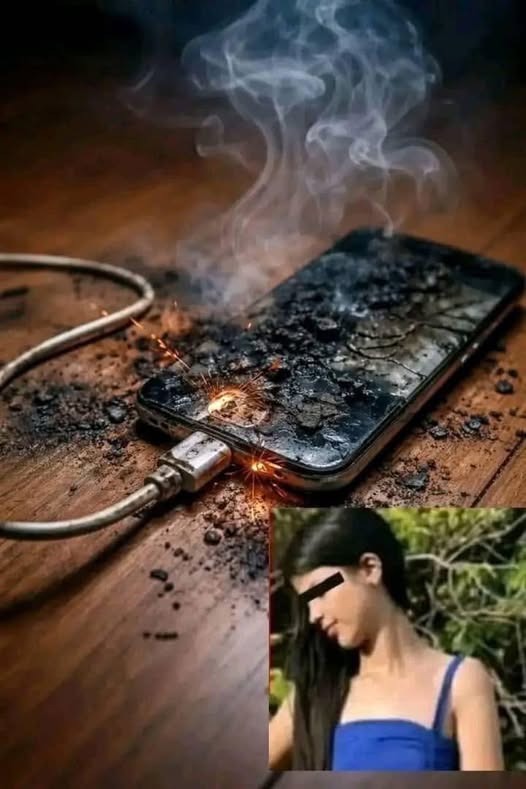
⚠️ WARNING: Never Put Your Charger Like This — It Could Be More Dangerous Than You Think
In today’s world, phone chargers are everywhere. At home, in the office, in your car, and even in public places like airports and cafés—charging your device has become second nature. But what many people don’t realize is that how you use your charger can be just as important as when you use it. A simple mistake—one that millions make every day—can lead to overheating, electrical hazards, or even fire.
Let’s talk about a common but dangerous habit: improper charger placement and usage.
🔌 The Mistake Most People Make
One of the most overlooked risks is placing your charger in unsafe positions—like:
- Plugged into an outlet with the cable bent sharply downward
- Trapped under pillows, blankets, or mattresses
- Hanging loosely from a wall socket with tension on the cable
- Crushed behind furniture or wedged into tight spaces
- Used with damaged cords or loose connections
At first glance, these might seem harmless. After all, your phone still charges, right? But over time, these habits can create serious safety risks.
🔥 Why This Is Dangerous
Chargers generate heat when they convert electricity from your wall outlet into power your phone can use. Under normal conditions, this heat is minimal and safely dissipates into the surrounding air. However, when a charger is used incorrectly, that heat can build up.
For example, when a charger is covered by fabric—like under a pillow—it can’t release heat properly. The temperature rises, and the internal components may begin to degrade. In extreme cases, this can lead to melting, sparks, or even a fire.
Another issue is cable strain. When a charger is bent at a sharp angle or pulled tightly, the internal wires can fray or break. This not only affects performance but can expose live electrical components, increasing the risk of shocks or short circuits.
⚡ Real Risks You Shouldn’t Ignore
Improper charger use isn’t just about damaging your cable—it can have real consequences:
1. Fire Hazards
Overheating chargers have been linked to household fires. A charger trapped under bedding overnight can slowly heat up without you noticing.
2. Electric Shock
Damaged cables may expose wires. Touching these can result in a shock, especially in humid environments.
3. Device Damage
Inconsistent power flow from a faulty charger can harm your phone’s battery, reducing its lifespan or causing it to swell.
4. Outlet Damage
A charger hanging loosely can stress the wall outlet, loosening internal connections and creating sparks.
🛏️ The “Under the Pillow” Danger
One of the most common—and dangerous—habits is charging your phone under your pillow while you sleep. It might feel convenient, especially if you want your phone nearby, but it’s a serious risk.
Pillows trap heat. When combined with a charging device, this creates a mini “heat pocket.” Over several hours, temperatures can rise significantly. There have been multiple reports of burn marks, melted chargers, and even small fires starting this way.
Even if nothing dramatic happens, repeated overheating can weaken your charger over time—making future use more dangerous.
🧠 Why People Ignore the Risk
The biggest problem is that these dangers don’t always show immediate effects. You might use a damaged charger for weeks without noticing anything wrong. This creates a false sense of safety.
People often think:
- “It’s just a small bend—it’s fine.”
- “I’ve always done it this way.”
- “Nothing has happened so far.”
But electrical hazards don’t always give warnings. When they do appear, it can be too late.
✅ How to Use Your Charger Safely
The good news is that avoiding these risks is simple. Here are some safe charging practices you should follow:
✔️ Keep your charger in open air
Always place your charger on a hard, flat surface where heat can dissipate.
✔️ Avoid bending the cable sharply
Let the cable hang naturally without tension or pressure.
✔️ Don’t charge on beds or couches
Soft surfaces trap heat and increase fire risk.
✔️ Check your cable regularly
Look for fraying, discoloration, or exposed wires. Replace damaged chargers immediately.
✔️ Use certified chargers
Cheap or counterfeit chargers may lack proper safety features.
✔️ Unplug when not in use
This reduces wear and eliminates unnecessary risk.
🔍 Signs Your Charger Is Unsafe
Pay attention to warning signs, including:
- The charger feels unusually hot
- You notice a burning smell
- The cable is cracked or frayed
- Charging is inconsistent or slow
- The plug doesn’t fit securely in the outlet
If you notice any of these, stop using the charger immediately.
👨👩👧👦 A Hidden Risk for Families
Children and teens are especially prone to unsafe charging habits—like using phones in bed or leaving chargers plugged in carelessly. Educating them about these risks can prevent accidents.
It’s also important in households with pets. Animals may chew on cables, exposing wires and increasing danger.
⚠️ Final Thoughts
A phone charger might seem like one of the safest everyday items—but when used incorrectly, it can become a serious hazard. The phrase “never put the charger like this” isn’t just a warning—it’s a reminder that small habits can have big consequences.
By making a few simple changes—keeping your charger in a safe position, avoiding heat buildup, and checking for damage—you can protect your home, your devices, and your safety.
Next time you plug in your phone, take a second look. That small adjustment could make all the difference.