Pregnant Woman Dies in Surgery Because of Unexpected Complications — A Community Mourns and Questions Remain
What began as one of the happiest chapters in a young family’s life ended in unimaginable tragedy when a pregnant woman lost her life during what doctors initially described as a routine surgical procedure. The heartbreaking incident has shaken her community, sparked conversations about maternal health risks, and left loved ones searching for answers.
Sarah Mitchell, a 29-year-old teacher known for her kindness and warm smile, was eagerly awaiting the birth of her first child. Friends say she spent months preparing a nursery, carefully choosing tiny clothes, and documenting her pregnancy journey with hopeful excitement. To those around her, Sarah represented joy, patience, and optimism.
Her pregnancy had progressed smoothly during the first two trimesters. Medical appointments showed no major concerns, and ultrasound images revealed a healthy baby boy. Family members recall how she and her husband, Daniel, counted down the days until they would finally meet their child.
However, during her seventh month of pregnancy, Sarah began experiencing unusual discomfort and persistent abdominal pain. Initially dismissed as normal pregnancy-related symptoms, the pain gradually intensified. Concerned, her doctors recommended further evaluation, which revealed a complication requiring immediate surgical intervention.
According to hospital officials, the procedure was intended to correct an internal issue believed to pose a risk to both mother and baby if left untreated. Physicians assured the family that while surgery during pregnancy always carries risks, the medical team was confident the operation would protect Sarah’s health and give the baby the best chance of survival.
On the morning of the surgery, Sarah reportedly remained calm and hopeful. Daniel later shared that she squeezed his hand before being taken into the operating room and joked about finally getting relief from the discomfort that had troubled her for weeks.
But hours later, events took a devastating turn.
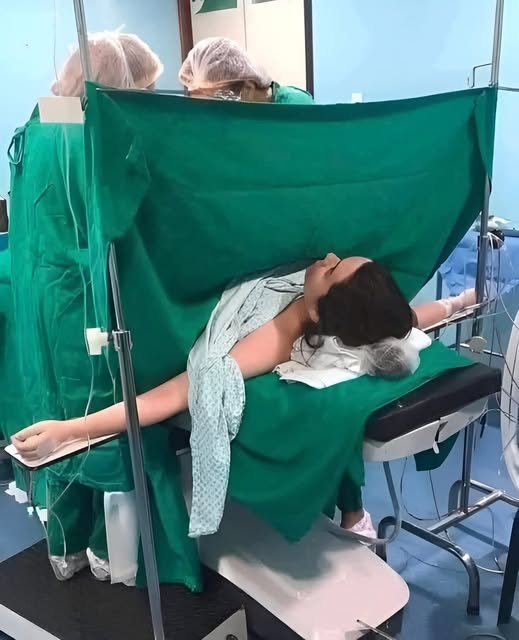
During the operation, doctors encountered unexpected complications. Sources close to the hospital say Sarah experienced severe internal bleeding, a rare but life-threatening surgical risk. Medical staff worked urgently to stabilize her condition while simultaneously monitoring the unborn baby’s health.
Despite aggressive efforts by surgeons and anesthesiologists, Sarah’s condition deteriorated rapidly. Emergency measures were performed in an attempt to save both mother and child. The surgical team made the difficult decision to perform an emergency delivery in hopes of preserving at least one life.
The baby boy was successfully delivered and immediately transferred to the neonatal intensive care unit. Hospital representatives later confirmed that the infant survived but required intensive monitoring due to premature birth.
Tragically, Sarah did not recover.
After several hours of resuscitation attempts, doctors informed Daniel and family members that she had passed away due to complications related to massive blood loss during surgery.
The news spread quickly throughout the community, leaving friends, colleagues, and neighbors stunned. Outside the hospital, loved ones gathered in silence, many holding candles and flowers. Social media filled with tributes describing Sarah as compassionate, generous, and deeply devoted to her students and family.
“She was the kind of person who remembered everyone’s birthday,” said one coworker. “She made people feel seen and valued. It’s impossible to believe she’s gone.”
Daniel released a brief statement thanking medical staff for their efforts while expressing overwhelming grief.
“Sarah was my best friend and the love of my life,” he wrote. “She was so excited to become a mother. Our son will grow up knowing how strong and beautiful she was.”
Medical experts emphasize that while modern obstetrics has significantly improved maternal safety, pregnancy still carries risks that can change rapidly. Surgical procedures during pregnancy are performed only when physicians believe the benefits outweigh potential dangers.
Dr. Karen Lopez, an obstetric specialist not involved in the case, explained that complications such as hemorrhage, blood clotting disorders, or reactions to anesthesia can arise suddenly even in otherwise healthy patients.
“Medicine can reduce risk, but it can never eliminate it entirely,” she said. “Every pregnancy is unique, and sometimes events unfold in ways no one anticipates.”
The tragedy has also renewed discussions about maternal mortality, an issue receiving increasing national attention. Health advocates point out that complications during pregnancy and childbirth remain a leading concern worldwide, even in advanced healthcare systems.
Community members have since organized fundraisers to support Daniel and the newborn, who remains under medical supervision. A local church hosted a vigil attended by hundreds of people, many sharing stories about Sarah’s generosity and dedication to helping others.
Students placed handwritten letters and drawings near her classroom door, expressing love for the teacher who encouraged them to believe in themselves. One note read simply: “Thank you for always being kind.”
In the days following her passing, questions naturally emerged about what happened inside the operating room. Hospital administrators announced that an internal review would examine the circumstances surrounding the surgery to ensure all protocols were followed and to identify any lessons that could improve patient safety in the future.
Such reviews are standard practice after unexpected medical deaths, experts say, and are meant to provide clarity rather than assign blame.
For Daniel, however, the focus remains on honoring Sarah’s memory and caring for their child.
Friends say he spends hours beside the neonatal incubator, speaking softly to his son and sharing stories about the mother he will never meet. Nurses have described emotional moments when Daniel plays recordings of Sarah’s voice, believing that even in those early days, the baby might recognize the sound.
Grief counselors note that tragedies involving childbirth carry a unique emotional weight. Families simultaneously experience profound loss and fragile hope — mourning a life while welcoming another.
“Joy and heartbreak exist together,” explained therapist Melissa Grant, who works with bereaved parents. “Healing becomes a long journey shaped by love, memory, and resilience.”
As the community continues to mourn, Sarah’s story has become more than a personal tragedy. It has inspired conversations about maternal healthcare awareness, early symptom reporting, and the emotional realities faced by families navigating medical uncertainty.
A scholarship fund in her name is already being planned at the school where she taught, intended to support students pursuing careers in education — a tribute organizers say reflects her lifelong passion for helping young people succeed.
Though Sarah’s life ended far too soon, those who knew her believe her legacy lives on through the child she longed to meet and the countless lives she touched.
At a candlelight vigil held one week after her passing, Daniel addressed the crowd briefly, holding back tears.
“Sarah believed in kindness,” he said. “If there’s anything we can do now, it’s to take care of each other the way she always did.”
As candles flickered in the evening air, friends and strangers stood together in silence — honoring a mother, a teacher, and a life remembered not for the tragedy that ended it, but for the love she left behind.