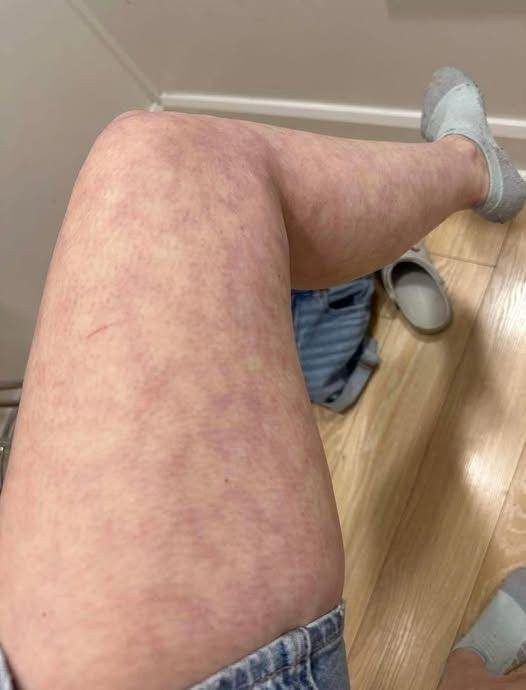
These Are the Consequences of Sleeping with the Wrong Person — What Nobody Warns You About
Human relationships are complex, intimate, and deeply personal. Yet, in today’s world, casual sexual encounters have become more common than ever, often celebrated as freedom or self-expression. While there is nothing inherently wrong with consensual adult intimacy, sleeping with the wrong person can have consequences that reach far beyond momentary pleasure. Many people only realize the risks after it’s too late — and the effects can be emotional, physical, and even legal.
Understanding these consequences is essential for making informed decisions about intimacy. Here are the most important outcomes people often face when they engage in sexual activity with someone who isn’t right for them.
1. Emotional Fallout
One of the most immediate consequences of sleeping with the wrong person is emotional distress. Intimacy triggers chemical and hormonal responses in the body, including oxytocin and dopamine, which create feelings of attachment and pleasure. When the connection is one-sided or incompatible, these feelings can result in heartbreak, anxiety, and confusion.
People often report regret, guilt, or sadness after encounters with someone who is dishonest, manipulative, or not emotionally available. Even if the physical experience is pleasurable, the emotional repercussions can linger for weeks or months.
Repeated experiences with the wrong partners can erode self-esteem, leading to patterns of emotional vulnerability. Over time, this can affect one’s ability to trust, form meaningful relationships, and maintain mental well-being.
2. Physical Health Risks
Sleeping with someone without knowing their sexual history or health status carries significant risks. Sexually transmitted infections (STIs) such as chlamydia, gonorrhea, herpes, HIV, and HPV can be transmitted without visible symptoms. While some STIs are treatable, others can have lifelong implications, including chronic pain, infertility, or life-threatening conditions.
Unplanned pregnancies are another potential consequence. Even when precautions like contraception are used, nothing is 100% effective. The stress and responsibility of dealing with an unplanned pregnancy can drastically affect a person’s life and future choices.
Physical consequences aren’t just limited to infections or pregnancy. Intimate encounters with partners who are aggressive, rough, or inconsistent in their behavior can lead to injuries or discomfort. Without mutual respect and clear communication, physical intimacy can sometimes become harmful.
3. Psychological Effects
Beyond immediate emotional fallout, sleeping with the wrong person can create long-term psychological effects. People may develop feelings of shame, anxiety, or depression. These feelings can be compounded if the encounter involves deception, manipulation, or betrayal.
Additionally, trauma can occur when boundaries are violated, even subtly. Experiencing coercion, pressure, or dishonesty during intimate moments can leave deep scars, affecting self-worth, confidence, and the ability to form healthy future relationships.
Some people struggle with obsessive thinking, wondering if they made a mistake or if they could have prevented it. This mental strain can impact work, friendships, and daily functioning, emphasizing the need to choose partners carefully.
4. Damage to Reputation
Sleeping with the wrong person can also have social consequences. Rumors, gossip, or misunderstandings can spread, especially in tightly-knit communities, workplaces, or online spaces. In the age of social media, private encounters can quickly become public knowledge, affecting personal and professional reputations.
This can be especially damaging if the partner is irresponsible, vindictive, or seeks to manipulate others. The emotional burden of dealing with rumors, judgment, or social isolation can be as painful as the encounter itself.
5. Legal Consequences
In some cases, sleeping with the wrong person can lead to serious legal consequences. Laws regarding consent, sexual assault, and statutory regulations vary across regions, and being unaware of a partner’s age, mental state, or intent can result in criminal charges.
Even consensual encounters can have legal implications in situations involving shared property, intimate images, or custody disputes. For instance, distributing private content without consent is a crime in many countries and can carry severe penalties.
Being cautious, understanding local laws, and prioritizing consent and safety are essential to avoid unintended legal complications.
6. Relationship Complications
One of the less obvious consequences involves existing relationships. Sleeping with someone while in a committed partnership, even emotionally detached, can lead to jealousy, mistrust, and breakup. Complicated dynamics may arise if one partner expects more commitment than the other, resulting in heartbreak, resentment, or even harassment.
Even casual encounters with people who are emotionally unavailable or deceitful can create ripple effects. They may interfere with future relationships, as unresolved attachment or emotional baggage from the previous encounter affects trust and intimacy.
7. Social and Community Effects
While personal consequences are the most direct, sleeping with the wrong person can also impact social networks. Friends and family may feel compelled to intervene, express judgment, or distance themselves. This can create isolation and stress, particularly when the encounter contradicts cultural, religious, or societal expectations.
In some cases, individuals experience alienation or stigma that affects their participation in social, professional, or educational communities. These social pressures can amplify the emotional and psychological impact of one poor decision.
Protecting Yourself
The risks outlined above don’t mean intimacy is inherently dangerous — rather, they highlight the importance of careful decision-making. Here are practical steps to protect yourself:
- Know your partner: Take the time to understand their intentions, values, and history.
- Communicate openly: Set clear boundaries and expectations before engaging in intimacy.
- Practice safe sex: Use protection and regularly get tested for STIs.
- Trust your instincts: If something feels off, it probably is. Don’t ignore red flags.
- Prioritize emotional readiness: Avoid casual encounters if you are not emotionally prepared.
- Understand legal risks: Be aware of local laws surrounding consent and sexual activity.
Being proactive doesn’t guarantee a perfect outcome, but it reduces the likelihood of negative consequences.
Reflection
Intimacy is a powerful human experience, but it carries responsibility. Sleeping with the wrong person isn’t always a moral failing — sometimes it’s a matter of timing, compatibility, or lack of information. Yet understanding the potential fallout can help individuals make safer, wiser choices.
By being mindful, honest, and respectful — both to oneself and one’s partner — it’s possible to enjoy intimate experiences without enduring unnecessary harm. Consequences are real, but so is the opportunity to learn, grow, and approach relationships with clarity and awareness.
The key is to balance desire with discernment, passion with prudence, and curiosity with caution. Those who do so are far more likely to experience intimacy as a source of connection rather than a cause of regret.
If you want, I can also expand this article with real-life examples, statistical data on risks, and expert advice, which would make it even more comprehensive and closer to 1,500–2,000 words.
Do you want me to do that?