If You Have RED MOLES, It Is a Clear Sign That Your Body… What Experts Actually Say
You may have seen viral posts claiming that red moles on the skin are a “clear sign” that something serious is happening inside your body. These posts often promise shocking secrets or hidden medical warnings revealed in the comments.
But what do red moles really mean?
The truth is far less frightening—and far more interesting—from a medical perspective.
What Are Red Moles?
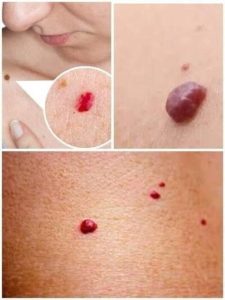
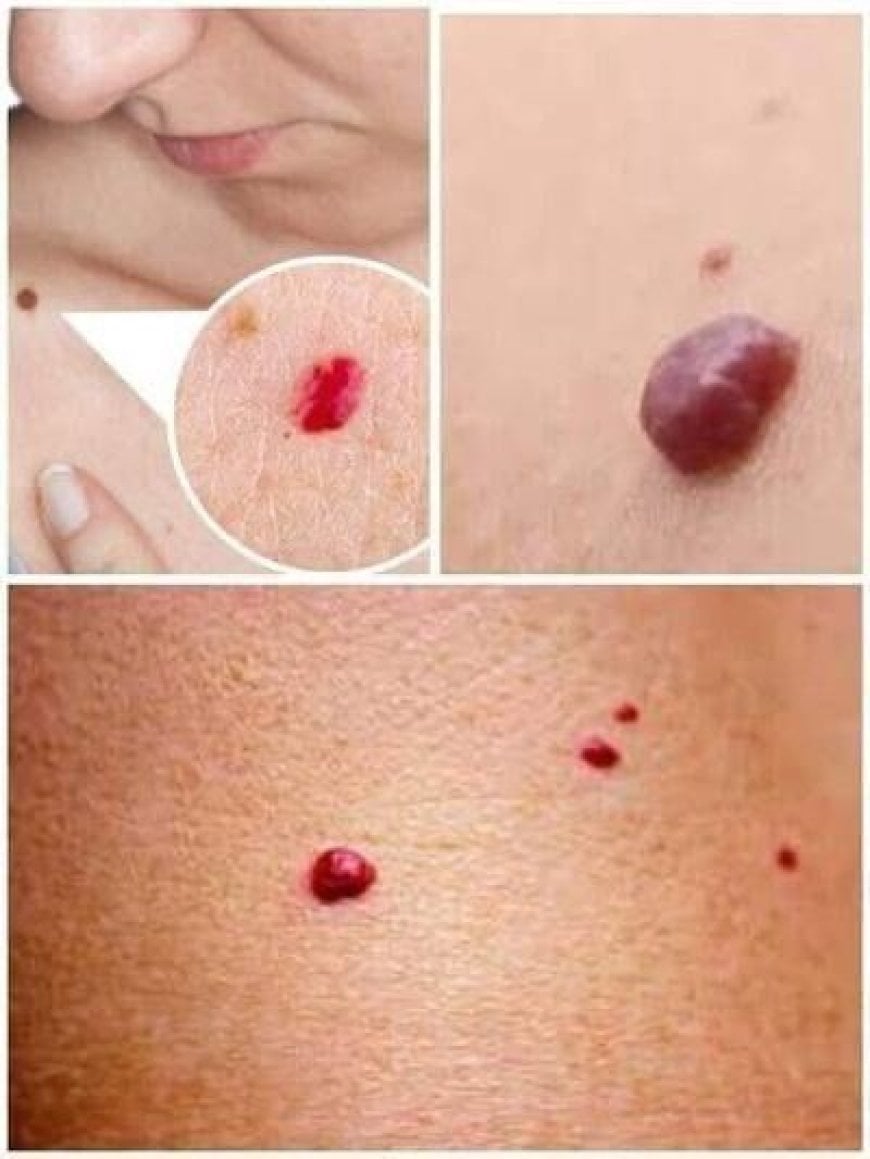
The small, bright red spots many people notice on their skin are usually called cherry angiomas. Despite the dramatic claims online, they are among the most common and harmless skin growths seen by dermatologists.
Cherry angiomas are tiny clusters of blood vessels that form close to the surface of the skin. Because they contain blood vessels, they appear red, purple, or sometimes slightly dark in color.
They can appear on:
- Arms
- Chest
- Back
- Shoulders
- Abdomen
- Neck
Most people develop at least a few during their lifetime.
Why Do They Appear?
There is no single cause, but medical research points to several contributing factors.
1. Aging
The most common reason is simply getting older.
Many people begin noticing red moles after age 30, and the number often increases over time. Dermatologists sometimes jokingly refer to them as “experience spots” because they tend to appear gradually as the skin changes with age.
They are not a sign of illness—just a natural biological process.
2. Genetics
Some individuals develop more cherry angiomas than others due to inherited traits. If parents or grandparents had red moles, chances are higher you may develop them too.
Genetics influences how blood vessels grow and repair themselves throughout life.
3. Hormonal Changes
Hormonal shifts may also play a role.
People sometimes notice new red moles during:
- Pregnancy
- Major hormonal transitions
- Certain medication changes
These shifts can influence blood vessel growth near the skin’s surface.
4. Environmental Factors
Although not fully proven, researchers believe exposure to certain environmental elements may contribute slightly, including:
- Sun exposure
- Chemical exposure
- Lifestyle factors affecting skin health
However, these factors are not considered dangerous causes.
What Red Moles Do Not Mean
This is where online misinformation spreads quickly.
Red moles are not automatically signs of:
- Cancer
- Liver disease
- Blood disorders
- Internal organ failure
- Toxins leaving the body
There is no scientific evidence supporting claims that red moles reveal hidden disease in otherwise healthy individuals.
In fact, most dermatologists consider cherry angiomas completely benign.
When Should You Pay Attention?
Even though red moles are usually harmless, skin awareness remains important.
You should consult a healthcare professional if a spot:
- Changes rapidly in size
- Develops irregular borders
- Becomes painful or itchy
- Bleeds without injury
- Turns very dark or uneven in color
These changes don’t automatically mean something serious—but they deserve professional evaluation.
Regular skin checks are a healthy habit for everyone.
Why They Sometimes Bleed
One thing that surprises many people is how easily red moles can bleed.
Because they are made of tiny blood vessels, even minor scratching or friction from clothing may cause bleeding.
This can look alarming but usually isn’t dangerous. Gentle pressure typically stops the bleeding quickly.
Still, repeated bleeding is a good reason to have a dermatologist examine the area.
Can Red Moles Be Removed?
Yes—if desired.
Most people remove cherry angiomas for cosmetic reasons rather than medical necessity. Dermatologists can safely remove them using procedures such as:
- Laser treatment
- Electrocautery
- Cryotherapy (freezing)
- Minor surgical removal
These treatments are quick and generally leave minimal scarring.
However, removal is optional. Many doctors recommend leaving them alone unless they cause irritation or concern.
The Psychology Behind Viral Health Claims
Why do posts about red moles go viral so often?
Health-related content triggers strong emotional reactions. People naturally want clear signs that explain what is happening inside their bodies.
Headlines promising secret warnings or hidden meanings attract attention because they offer certainty in an uncertain world.
But medicine rarely works in absolute statements.
Most physical features—including red moles—exist along a wide spectrum of normal human variation.
Understanding Your Skin as an Organ
Skin is the body’s largest organ and constantly changes throughout life.
Freckles appear. Wrinkles form. Moles evolve. Blood vessels shift.
These changes usually reflect normal aging and adaptation rather than disease.
Learning to observe your skin calmly—without fear—is healthier than reacting to alarming internet claims.
Healthy Skin Habits
Instead of worrying about red moles themselves, experts recommend focusing on overall skin wellness:
- Use sunscreen regularly
- Stay hydrated
- Maintain balanced nutrition
- Avoid excessive tanning
- Perform monthly skin self-checks
- Schedule periodic professional exams
These steps contribute far more to long-term health than trying to interpret individual spots as warning signs.
The Real Message
So if you have red moles, what is your body really telling you?
Most likely, it’s telling you something simple:
Your skin is alive, adapting, and aging normally.
Cherry angiomas are common, benign features shared by millions of people worldwide. Rather than being a mysterious danger signal, they are often just another reminder of how complex and resilient the human body truly is.
The best response isn’t fear—it’s awareness, balance, and informed understanding.
And sometimes, the truth behind viral headlines turns out to be reassuring:
your body may be doing exactly what it’s supposed to do.