US Helicopter Base Hit in Kuwait and Iran’s Retaliatory Attacks After Strikes on U.S. Military in Bahrain: A Full Explanation of the 2026 Middle East Conflict
In early 2026, tensions in the Middle East escalated rapidly after a chain of military strikes, counterstrikes, and political warnings pushed the region to the brink of a wider confrontation. What began as a targeted security operation soon evolved into a dangerous cycle of retaliation involving the United States, Iran, and several Gulf nations. The reported strike on a U.S. helicopter base in Kuwait marked one of the most alarming moments of the crisis, signaling how quickly localized conflict could spread across borders.
The Initial Spark: U.S. Military Strikes in Bahrain
The conflict traces back to U.S. military operations conducted near Bahrain, where American forces maintain a major naval presence. U.S. officials claimed intelligence had identified militant groups allegedly supported by Iran preparing attacks on American personnel and allied infrastructure. Acting under what Washington described as “defensive necessity,” U.S. forces launched precision strikes against suspected command facilities and weapons depots.
Bahrain hosts the U.S. Navy’s Fifth Fleet, making it one of the most strategically significant American military hubs in the Middle East. Any threat to installations there carries enormous implications for global shipping routes, energy security, and regional stability.
While U.S. leaders emphasized that the strikes were limited and aimed only at militant targets, Iran interpreted them differently. Tehran accused Washington of violating sovereignty and destabilizing the region under the pretext of counterterrorism.
Iran’s Response: Retaliation Across the Gulf
Within days, Iran announced what it described as a “measured but firm response.” Rather than engaging directly in open warfare, Iranian strategy appeared focused on asymmetric retaliation — targeting U.S. interests through regional pressure points.
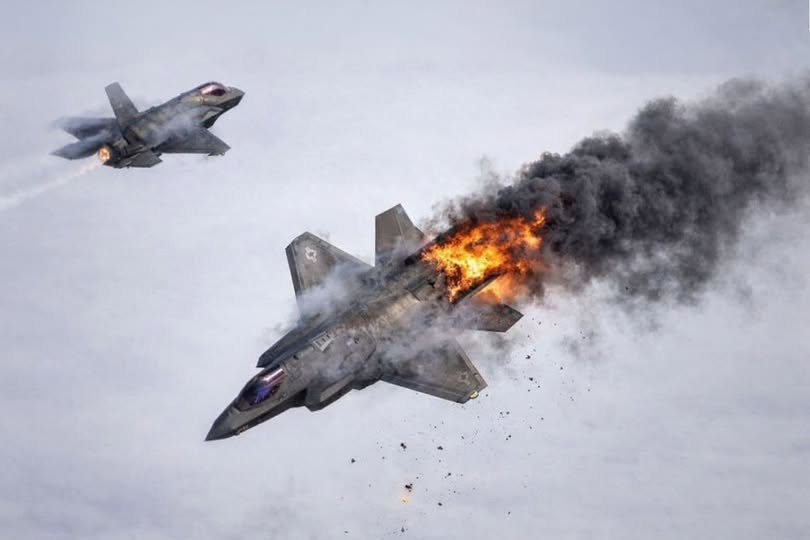
Missile and drone activity intensified across the Gulf. Several incidents were reported near American facilities, and regional air defenses were placed on high alert. The most shocking development came when a U.S. helicopter base in Kuwait was reportedly struck during a nighttime attack.
Though early reports varied, military analysts suggested the strike may have involved drones or short-range ballistic missiles designed to test defensive systems rather than cause maximum casualties. Still, the symbolism was powerful: U.S. assets in multiple countries were now vulnerable.
Kuwait, traditionally cautious in regional disputes, suddenly found itself pulled into the center of escalating hostilities.
Why Kuwait Became a Target
Kuwait hosts logistical hubs critical to U.S. operations across the Middle East. Helicopter bases there support troop transport, surveillance missions, and rapid response capabilities throughout Iraq and surrounding regions.
Targeting such a facility served several strategic purposes for Iran:
- Demonstrating reach — showing it could strike beyond immediate conflict zones.
- Avoiding direct war — hitting infrastructure rather than large troop concentrations.
- Sending political signals — warning Gulf states about hosting U.S. military forces.
Iran’s leadership framed the attack as retaliation rather than aggression, insisting it sought deterrence, not escalation.
Regional Reaction: Fear of a Wider War
The Gulf Cooperation Council countries reacted with alarm. Saudi Arabia, the United Arab Emirates, and Qatar increased military readiness, while diplomatic channels worked urgently to prevent miscalculation.
Oil markets immediately responded. Even limited attacks in the Gulf region trigger global economic anxiety because a significant portion of the world’s energy supply passes through nearby shipping lanes.
Insurance rates for tankers surged, and international shipping companies began rerouting vessels to avoid potential conflict zones.
For many observers, the situation resembled earlier periods of confrontation — moments when misinterpretation or accidental escalation could spark a broader regional war.
The Strategy Behind Limited Escalation
Military experts described the unfolding events as an example of “controlled confrontation.” Neither the United States nor Iran appeared eager for full-scale war, yet both sought to preserve credibility and deterrence.
The United States aimed to protect its forces and allies while preventing attacks by Iran-aligned groups. Iran, meanwhile, sought to demonstrate that military pressure would come at a cost without crossing thresholds that would provoke overwhelming retaliation.
This delicate balance created a dangerous environment: each side attempting to send strong messages without triggering uncontrollable escalation.
Diplomatic Efforts Behind the Scenes
Even as military tensions rose, diplomatic activity intensified quietly. European mediators, regional partners, and international organizations worked to reopen communication channels.
Back-channel talks reportedly focused on three immediate goals:
- Preventing further strikes on military bases
- Ensuring maritime security in the Gulf
- Establishing rules to avoid accidental clashes
Historically, crises in the Middle East often move simultaneously along military and diplomatic tracks. Public rhetoric may sound aggressive while private negotiations aim to stabilize the situation.
The Human and Regional Impact
Beyond geopolitics, the conflict carried real human consequences. Military families across the region faced uncertainty, civilians worried about economic fallout, and local populations feared becoming caught between global powers.
Airspace restrictions disrupted travel. Businesses dependent on trade slowed operations. Even countries not directly involved experienced financial ripple effects through energy prices and market instability.
For people living near bases or strategic infrastructure, everyday life became overshadowed by the possibility of further attacks.
Risks Moving Forward
Analysts identified several key risks following the Kuwait strike:
1. Escalation through miscalculation
A defensive interception or mistaken intelligence assessment could rapidly widen the conflict.
2. Proxy conflicts expanding
Groups aligned with regional powers might act independently, complicating diplomacy.
3. Economic shockwaves
Sustained instability in Gulf shipping routes could influence global inflation and energy availability.
4. Domestic political pressure
Leaders on all sides face internal expectations to appear strong, reducing flexibility for compromise.
A Conflict Defined by Signals Rather Than Battles
Unlike traditional wars marked by large invasions, the 2026 Middle East crisis illustrated modern geopolitical confrontation. Cyber operations, drones, precision strikes, and political messaging replaced massive troop movements.
Each action functioned as a signal — a demonstration of capability and resolve rather than an attempt at outright victory.
The attack on the U.S. helicopter base in Kuwait symbolized this new style of conflict: limited in scale yet enormous in strategic meaning.
Conclusion: A Fragile Balance
The events surrounding U.S. strikes in Bahrain and Iran’s retaliatory actions revealed how fragile stability in the Middle East remains. Military presence, regional rivalries, and global strategic interests intersect in ways that make even small incidents highly consequential.
Whether the crisis evolves into prolonged confrontation or fades through diplomacy depends on restraint, communication, and international mediation. History shows that escalation is rarely inevitable, but avoiding it requires careful decisions from all sides.
For now, the region stands in a tense equilibrium — neither peace nor war — where every move carries global implications. The 2026 conflict serves as a reminder that in today’s interconnected world, a single strike in the Gulf can reshape international security overnight.