The Role of Weather Presenters: Bridging Science and Personality
Weather presenters occupy a unique position in modern media. They stand at the intersection of science, communication, entertainment, and public safety. Every day, millions of viewers tune in not only to learn whether they should carry an umbrella or prepare for snow, but also to experience a familiar and reassuring human presence translating complex atmospheric science into understandable, practical information.
While many people casually refer to them as “weather reporters,” their responsibilities extend far beyond reading temperatures from a screen. Weather presenters serve as interpreters of science, trusted communicators during emergencies, and personalities who shape how audiences emotionally connect with daily news broadcasts.
Translating Complex Science Into Everyday Language
Meteorology is an intensely scientific discipline involving atmospheric physics, data modeling, satellite imaging, and statistical forecasting. Raw weather data can be overwhelming even for educated audiences. Weather presenters act as translators, converting technical information into relatable explanations.
Behind a simple forecast lies an enormous amount of analysis:
- Satellite imagery tracking cloud formation
- Radar systems detecting precipitation movement
- Computer models predicting storm paths
- Atmospheric pressure and temperature analysis
A skilled presenter must interpret this information quickly and communicate it clearly. Instead of discussing pressure gradients or jet stream oscillations, they explain how a cold front will affect tomorrow’s commute or weekend plans.
This ability to simplify without oversimplifying is one of the profession’s greatest challenges.
The Human Face of Science
Unlike written forecasts or mobile weather apps, television and digital weather presentations rely on human connection. Viewers often develop strong familiarity with presenters who appear in their homes daily.
Weather presenters become recognizable figures because they:
- Speak directly to local communities
- Maintain consistent appearances
- Share relatable reactions to changing conditions
- Deliver information with warmth and personality
This emotional connection builds trust. When severe weather threatens, audiences are more likely to pay attention to warnings delivered by someone they recognize and respect.
In many ways, weather presenters humanize science. They show that scientific knowledge is not distant or abstract but directly relevant to everyday life.
Communicating Risk During Severe Weather
Perhaps the most critical responsibility of a weather presenter emerges during emergencies. Hurricanes, tornadoes, floods, heat waves, and winter storms require accurate, calm communication.
During severe events, presenters must balance urgency with reassurance. Overstating risk can cause panic, while understating danger may lead people to ignore warnings.
Effective weather communication during crises involves:
- Explaining what is happening
- Describing who is at risk
- Providing clear safety actions
- Updating information continuously
Viewers rely heavily on these broadcasts when making decisions about evacuation, travel, or shelter. A confident and composed presenter can literally help save lives.
Personality as a Communication Tool
Weather segments are often among the most watched portions of news broadcasts. One reason is personality. Weather presenters are encouraged to develop individual styles that make forecasts engaging.
Some use humor to ease anxiety during gloomy conditions. Others adopt an educational approach, teaching audiences about climate patterns or atmospheric phenomena. Many share personal anecdotes about seasonal traditions or community events connected to weather.
Personality helps transform forecasts from pure information into storytelling.
This blend of science and charisma explains why many weather presenters achieve celebrity status within their regions. Their familiarity creates a sense of routine and comfort, especially during uncertain weather conditions.
Technology and the Modern Weather Studio
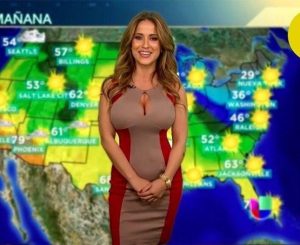
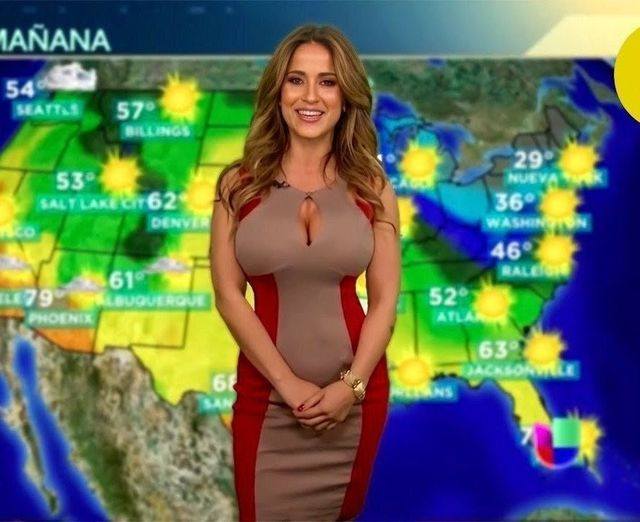
Advances in technology have dramatically changed how weather presenters work. Early broadcasts relied on simple maps and chalkboards. Today’s presenters interact with sophisticated digital systems including:
- Green-screen chroma key technology
- 3D weather visualization tools
- Interactive touch displays
- Real-time satellite animation
- Augmented reality storm tracking
These tools allow audiences to visualize weather patterns rather than simply hear descriptions. Seeing storm movement or temperature changes makes forecasts easier to understand and remember.
However, technology also increases expectations. Presenters must now master both meteorology and advanced broadcasting tools simultaneously.
The Rise of Social Media Weather Communication
Weather presenters no longer communicate only through television. Social media platforms have expanded their role dramatically.
Many presenters now:
- Post rapid forecast updates online
- Respond directly to viewer questions
- Share behind-the-scenes explanations
- Correct misinformation during developing storms
Social media allows faster communication but also increases pressure. Audiences expect immediate updates during changing conditions, meaning presenters often work long hours monitoring weather systems even outside broadcast times.
The digital era has turned weather presenters into 24-hour communicators.
Building Public Trust
Trust is the foundation of successful weather presentation. Forecasts are predictions, not guarantees, and weather can change unexpectedly. When predictions occasionally miss the mark, credibility depends on transparency and consistency.
Trusted presenters:
- Explain uncertainty openly
- Avoid exaggerated claims
- Admit forecasting limitations
- Focus on preparedness rather than drama
Over time, audiences learn that forecasting is probabilistic. A presenter who communicates honestly builds long-term reliability even when conditions shift unexpectedly.
Education and Professional Expertise
Many weather presenters hold degrees in meteorology, atmospheric science, or environmental science. Their training includes mathematics, physics, climatology, and data analysis.
Professional certification programs further ensure presenters understand forecasting science and ethical communication standards.
This academic background distinguishes meteorologists from simple announcers. Their expertise allows them to interpret data independently rather than merely repeating information generated elsewhere.
Cultural and Community Influence
Weather affects nearly every aspect of society — agriculture, transportation, business operations, sports events, and public health. Because of this, weather presenters often become community figures beyond broadcasting.
They may participate in:
- School science programs
- Disaster preparedness campaigns
- Climate awareness initiatives
- Community outreach events
Their visibility gives them a platform to promote scientific literacy and environmental awareness.
Challenges of the Profession
Despite its visibility, weather presenting involves significant challenges:
- Early morning or late-night schedules
- High pressure during emergencies
- Public criticism when forecasts change
- Emotional strain during natural disasters
Presenters often remain on air for extended periods during severe weather, maintaining calm professionalism while communities face real danger.
The role demands resilience, adaptability, and constant learning.
The Future of Weather Presenting
As artificial intelligence and automated forecasting tools advance, some have questioned whether human presenters will remain essential. However, technology cannot easily replace empathy, judgment, or human reassurance.
Forecast models may predict weather patterns, but people still seek interpretation and emotional guidance from trusted communicators.
Future weather presenters will likely combine:
- Advanced scientific analysis
- Multimedia storytelling
- Interactive audience engagement
- Climate education leadership
Their role will continue evolving alongside technology while maintaining its core purpose: helping people understand the world around them.
Conclusion
Weather presenters do far more than announce temperatures or rainfall chances. They bridge the gap between complex atmospheric science and everyday human experience. By combining expertise with personality, they transform data into meaningful guidance that shapes daily decisions and protects communities during dangerous conditions.
In a world increasingly driven by technology and information overload, weather presenters remain uniquely valuable — not just as scientists or broadcasters, but as trusted companions guiding audiences through the ever-changing rhythms of nature.
They stand each day before maps and cameras, translating the language of the sky into something deeply human: understanding, preparation, and reassurance.