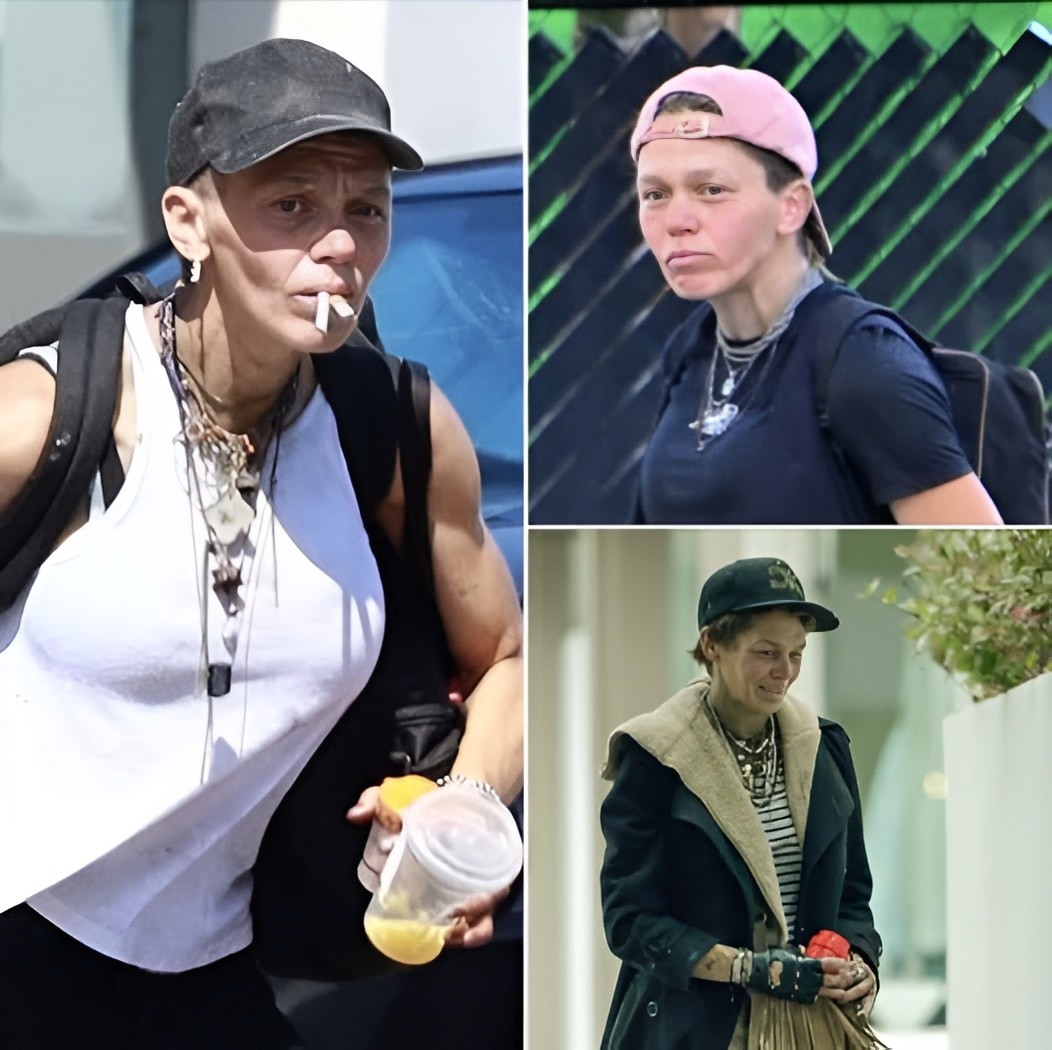
Ex-Model Opens Up About Addiction and Homeless Life: “I’m in a Lot of Pain”
For years, people recognized her face before they ever knew her name. She appeared on magazine covers, walked fashion runways under blinding lights, and lived what many imagined was a dream life filled with glamour, travel, and luxury. Today, however, she sits on a worn park bench wrapped in a borrowed coat, speaking quietly about survival, loss, and a battle few ever saw coming.
“I’m in a lot of pain,” she says, her voice steady but tired. “Not just physically — emotionally. People think homelessness happens overnight. It doesn’t. It happens piece by piece.”
Her story reflects a growing reality that experts say is often misunderstood: success, beauty, and fame do not protect anyone from addiction or mental health struggles.
The Rise to Fame
In her early twenties, the former model — who now prefers not to share her last name publicly — was discovered while working a retail job. Within months, she was signed to a major agency. Fashion campaigns followed quickly. She traveled internationally, earning more money in a year than her family had ever seen.
From the outside, everything looked perfect.
She remembers hotel suites overlooking city skylines, designer clothing sent as gifts, and photographers calling her “the next big thing.” Social media portrayed confidence and excitement, but behind the curated images, pressure was building.
“The industry moves fast,” she explains. “You’re constantly judged — your body, your face, your age, your weight. You start believing your value depends on staying perfect.”
The pressure to maintain that image slowly began to affect her mental health.
The Hidden Struggles
Long work hours, irregular sleep, and constant travel left little room for stability. She began experiencing anxiety and insomnia. At first, she turned to prescribed medication meant to help her rest between assignments.
“It started medically,” she says. “I wasn’t trying to escape anything. I just wanted sleep.”
But over time, dependence grew.
She describes how substances became a way to manage stress, loneliness, and performance expectations. In an environment where parties and late nights were common, unhealthy habits blended into normal life.
“No one noticed because everyone looked like they were coping the same way,” she recalls. “You don’t realize when the line gets crossed.”
When Work Disappeared
The modeling world is notoriously unpredictable. Trends change, agencies move on, and new faces quickly replace old ones.
As bookings slowed, financial pressure began to mount. Without consistent income, maintaining her lifestyle became impossible. Savings disappeared faster than expected, and relationships strained under stress.
Addiction, she admits, made decision-making harder.
“I thought things would bounce back,” she says. “I kept telling myself one more job would fix everything.”
Instead, opportunities faded. Calls stopped coming.
Eventually, she lost her apartment.
Life on the Streets
Homelessness brought a reality she never imagined experiencing.
The woman who once walked luxury runways now searched for safe places to sleep at night. She relied on shelters when space was available and sometimes stayed awake until sunrise because she felt unsafe resting outdoors.
“The hardest part isn’t just being homeless,” she explains. “It’s becoming invisible.”
She describes how people avoided eye contact, assuming she was dangerous or irresponsible. Few recognized the former model behind the worn clothing and exhaustion.
Simple daily tasks — charging a phone, finding clean water, protecting personal belongings — became constant challenges.
“You’re always thinking about survival,” she says. “Where will I sleep? Will I eat? Will I be safe?”
Addiction and Isolation
Experts say addiction and homelessness often reinforce one another. Without stable housing, recovery becomes far more difficult. Without recovery, securing housing becomes harder.
She admits there were moments when hope felt impossible.
“There were days I didn’t think I’d make it,” she says quietly. “You feel ashamed. You feel like you failed everyone.”
Isolation deepened her struggle. Friends from her modeling career drifted away, unsure how to help or uncomfortable confronting her situation.
“The phone stops ringing,” she explains. “Not because people don’t care, but because they don’t understand what to say.”
A Turning Point
Her turning point came during a medical emergency last winter. After collapsing from exhaustion and dehydration, she was taken to a hospital where a social worker connected her with recovery resources.
For the first time in years, she felt someone listened without judgment.
“They didn’t see a homeless addict,” she says. “They saw a person who needed help.”
She entered a rehabilitation program shortly afterward.
Recovery, she emphasizes, is ongoing.
“It’s not a straight line. Some days are strong, some days hurt,” she says. “But I’m trying.”
The Emotional Weight of Recovery
Leaving addiction behind requires confronting emotions long avoided. She speaks openly about grief — grief for lost opportunities, broken relationships, and the version of herself she once believed she had to be.
“I spent years pretending everything was fine,” she says. “Now I’m learning how to feel again.”
Counselors helping individuals in recovery often stress rebuilding identity beyond past careers or mistakes. For her, that means redefining success.
Success now looks like attending counseling sessions, maintaining sobriety, and reconnecting with family members she hadn’t spoken to in years.
Breaking Stereotypes
Her story challenges common assumptions about homelessness. Many people imagine addiction and poverty affecting only certain groups, but research shows economic instability and mental health crises can affect anyone.
“I had money, recognition, opportunities,” she says. “None of that made me immune.”
She hopes sharing her experience encourages compassion rather than judgment.
“You never know someone’s story,” she adds. “One bad year, one illness, one loss — life can change fast.”
Looking Toward the Future
Today, she participates in a transitional housing program while continuing recovery treatment. She volunteers at a community center, helping others who are navigating homelessness for the first time.
Helping others, she says, gives her purpose.
“I can’t change my past,” she reflects, “but maybe I can help someone else feel less alone.”
She dreams of working in advocacy, using her voice to raise awareness about addiction recovery and mental health support. Modeling may no longer define her, but resilience does.
A Message to Others
When asked what she wants people to understand most, she pauses before answering.
“Addiction isn’t a moral failure,” she says. “It’s pain that hasn’t been healed yet.”
Her message is simple but powerful: compassion matters. Early support matters. And recovery is possible, even after losing everything.
“I’m still healing,” she says, looking ahead with cautious hope. “I’m still in pain. But I’m also still here — and that means there’s a chance to rebuild.”
Her story serves as a reminder that behind headlines and appearances are human beings navigating struggles often unseen. Fame may fade, circumstances may change, but dignity and hope remain essential parts of every person’s journey back to stability.