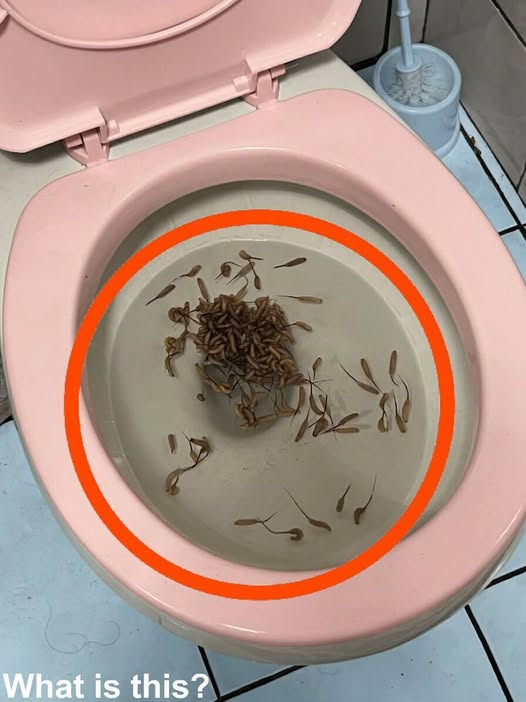
**These things show up in my toilet after it rains. Any idea what they are?**
If you’ve lifted the lid after a heavy downpour and spotted wriggling, creepy-crawly surprises floating or clinging to the porcelain, you’re not alone—and you’re definitely not imagining it. Those mysterious visitors are most commonly **rat-tailed maggots** (larvae of hoverflies, also known as drain flies or sewer flies) or other drain fly larvae. Heavy rain overwhelms sewer systems, creates back pressure, and stirs up stagnant organic matter in pipes, pushing these resilient little survivors upward into your toilet bowl.
### What exactly are they?
Rat-tailed maggots are the larval stage of certain hoverflies (family Syrphidae). They look like small, pale or brownish worms with a distinctive long “tail” — actually a breathing tube (siphon) that works like a snorkel. This tail lets them breathe atmospheric air while their bodies stay submerged in low-oxygen, polluted water. In your toilet, they might appear as 1–2 inch wriggling creatures with that extendable tail, often in small clusters after rain disturbs the sewer lines.
Drain fly larvae (Psychodidae family) are smaller, darker, and more worm-like without the dramatic tail. They thrive in the gelatinous biofilm — that slimy mix of bacteria, grease, hair, and decaying matter — that builds up inside slow-moving or infrequently used drains and sewer pipes.
### Why only after it rains?
Heavy rainfall does several things to your plumbing:
1. **Sewer overload and backflow**: Municipal sewer systems or your septic tank can get inundated with stormwater. When the main lines fill beyond capacity, pressure forces water, air, and anything living in the pipes backward — right up through the path of least resistance, which is often your toilet trap.
2. **Disturbed breeding grounds**: Rain saturates the ground, raises the water table, and flushes out stagnant pockets deep in the pipes. Larvae that were happily munching on organic sludge suddenly get mobilized.
3. **Drying and refilling cycles**: In drier periods, the P-trap (that U-shaped bend under fixtures) might lose its water seal if drains aren’t used often. Rain events can then allow sewer gases and larvae to creep upward more easily.
4. **Cracked pipes or tree roots**: Older homes, especially those with clay or aging sewer lines, develop micro-cracks or root intrusions. Rainwater seeps in, creating perfect moist, nutrient-rich environments for these organisms.
### Are they dangerous?
Generally, no — they won’t bite you or infest your house like bedbugs. Rat-tailed maggots and drain fly larvae are nature’s cleanup crew, breaking down decaying matter in polluted water. They’re harmless if you don’t ingest them (rare cases of intestinal myiasis have been reported but are extremely uncommon). Their presence is mainly a sign that your plumbing has buildup or that the sewer system experienced temporary overload.
That said, seeing them is gross and can indicate broader issues: potential sewer gas leaks (hydrogen sulfide, methane), bacterial growth, or even bigger plumbing problems like clogs or failing septic fields.
### Other possible culprits
– **Small black worms**: Often drain fly larvae without the tail.
– **Earthworms**: Rare but possible in very old systems with cracked pipes during flooding. They crawl in from saturated soil.
– **Centipedes/millipedes or other bugs**: They seek moisture after rain and can enter through floor drains.
– **Sewer gnats/adult drain flies**: You might see the fuzzy moth-like adults hovering around the bowl too.
### How to get rid of them and prevent recurrence
**Immediate action:**
– Flush the toilet vigorously several times.
– Pour boiling water down the drain (carefully) to kill surface larvae.
– Use a drain brush or enzymatic cleaner (like those with bacteria that eat organic sludge) — avoid harsh chemicals if you have a septic system, as they kill beneficial microbes.
**Deep cleaning:**
– Remove and scrub the toilet trap if accessible.
– Treat all bathroom drains with a mixture of baking soda, vinegar, and salt, followed by hot water.
– For persistent issues, have a plumber camera-inspect your sewer line for cracks, roots, or major buildup.
**Prevention:**
– Run water and flush toilets in little-used bathrooms weekly to maintain the water seal.
– Install drain screens or one-way backflow valves if you’re in a flood-prone or old infrastructure area.
– Fix any leaky pipes and consider root barriers if trees are near your sewer line.
– Maintain your septic system with regular pumping if applicable.
Living with this phenomenon is a reminder of how connected our homes are to the underground world of pipes and decomposition. What looks like horror-movie props in your toilet is actually a fascinating (if unsettling) ecosystem reacting to weather. Rain reveals the hidden biology thriving just out of sight.
Homeowners in older cities or areas with combined stormwater/sewage systems report this most often. In places like Costa Rica or parts of the U.S. with heavy tropical rains, it’s especially common.
If the visitors keep returning strongly after every storm, don’t ignore it. Call a plumber for a sewer scope — it could save you from a much more expensive backup or collapse later. In the meantime, keep a bottle of enzymatic drain cleaner handy and maybe invest in a toilet nightlight so the next discovery isn’t quite so startling at 3 AM.
These uninvited guests are doing what they evolved to do: survive in nasty water. Your toilet after rain is just giving them a temporary stage. Understand the science, clean thoroughly, and maintain your lines — and you’ll send them back to the depths where they belong.
(Word count: 1012)
If you can describe the “things” (color, size, shape, tail?, moving?, number of them, location in the U.S. or elsewhere), I can refine this even more accurately. Photos would help too, but the above covers the most common scenarios. Stay dry out there!