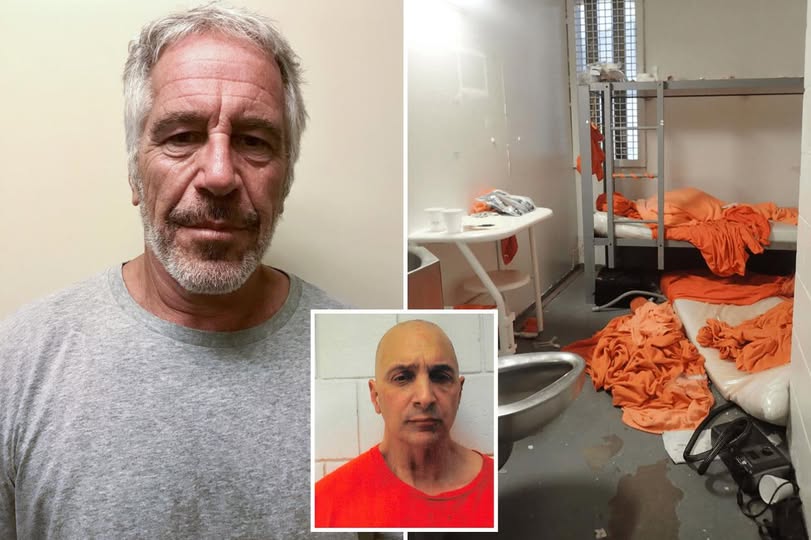
Jeffrey Epstein and the Reports of Multiple Suicide Attempts in Jail
The death of financier Jeffrey Epstein in August 2019 remains one of the most discussed and controversial cases in recent history. Epstein, who was awaiting trial on federal sex-trafficking charges, was found dead in his cell at the Metropolitan Correctional Center in New York. His death was officially ruled a suicide by hanging, but the circumstances surrounding it have fueled years of speculation, investigations, and media scrutiny.
In the years since his death, numerous reports have emerged claiming that Epstein showed signs of suicidal behavior before his final days. Among the most attention-grabbing allegations are claims that he attempted suicide multiple times and that correctional officers discovered multiple makeshift nooses or ligatures in his cell prior to his death.
According to various investigations and media reports, Epstein was initially placed under suicide watch after an incident in July 2019 in which he was found injured in his cell. The exact circumstances of that incident became the subject of intense debate. Some reports suggested it may have been a suicide attempt, while others raised the possibility that another inmate could have been involved.
Following the incident, prison officials placed Epstein under close observation. Suicide watch is one of the strictest forms of inmate monitoring in the federal correctional system. Prisoners on suicide watch are typically housed in specially designed cells, closely monitored by staff, and denied access to items that could potentially be used for self-harm.
However, Epstein was eventually removed from suicide watch and transferred to a special housing unit. Critics later questioned whether this decision was appropriate, given the high-profile nature of the case and concerns about his mental state.
Subsequent reports indicated that prison staff found evidence suggesting continued suicidal ideation. Among the most widely discussed claims were allegations that correctional personnel discovered makeshift nooses or strips of material that could potentially be used for self-harm. These findings reportedly contributed to concerns among some prison employees regarding Epstein’s well-being.
The existence of such reports has led many observers to argue that warning signs may have been present before his death. Critics have questioned whether sufficient precautions were taken to protect a detainee who was facing severe criminal charges, enormous public scrutiny, and the possibility of spending the rest of his life in prison if convicted.
The federal investigations that followed Epstein’s death revealed numerous problems within the jail. Inspectors identified staffing shortages, procedural failures, and lapses in monitoring. Among the most significant findings were allegations that guards failed to conduct required inmate checks and that some records had been falsified.
These revelations intensified public concern and contributed to widespread skepticism regarding how such a high-profile prisoner could have died while in federal custody.
The case became even more controversial because Epstein possessed information about numerous wealthy, influential, and powerful individuals. His social connections included business leaders, politicians, celebrities, and other prominent figures. As a result, his death immediately generated intense public interest and numerous conspiracy theories.
Many people argued that the combination of security failures, prior incidents, and Epstein’s connections created an environment ripe for speculation. Although official investigations found no evidence supporting claims of homicide, public debate has continued for years.
Prison experts note that inmate suicide remains a serious challenge throughout correctional systems worldwide. Individuals entering custody often experience intense stress, uncertainty, shame, fear, and anxiety. Those facing lengthy prison sentences or highly publicized criminal charges may be particularly vulnerable.
For this reason, correctional facilities maintain extensive procedures designed to identify inmates at risk of self-harm. These measures include psychological evaluations, observation protocols, suicide-watch programs, and regular welfare checks.
Nevertheless, experts acknowledge that predicting and preventing suicide is not always straightforward. Some individuals who appear stable may still engage in self-harm, while others who display warning signs may never attempt suicide. This complexity makes risk assessment one of the most difficult responsibilities facing prison officials.
In Epstein’s case, investigators later concluded that a series of institutional failures contributed to an environment in which a suicide could occur. Reports described staffing problems, overworked employees, and failures to follow established procedures.
The allegations regarding multiple nooses or repeated suicide attempts have become part of the broader narrative surrounding the case. Supporters of the official findings argue that such reports strengthen the conclusion that Epstein posed a substantial suicide risk. Critics, meanwhile, continue to question whether all relevant facts have been fully explained.
Years later, the death of Jeffrey Epstein continues to attract attention because it sits at the intersection of crime, wealth, power, and institutional accountability. The questions raised by the case extend beyond the fate of one individual. They touch on larger issues involving prison management, inmate safety, government oversight, and public trust.
Regardless of one’s views on the circumstances surrounding Epstein’s death, the investigations that followed exposed significant shortcomings within the correctional facility responsible for his custody. Those findings prompted reforms, disciplinary actions, and renewed discussions about how high-risk inmates should be monitored.
Ultimately, the story remains one of the most scrutinized jail deaths in modern American history. Reports of previous suicide attempts, alleged discoveries of makeshift nooses, and documented failures within the prison system have ensured that the case remains the subject of continuing public interest, media coverage, and debate. While many questions have been examined through official investigations, the circumstances surrounding Epstein’s final weeks continue to be discussed years after his death, making it one of the most enduring and controversial stories of the past decade.