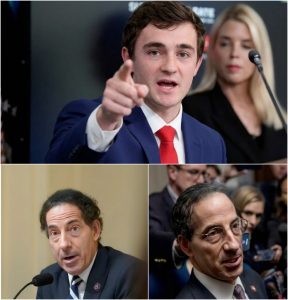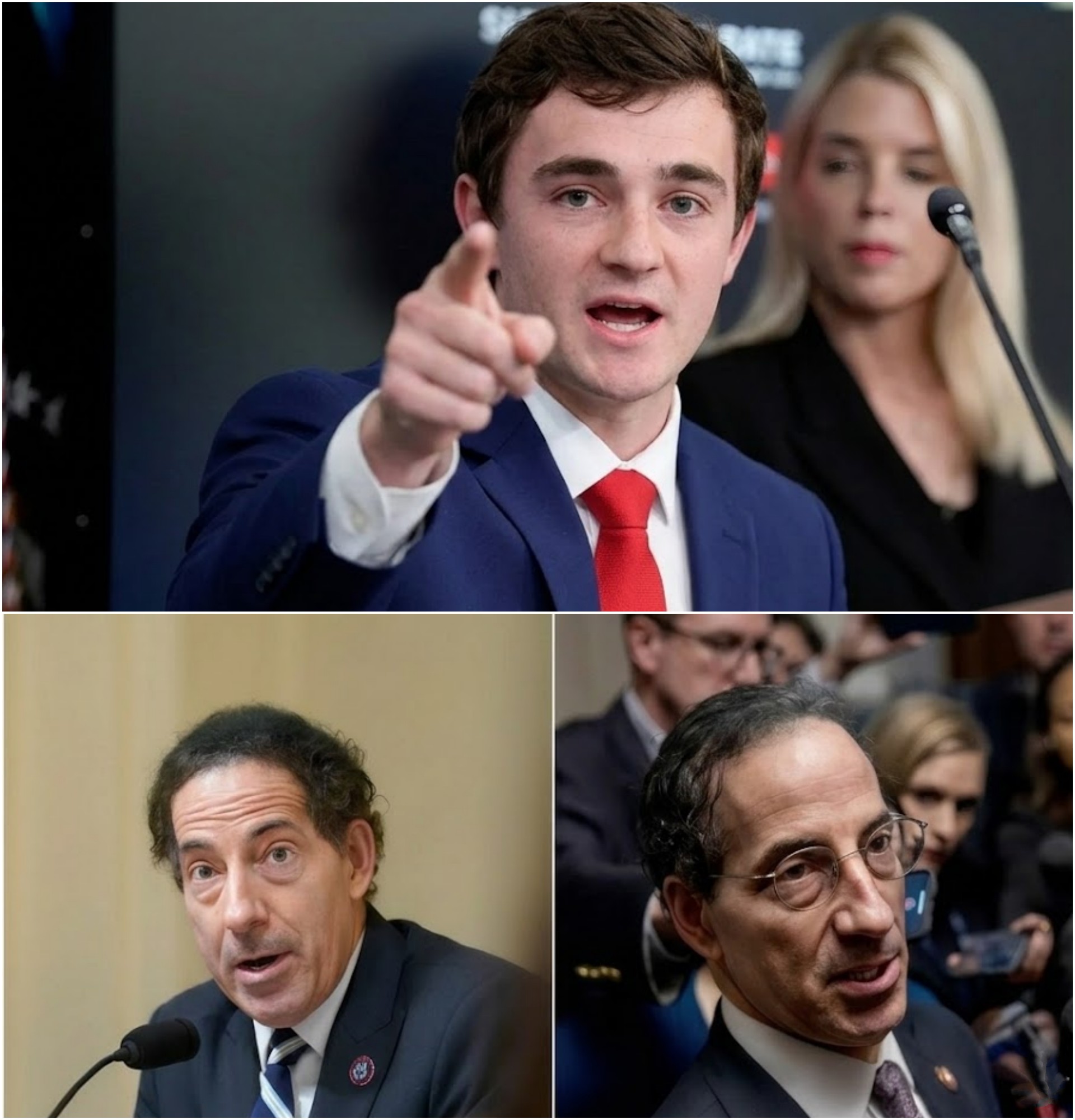
The headline exploded across social media feeds in bold, capital letters: “UNMISSABLE! YouTuber Nick Shirley Demands Raskin Explain $30 Million!” Within hours, clips, reaction videos, and heated comment threads had multiplied across platforms, drawing attention to an escalating public confrontation between independent content creator Nick Shirley and Congressman Jamie Raskin.
At the center of the controversy is a claim that $30 million in federal funds tied to a legislative initiative requires further explanation — a claim Shirley has insisted demands direct accountability from Raskin.
The Rise of Independent Scrutiny
Nick Shirley, a YouTube-based investigative commentator known for on-the-street interviews and pointed political questioning, has built a sizable audience by challenging elected officials in unscripted encounters. His approach blends grassroots journalism with viral-style editing, often amplifying moments of tension into shareable clips that travel far beyond traditional media coverage.
In his latest video, Shirley alleges that $30 million allocated within a broader legislative package connected to committees Raskin serves on warrants “clear, plain-English answers.” The video features Shirley addressing viewers directly:
“Taxpayers deserve to know where every dollar goes,” he says in the clip. “Thirty million isn’t pocket change. It’s real money — your money.”
The video does not claim personal wrongdoing but suggests insufficient transparency surrounding how funds were structured, allocated, or overseen.
What Is the $30 Million?
According to public budget documents, the funding in question appears to be part of a larger federal spending measure. As is often the case with federal appropriations, money is distributed through agencies, subcommittees, and layered oversight structures. Critics sometimes argue that such complexity can obscure clarity for ordinary citizens.
Raskin, who has served on key oversight and constitutional committees, has been vocal about transparency in government. Supporters argue that any spending tied to legislation he backed would have gone through established procedural review and bipartisan negotiation.
At the time of Shirley’s video release, no formal investigation had been announced, nor had any official ethics complaint been filed regarding the specific $30 million claim.
The Public Response
The reaction has split along familiar political lines.
Supporters of Shirley praise what they describe as “citizen journalism.” They argue that independent creators play an important role in holding public officials accountable, especially in an era when trust in traditional media institutions remains uneven.
“This is what the First Amendment looks like,” one commenter wrote beneath the video. “Regular people asking powerful politicians tough questions.”
Others caution against drawing conclusions from viral clips without context.
“Federal budgets are massive,” said one political analyst. “Isolating a single figure without examining the legislative framework can create confusion. Transparency is good — but so is accuracy.”
Raskin’s office has not issued a direct response to Shirley’s video, though staffers have pointed reporters toward publicly available appropriations records and legislative summaries.
Jamie Raskin’s Profile
Jamie Raskin is widely known for his background in constitutional law and his role in high-profile congressional proceedings in recent years. He has built a reputation as a forceful debater and defender of democratic institutions.
Throughout his career, Raskin has emphasized government accountability, civil liberties, and ethics reform. That public record makes Shirley’s demand for explanation particularly resonant among audiences skeptical of Washington spending practices.
Critics of Shirley argue that confronting elected officials outside formal oversight channels risks turning serious fiscal debates into performative spectacles. Supporters counter that public pressure often compels clearer communication.
The Power of Viral Accountability
The episode highlights a broader transformation in political oversight. In previous decades, investigative scrutiny largely flowed through newspapers and broadcast networks. Today, independent creators armed with smartphones and editing software can ignite national conversations in hours.
This democratization of media has advantages and risks. It allows previously underreported issues to surface quickly. It also increases the possibility that incomplete information spreads before verification catches up.
Shirley’s demand that Raskin “explain $30 million” taps into a powerful public sentiment: concern over government spending. Federal budgets routinely reach trillions of dollars, yet specific line items can spark intense debate when isolated and framed for mass audiences.
What Accountability Looks Like
Experts note that genuine accountability typically unfolds through established mechanisms:
- Congressional oversight hearings
- Inspector General audits
- Ethics committee reviews
- Public budget disclosures
If the funding in question involved misuse or irregularities, those systems would be expected to trigger investigation.
As of now, there has been no public confirmation of wrongdoing tied to Raskin or the cited allocation.
The Broader Implications
Beyond the personalities involved, the incident underscores an ongoing cultural shift. Americans increasingly demand immediate answers and real-time transparency. Elected officials, accustomed to structured press briefings and formal inquiries, now face spontaneous questions from independent journalists operating outside traditional norms.
Whether this dynamic strengthens democratic accountability or fuels partisan outrage depends largely on how responsibly information is presented — and how carefully audiences evaluate claims.
Shirley has urged Raskin to respond directly, suggesting a public interview or recorded exchange. Such a move could either clarify the funding structure or intensify scrutiny, depending on the substance discussed.
A Call for Clarity
Ultimately, transparency is a bipartisan value. If taxpayers have questions about a $30 million allocation, clear documentation and explanation can resolve confusion.
At the same time, serious allegations require careful framing. Accusations without verified evidence can damage reputations and erode public trust.
As the video continues to circulate, observers are watching for a formal statement from Raskin’s office or additional documentation that clarifies the issue. Until then, the controversy remains largely a battle of narratives — one emphasizing suspicion, the other pointing to procedural normalcy.
What is certain is that independent digital voices now play a powerful role in shaping political discourse. Whether confronting senators on sidewalks or dissecting budget spreadsheets online, creators like Nick Shirley are redefining how accountability conversations begin.
How they end — with verified facts or viral speculation — depends on what evidence ultimately emerges.
For now, the “microscope” remains focused, and the public awaits clarity.