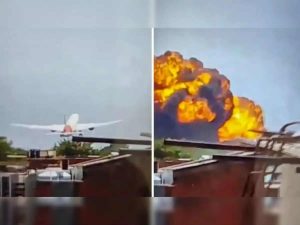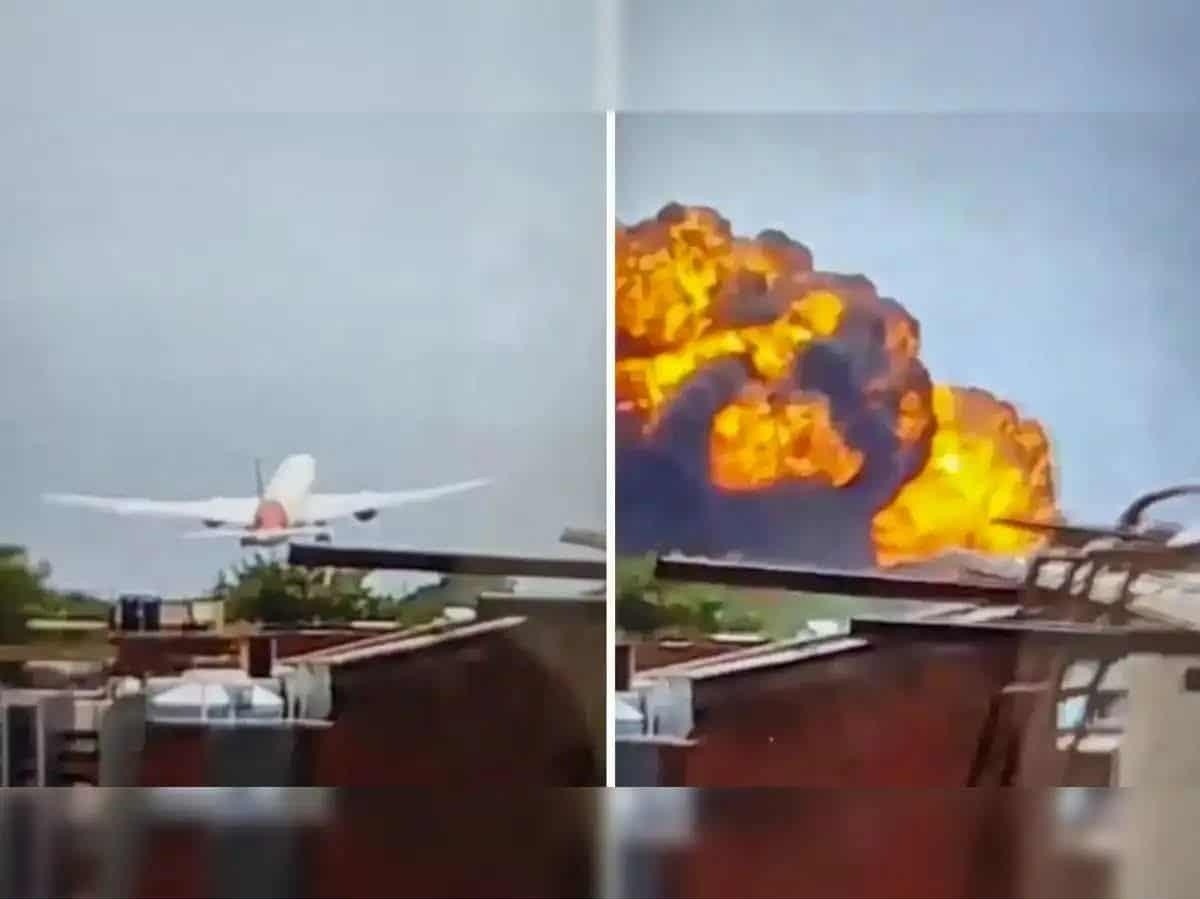
“RIGHT NOW, PLANE WITH MORE THAN 244 ONBOARD JUST CRASH…” — headlines like this are built to shock, spread fast, and pull you in before you have time to question them. When something this serious appears suddenly and without detail, the first step is not panic—it’s verification.
At this moment, there is no confirmed, widely reported aviation disaster involving a plane with over 244 people onboard. Incidents of that scale are extremely rare, and when they do happen, they are immediately reported by multiple major news organizations, aviation authorities, and government agencies. You would see consistent, detailed coverage across television, official statements, and verified sources—not a vague, incomplete message ending in “see more.”
That doesn’t mean aviation incidents never occur. But the difference between a real emergency and a viral rumor is clarity. Real events quickly come with specifics: airline name, flight number, departure and destination cities, aircraft type, and official confirmation from authorities. Viral posts, on the other hand, tend to rely on urgency and mystery—“just crashed,” “more than 244 onboard,” “details emerging”—without providing verifiable facts.
In today’s digital environment, misinformation spreads quickly, especially when it involves fear. Aviation disasters are particularly powerful triggers because they combine human tragedy with uncertainty. A single post can be reshared thousands of times within minutes, often without anyone confirming whether it’s true. In some cases, old incidents are recycled and presented as breaking news. In others, the story is entirely fabricated to generate clicks and engagement.
There’s also a psychological element at play. When people see “RIGHT NOW” or “URGENT,” the brain shifts into alert mode. It feels immediate and personal, even if the event is unverified or happening far away. That sense of urgency can override critical thinking, making people more likely to share before checking. Unfortunately, that’s exactly how false information spreads.
To understand how real aviation incidents are handled, it helps to look at the systems in place. Aviation is one of the most heavily monitored industries in the world. Air traffic control systems track flights in real time. Airlines maintain constant communication with their aircraft. International organizations coordinate safety standards across countries. If a large commercial aircraft were to crash, it would trigger immediate responses from multiple agencies, including search and rescue teams, aviation regulators, and government officials.
Within minutes, initial reports would begin to appear. Within an hour, major outlets would confirm the basic facts. Within a few hours, more detailed information—such as passenger numbers, flight path, and possible causes—would start to emerge. Even in remote areas, satellite tracking and emergency signals provide early indicators of trouble. In other words, an event of that magnitude cannot remain vague for long.
It’s also important to recognize how rare major commercial aviation disasters actually are. Despite the size of the industry—millions of flights each year—serious accidents are extremely uncommon. Advances in aircraft technology, pilot training, and safety protocols have made flying one of the safest forms of transportation. When incidents do occur, they are thoroughly investigated to prevent future occurrences.
Still, the emotional impact of even a rumor can be strong. People may worry about loved ones who are traveling, or feel a general sense of fear about flying. That’s a natural reaction. But reacting to unverified information can amplify anxiety unnecessarily. The best approach is to pause, check reliable sources, and wait for confirmation before drawing conclusions.
If you ever see a post like this again, there are a few simple ways to assess it:
First, look for specifics. Does it name the airline, flight number, or location? If not, that’s a red flag.
Second, check whether multiple reputable outlets are reporting the same thing. A real event will not be limited to a single viral post.
Third, consider the language. Phrases like “see more,” “you won’t believe,” or “right now” without details are commonly used in misleading content.
Finally, give it a little time. Real information becomes clearer quickly. False information tends to stay vague or change as it spreads.
At this moment, there is no verified report confirming a crash involving a plane with more than 244 people onboard. That strongly suggests the message you saw is either misleading or entirely false.
In a world where information moves instantly, the ability to pause and verify has become more important than ever. Not every urgent message reflects reality—but every reaction to it has real consequences.