BREAKING: Iranian Parliament Approves Closure of the Strait — Global Markets and Governments React
In a dramatic development that immediately sent shockwaves across international politics and global energy markets, lawmakers in the Iranian Parliament have approved a motion supporting the potential closure of the Strait of Hormuz, one of the most strategically important shipping routes in the world.
The announcement came after an emergency parliamentary session held amid escalating regional tensions and mounting geopolitical pressure. While the measure does not automatically shut down the waterway, analysts say it signals a serious escalation that could reshape global trade, diplomacy, and security calculations overnight.
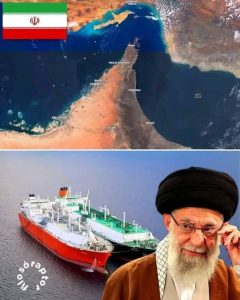
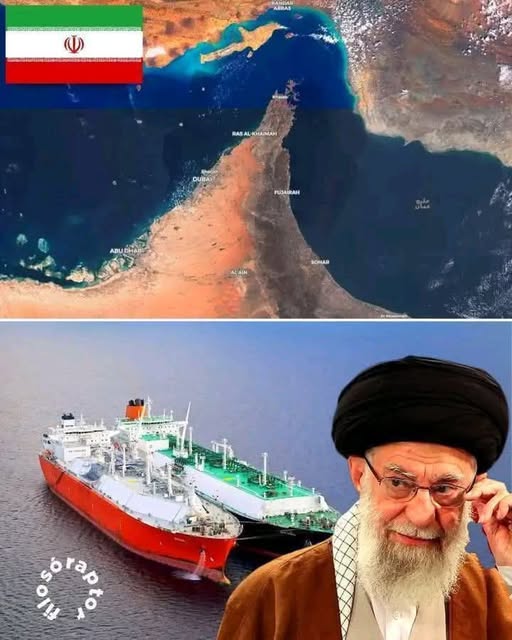
Why the Strait of Hormuz Matters
The Strait of Hormuz is a narrow maritime corridor connecting the Persian Gulf to the Gulf of Oman and the Arabian Sea. Despite being only about 21 miles wide at its narrowest point, it carries enormous global importance.
Nearly one-fifth of the world’s oil supply passes through this passage daily. Tankers transporting crude oil and liquefied natural gas from major energy producers—including Saudi Arabia, Iraq, Kuwait, and the United Arab Emirates—depend on uninterrupted access to this route.
Any disruption, even temporary, has immediate consequences.
Energy analysts describe the strait as the “chokepoint of the global economy.”
Within minutes of reports emerging from Tehran, oil prices surged in international markets as traders anticipated potential supply interruptions. Shipping companies began reassessing routes, while insurance costs for vessels operating in the region rose sharply.
The Political Context Behind the Decision
Iranian officials stated that the parliamentary vote reflects national security concerns following rising tensions with Western powers and recent military developments in the region.
Although executive authorities ultimately control military enforcement decisions, parliamentary approval sends a powerful political message: Iran is willing to consider drastic measures if it perceives threats to its sovereignty or economic stability.
Government-aligned lawmakers argued that control over maritime access is a legitimate defensive tool.
Critics inside Iran, however, warned that such action could isolate the country economically and provoke international confrontation.
The vote highlights growing frustration within Iran’s leadership over sanctions, regional rivalries, and military posturing near its borders.
International Reaction
The response from global leaders was immediate.
Officials in the United States emphasized the importance of keeping international waterways open, describing freedom of navigation as a core principle of global security. The United States Navy, which maintains a significant presence in nearby waters, reiterated its commitment to ensuring safe maritime transit.
European governments called for restraint, urging diplomatic engagement rather than escalation. Meanwhile, Asian economies heavily dependent on Gulf oil imports expressed deep concern about potential energy shortages.
The United Nations released a statement encouraging dialogue and warning that disruption of global trade routes could trigger widespread economic instability.
Economic Shockwaves Begin
Financial markets reacted before any physical action occurred.
Oil futures spiked dramatically as investors priced in risk. Airlines, shipping companies, and manufacturing sectors closely tied to fuel prices saw immediate volatility. Economists warned that prolonged disruption could lead to:
- Rising gasoline prices worldwide
- Increased shipping costs
- Supply chain delays
- Inflationary pressure across multiple industries
Countries already dealing with fragile economic recovery fears now face another potential global shock.
Energy experts stress that even rumors surrounding the Strait of Hormuz can affect markets because uncertainty alone influences supply expectations.
Military Implications
Closing the strait would not be a simple task.
The waterway remains heavily monitored by international naval forces. Any attempt to restrict passage could lead to confrontations involving multiple countries.
Security analysts note that previous tensions in the region have included:
- Naval escorts for commercial tankers
- Drone surveillance operations
- Maritime warnings and seizures
- Increased patrol activity
Military planners worldwide are now assessing contingency scenarios, including alternative shipping routes and emergency energy reserves.
Despite heightened rhetoric, experts caution that parliamentary approval does not guarantee immediate action.
Instead, it may serve as strategic leverage in ongoing geopolitical negotiations.
Regional Concerns
Neighboring Gulf states reacted cautiously but urgently.
Many rely on the strait not only for exports but also for economic stability. A shutdown would affect allies and adversaries alike, potentially disrupting regional cooperation and trade agreements.
Energy ministers across the Middle East reportedly began emergency consultations to evaluate backup export strategies, including pipelines that bypass the strait—though these alternatives cannot fully replace maritime capacity.
For smaller economies dependent on oil revenue, prolonged disruption could threaten national budgets.
Diplomatic Efforts Intensify
Behind the scenes, diplomats from several countries are working to prevent escalation.
Historically, crises involving the Strait of Hormuz have often been resolved through negotiation rather than confrontation. Analysts believe back-channel communications are already underway involving regional powers, European mediators, and global organizations seeking to de-escalate tensions.
Experts emphasize that rhetoric during geopolitical crises often exceeds actual action.
Still, the symbolism of parliamentary approval carries weight.
It signals readiness—and raises stakes.
Public Reaction Around the World
As headlines spread, public concern grew rapidly.
Social media filled with discussions about fuel prices, potential conflict, and economic uncertainty. Travelers questioned airline ticket costs, while businesses dependent on global shipping began evaluating contingency plans.
Energy analysts appeared across news networks explaining the potential impact, reminding viewers that modern economies are deeply interconnected.
What happens in one narrow stretch of water can affect daily life thousands of miles away.
What Happens Next?
Several scenarios remain possible:
- Diplomatic Resolution – Negotiations reduce tensions and no closure occurs.
- Symbolic Enforcement – Increased inspections or warnings without full shutdown.
- Partial Disruption – Limited interference causing temporary market instability.
- Full Closure Attempt – A high-risk move likely to trigger international response.
Most experts believe a complete closure remains unlikely due to the enormous economic and military consequences for all parties involved—including Iran itself.
However, uncertainty alone is enough to keep global markets on edge.
A Moment of Global Uncertainty
The parliamentary decision represents more than a regional political statement—it highlights how fragile global stability can be when strategic waterways become geopolitical bargaining tools.
From energy prices to international diplomacy, the ripple effects are already being felt worldwide.
As governments monitor developments hour by hour, one reality remains clear:
The Strait of Hormuz is not just a shipping lane.
It is a pressure point where economics, security, and politics converge—and the decisions made in the coming days may shape international relations for years to come.