Men Prefer Short Women Because These Have… More Than Meets the Eye
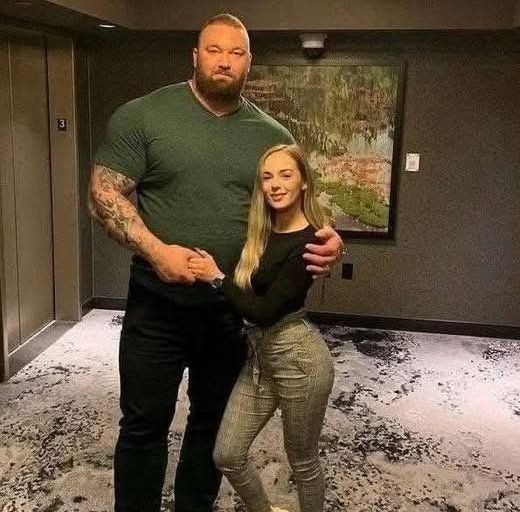
At some point, almost everyone has heard the claim: “Men prefer short women.” It’s a statement repeated in conversations, social media posts, and pop culture discussions. But like most ideas about attraction, the truth is far more complex—and far more interesting—than a simple preference based on height.
Attraction is influenced by psychology, culture, personality, and emotional connection. Height may play a role, but it rarely tells the full story. When people say men often prefer shorter women, they are usually pointing to deeper emotional and social dynamics rather than physical measurements alone.
The Psychology of Perception
Human attraction is strongly shaped by perception. Throughout history, certain physical traits became associated with specific emotional impressions. Shorter stature is sometimes linked with ideas such as approachability, warmth, and softness. These associations don’t come from biology alone—they develop through cultural storytelling, media portrayals, and shared social experiences.
Many men report feeling more comfortable initiating conversation with someone they perceive as less intimidating. Height can unconsciously influence that perception. A shorter partner may seem easier to approach, encouraging interaction and emotional openness from the very beginning.
However, it’s important to understand that these impressions are subjective, not universal truths.
The Comfort Factor
One explanation often mentioned is physical comfort. Couples naturally seek compatibility in everyday interactions—hugging, walking together, sitting closely, or dancing. Some men feel that a height difference creates a sense of closeness or protection, which can feel emotionally satisfying.
Psychologists sometimes refer to this as the “complementary dynamic.” Partners don’t necessarily look for someone identical to themselves; instead, they seek balance. For certain individuals, a shorter partner fits their personal idea of harmony within a relationship.
But preference varies widely. Many couples thrive regardless of height difference, showing that emotional compatibility matters far more than physical proportions.
Cultural Influence
Media plays a significant role in shaping attraction standards. Movies, advertisements, and romantic stories often depict taller men paired with shorter women. Over time, repeated exposure can subtly influence expectations about what relationships “should” look like.
When people grow up seeing similar patterns repeatedly, those images can become internalized as normal or desirable—even if they aren’t consciously aware of the influence.
Cultural norms also differ worldwide. In some societies, height differences carry little importance, while in others they are emphasized more strongly. This variation proves that attraction is not fixed by biology alone.
Emotional Dynamics
Another reason sometimes discussed involves emotional energy rather than physical appearance. Shorter individuals are often stereotyped as lively, playful, or energetic. Whether accurate or not, these perceptions can shape attraction.
Some men associate smaller stature with nurturing qualities or emotional warmth. Others simply enjoy the feeling of being physically larger or protective. These reactions are tied more to personal psychology than to objective characteristics.
It’s crucial to remember that stereotypes never define individuals. Personality traits cannot be predicted by height, and genuine relationships grow from shared values, communication, and respect.
Confidence Matters More Than Height
Interestingly, research and real-life experience consistently show that confidence outweighs physical traits. A confident person—regardless of height—often appears more attractive because confidence signals emotional stability and self-acceptance.
Many men who claim to prefer shorter women later discover that what truly attracted them was confidence, humor, kindness, or emotional intelligence. Height simply became an easy explanation for deeper feelings.
Similarly, countless relationships exist where women are taller than their partners, proving that attraction adapts to individual connection rather than rigid rules.
The Role of Biology
Some evolutionary psychologists suggest that height preferences may relate loosely to traditional roles associated with protection and security. Taller stature historically symbolized strength, while smaller stature symbolized vulnerability or care.
Yet modern relationships no longer depend on survival roles. Emotional partnership, shared goals, and mutual support now play far greater roles in attraction than physical characteristics alone.
Biology may influence initial impressions, but personal experience ultimately shapes lasting love.
Breaking the Myth
The idea that “men prefer short women” can unintentionally create pressure or insecurity for people who don’t fit that description. In reality, attraction is incredibly diverse.
Some men prefer tall partners.
Some prefer similar height.
Others don’t consider height at all.
What people consistently value in long-term relationships includes:
- Emotional understanding
- Humor and shared interests
- Trust and honesty
- Mutual respect
- Genuine kindness
These qualities sustain relationships far longer than physical preferences ever could.
Why Differences Can Feel Special
Height differences sometimes attract attention simply because they create visual contrast. Humans naturally notice differences—they add uniqueness to a relationship. That uniqueness can make a couple feel distinct or memorable, strengthening emotional bonds through shared identity.
But uniqueness exists in countless forms: personality contrasts, cultural backgrounds, hobbies, or perspectives. Height is only one small piece of a much larger puzzle.
Attraction Is Personal
Perhaps the most important truth is that attraction is deeply individual. Every person carries unique experiences, memories, and emotional needs that shape who they find appealing.
One man may feel drawn to a shorter woman because she reminds him of warmth and comfort. Another may admire a tall woman’s confidence and presence. Both experiences are valid because attraction isn’t governed by universal rules.
Real relationships thrive when people look beyond stereotypes and appreciate each other as individuals rather than categories.
The Bigger Picture
When discussions about attraction focus too heavily on physical traits, they risk overlooking what truly makes relationships meaningful. Height may spark curiosity or initial interest, but lasting connection grows from empathy, communication, and emotional compatibility.
Love isn’t measured in inches or centimeters. It’s measured in understanding, patience, laughter, and shared growth.
So when people say men prefer short women, the statement reflects perception more than reality. What many men—and people in general—actually prefer is someone who makes them feel understood, valued, and happy.
And those qualities have nothing to do with height.
In the end, attraction isn’t about being tall or short. It’s about being authentic enough for someone to see you clearly—and choosing each other anyway.