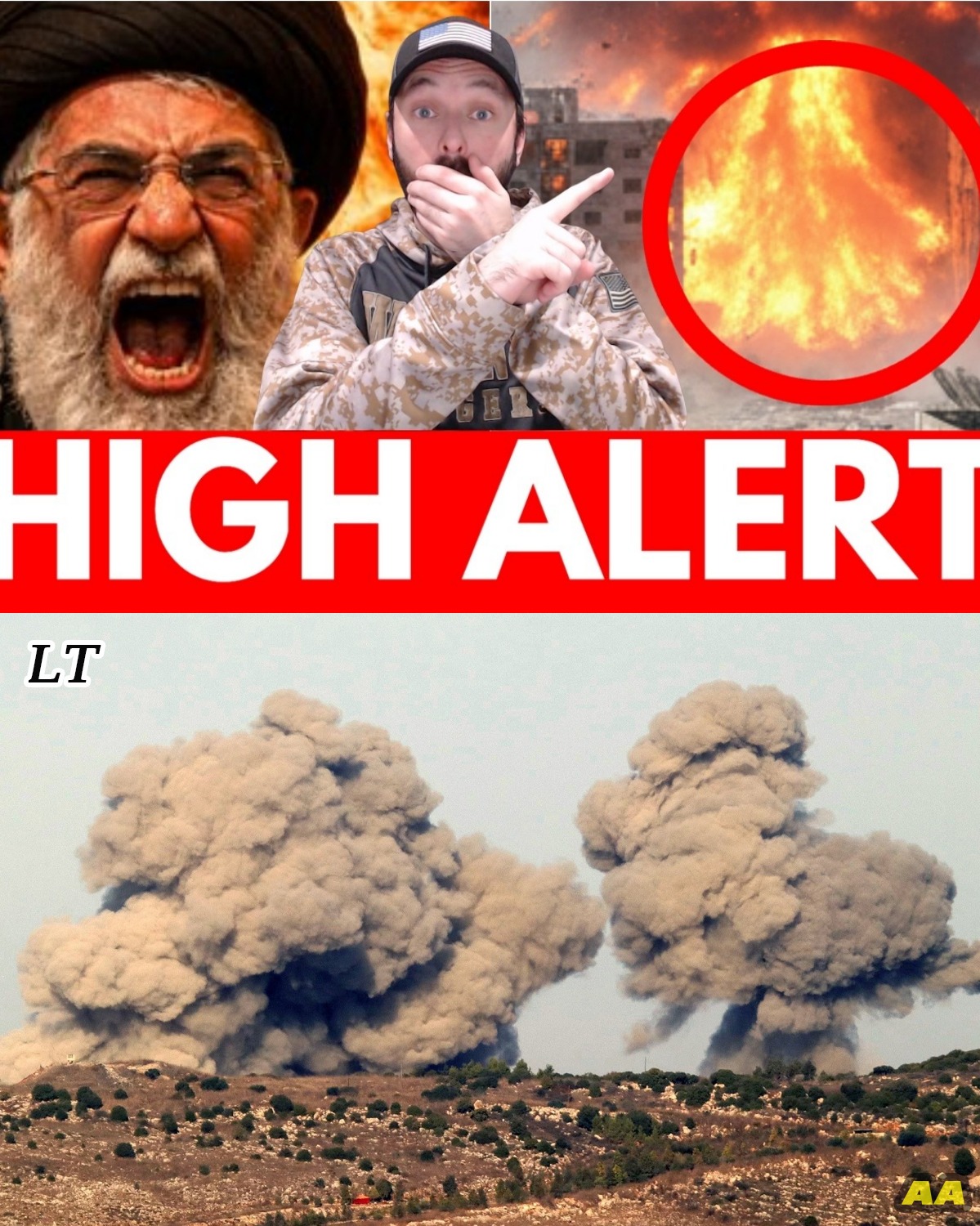
IRAN ROCKED BY MYSTERY BLASTS — Military Warehouse Hit as U.S. Warships Surge? What’s Really Happening
Over the past few weeks, Iran has seen a series of explosions and mystery blasts that have captured international attention — especially amid growing tensions with the United States Department of Defense and a U.S. naval buildup in the region. Social media is awash with speculation about covert strikes, sabotage, and even possible links to U.S. warships. But before jumping to conclusions, the facts — as verified by multiple news organizations — show a more nuanced, complex picture.
Recent Explosions and Where They Occurred
One of the most widely reported incidents in late January 2026 involved a powerful explosion in the southern port city of Bandar Abbas — a crucial commercial and strategic hub on the Strait of Hormuz. According to reports, the blast tore through an apartment building, killing a child and injuring more than a dozen people. Caught on local media, footage showed emergency crews carrying away injured civilians and at least one uniformed security force member. Officials initially blamed the explosion on a gas leak, but details remained limited as investigations continued.
While this blast affected a civilian structure, it heightened public anxiety because it occurred just as Iran was preparing naval exercises in the Strait of Hormuz — a sensitive maritime chokepoint through which about a fifth of the world’s oil passes. The United States Central Command had warned Tehran not to threaten U.S. warships or commercial traffic during the drills.
Mystery and Mixed Reports: Military Sites and Speculation
Alongside the Bandar Abbas blast, other reports — some from local outlets and unverified social media sources — circulated claims of explosions near military sites or storage facilities. These included speculation about warehouse explosions linked to ammunition or military materials, but official confirmation is scarce.
An article from a regional news outlet noted that Iran’s elite military arm, the Islamic Revolutionary Guard Corps (IRGC), publicly rejected claims that one blast was associated with the assassination of a commander or a targeted strike. Their statement emphasized that the cause of the explosion was still “under investigation,” and downplayed rumors of external interference amid the tensions.
It’s important to understand that while mystery explosions grab headlines, not all such incidents are confirmed attacks on military infrastructure. Iran has experienced industrial and accidental explosions in the past, including a massive blast at its biggest commercial port in 2025 that killed dozens and injured hundreds — officially attributed to stored chemicals catching fire.
Context: Escalating Tensions with the U.S.
The backdrop to these incidents is a broader period of diplomatic strain and military posturing between Iran and the United States.
In late January 2026, the U.S. United States Navy and allied forces deployed additional naval assets to the Middle East amid warnings about potential risks to maritime security. The USS Abraham Lincoln Carrier Strike Group and other warships were reported to be in the region, a move Tehran labeled as provocative. Iran’s leadership reiterated warnings that any conflict could quickly escalate into a wider regional war if miscalculation occurred.
That positioning raised fears among analysts and observers that any unexplained explosion — even one that later proves to be accidental — could be interpreted as a deliberate strike or precursor to wider hostilities.
Why the Rumors Spread So Fast
Two factors help explain why questions about U.S. involvement emerged so quickly:
-
High strategic stakes: The Strait of Hormuz is one of the world’s most vital shipping lanes, and any disturbance there can disrupt global energy markets and trigger political alarm.
-
Historical precedent: Iran has previously been involved in actual military confrontations involving the U.S. For example, in 2025, Iranian forces fired missiles at U.S. bases in Qatar and Iraq after American strikes on Iranian nuclear sites — a rare direct military confrontation with American forces.
Given this history, unexplained blasts naturally attract speculation — but speculation isn’t confirmation.
Official Statements and Investigation Status
So far, Iranian authorities and state media have not confirmed that recent blasts were caused by external strikes. In the Bandar Abbas case, local officials initially described the blast as possibly related to a gas leak, and emergency responders focused on rescue efforts. No official foreign attack claim has been made by Iran in these latest events.
Similarly, despite circulating rumors linking the blasts to missile strikes, sabotage, or covert operations by foreign intelligence or military forces, there is no verified statement from either Iranian or U.S. officials directly attributing the incidents to a conflict escalation.
The Risk of Misinterpretation
In tense geopolitical environments, it’s common for isolated incidents — industrial accidents, infrastructure failures, or unrelated explosions — to become fodder for worst-case interpretations. This can happen particularly quickly when social media amplifies unverified claims of “mystery blasts hitting military warehouses” or “U.S. warships surging.”
Such interpretations can unintentionally raise international anxiety and make peaceful de-escalation more difficult. Government spokespeople often urge caution and emphasize ongoing investigations precisely because premature conclusions can spiral out of control.
What Experts Are Watching
Given the combination of:
-
unexplained blasts in strategic areas,
-
heavy naval deployments,
-
historical military actions,
-
and sharply increased rhetoric from both Tehran and Washington, experts are emphasizing close monitoring of:
-
intelligence updates,
-
official governmental communications,
-
regional security developments, and
-
independent verification from trusted news agencies.
All of these help distinguish between accidents, internal incidents, and genuine acts of aggression.
Bottom Line: What We Know and Don’t Know
What we know:
-
A deadly blast occurred in Bandar Abbas, killing a child and injuring others, with early reports pointing to a possible gas leak.
-
Tensions between Iran and the U.S. remain high, with military forces deployed and stern warnings about miscalculations.
-
Iranian authorities have publicly denied targeted assassinations or confirmed deliberate strikes in recent blasts.
What we don’t know (and no reliable source has confirmed):
-
That a military warehouse was definitively hit by an attack.
-
That a U.S. warship surge directly caused or is tied to any blast.
-
That Iran has declared a broader military confrontation with the U.S. based on these events.
Why Accuracy Matters
In times of heightened global tension, accurate, cautious reporting helps prevent misunderstanding and escalation. Rumors about “warfare” or “blasts hitting military stockpiles” can quickly mislead people if not backed by verified facts and statements from credible authorities.
For now, analysts and journalists continue to monitor developments as investigations proceed, regional forces remain on alert, and diplomatic channels attempt to ease strains in the wider Middle East.