What Do You Think Is the Right Length for School Uniform Skirts?
School uniforms have long been a topic of discussion among students, parents, teachers, and policymakers. While uniforms are designed to promote equality, discipline, and school identity, one aspect that often sparks debate is the length of school uniform skirts. Opinions differ widely depending on culture, fashion trends, school traditions, safety concerns, and personal preferences. The question remains: what is the right length for a school uniform skirt?
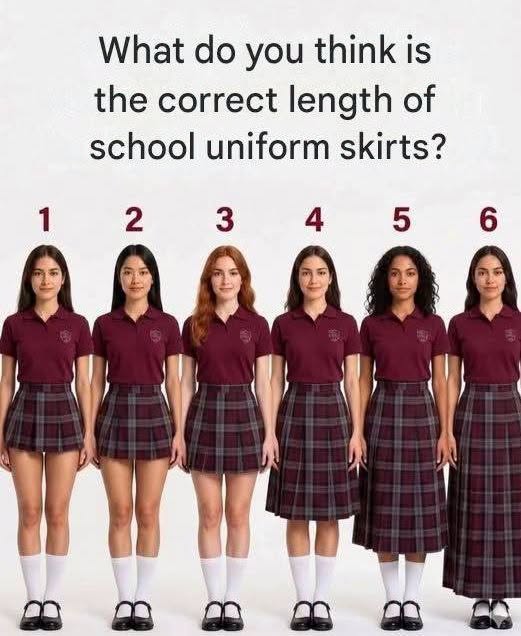
Many educators believe that school uniforms should reflect professionalism and respect for the learning environment. From this perspective, skirt length should be practical, comfortable, and appropriate for daily school activities. A commonly accepted guideline is that the skirt should reach approximately the knee or just above it. This length allows students to move comfortably while maintaining a neat and polished appearance.
Comfort is one of the most important factors when choosing the right skirt length. Students spend many hours sitting in classrooms, climbing stairs, participating in group projects, and walking across campus. A skirt that is too short may cause discomfort or require constant adjustment, while one that is too long may restrict movement during physical activities or become inconvenient in certain weather conditions. A moderate length provides a balance between freedom of movement and practicality.
Safety is another consideration. Students often participate in science labs, art classes, school assemblies, and extracurricular activities. Clothing should allow them to move confidently without creating unnecessary distractions or safety hazards. Uniforms should support learning rather than become the center of attention.
School uniforms are also intended to reduce social pressure related to fashion. When everyone wears similar clothing, students may feel less pressure to compete over expensive brands or rapidly changing trends. A standard skirt length contributes to consistency and fairness, ensuring that dress code expectations apply equally to everyone.
Cultural values also influence opinions about school uniform policies. Around the world, schools have different traditions regarding uniforms. In some countries, skirts are typically knee-length or longer, reflecting formal educational traditions. In others, schools offer multiple options, allowing students to choose between skirts, trousers, or shorts depending on comfort, climate, or personal preference. Modern schools increasingly recognize that flexibility can better meet the needs of diverse student populations.
Weather is another practical factor. In colder regions, students often wear tights or leggings beneath their uniforms during winter months. In warmer climates, lighter fabrics and breathable materials become more important than slight differences in skirt length. Schools may adjust uniform guidelines to reflect local weather conditions while maintaining a consistent appearance.
Today’s students also value self-expression. While uniforms naturally limit fashion choices, many schools recognize that small opportunities for personal preference can improve student satisfaction. Allowing different uniform options—such as skirts, pants, or shorts—gives students the ability to choose clothing that best fits their comfort level without sacrificing the overall purpose of the uniform policy.
Parents generally appreciate uniform policies because they simplify daily routines and reduce clothing expenses. However, many parents also emphasize that uniforms should be durable, affordable, and comfortable. A well-designed school skirt should withstand frequent washing, allow for growth during the school year, and provide enough flexibility for everyday activities.
Teachers often view uniforms as one part of creating a focused learning environment. Rather than spending time enforcing constantly changing fashion trends, educators can concentrate on teaching. Clear, reasonable dress code guidelines reduce confusion and help students understand expectations. At the same time, schools should ensure that policies are applied fairly and respectfully.
Students themselves frequently have differing opinions. Some prefer shorter skirts because they find them more fashionable, while others feel more comfortable in longer styles. Listening to student feedback can help schools create uniform policies that are practical while maintaining the educational goals of the institution. Involving students in discussions about uniform design often increases acceptance and compliance.
Many schools periodically review their dress codes to reflect changing social expectations. Modern uniform policies increasingly focus on comfort, inclusion, practicality, and respect rather than strict adherence to outdated traditions. Schools may consult parents, students, teachers, and administrators before making changes to ensure that new policies meet the needs of the entire school community.
Ultimately, the “right” length for a school uniform skirt is one that balances professionalism, comfort, safety, and practicality. A skirt that reaches around the knee or slightly above is widely considered an effective compromise because it supports movement, maintains a neat appearance, and suits a variety of school activities. However, flexibility is equally important. Schools should recognize that students have different needs, body types, and personal preferences.
Rather than focusing solely on exact measurements, schools benefit from creating dress code policies that encourage respect, inclusivity, and a positive learning environment. Uniforms should help students concentrate on education, build confidence, and foster a sense of belonging. When thoughtfully designed, they become a practical tool that supports both academic success and student well-being.
In the end, school uniforms are not simply about clothing—they represent the values of the school community. A well-balanced uniform policy should promote equality, encourage respect, provide comfort, and allow students to participate fully in every aspect of school life. By prioritizing these goals, schools can create an environment where students feel comfortable, confident, and ready to learn every day.