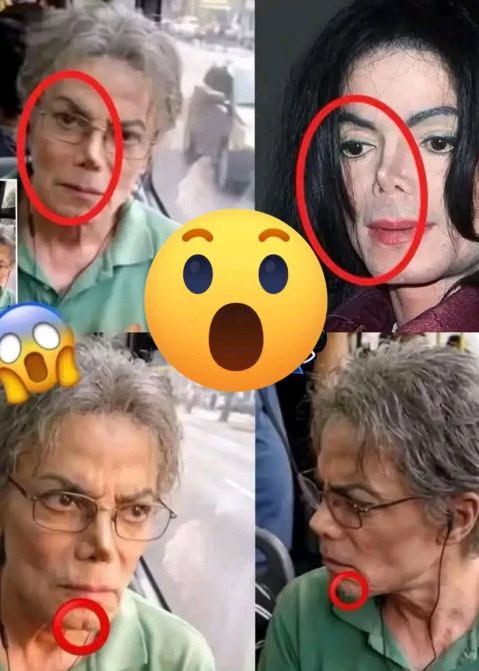
Michael Jackson Is Alive? The Photo That Sparked Another Internet Frenzy
Every few months, social media erupts with a familiar claim: “Michael Jackson is alive! This photo proves it!” The latest viral image has once again fueled speculation, with thousands of users sharing posts insisting that the King of Pop never died and has secretly been living in hiding. But what is the truth behind the mysterious photograph, and why do these rumors continue to spread years after his passing?
The image making the rounds shows a person who bears a striking resemblance to Michael Jackson. Dressed in dark clothing, wearing sunglasses and a hat, the individual appears to have facial features similar to the legendary singer. Captions accompanying the photo claim it was secretly taken in a public place and that it reveals Jackson’s true whereabouts. Many commenters immediately accepted the image as proof, while others questioned its authenticity.
The fascination is understandable. Michael Jackson was one of the most recognizable entertainers in history. His unique appearance, iconic fashion, and worldwide fame made him a larger-than-life figure. Even after his death in 2009, his influence has remained enormous. Millions continue to listen to his music, watch his performances, and celebrate his artistic legacy. Because of this lasting popularity, any image resembling him can quickly attract attention.
However, extraordinary claims require extraordinary evidence. A single photograph, especially one without clear context, cannot prove that someone presumed dead is actually alive. Images shared online are often cropped, edited, taken from misleading angles, or presented without information about where and when they were captured. In some cases, they feature impersonators who intentionally resemble famous celebrities.
Professional Michael Jackson tribute artists have spent years perfecting his appearance, dance moves, voice, and mannerisms. Some look so convincing that casual observers can easily mistake them for the real performer. These impersonators perform at concerts, charity events, conventions, and fan gatherings around the world. When photographs of them appear online without explanation, rumors naturally begin to spread.
Modern technology also contributes to the confusion. Artificial intelligence, sophisticated photo-editing software, and deepfake tools make it easier than ever to create realistic-looking images. A convincing picture is no longer enough to establish that an event actually occurred. Digital manipulation has become so advanced that experts often need to examine original files and metadata before determining whether an image is authentic.
Another reason these stories gain traction is human psychology. People often want to believe that beloved public figures are still alive. Throughout history, similar rumors have surrounded celebrities such as Elvis Presley, Tupac Shakur, and Princess Diana. Fans sometimes find comfort in imagining that their heroes escaped public life rather than accepting a tragic ending.
Conspiracy theories also tend to thrive online because social media algorithms reward engaging content. Headlines that promise shocking discoveries or hidden truths often receive more clicks, comments, and shares than ordinary news. As a result, misleading posts can spread rapidly before fact-checkers have an opportunity to investigate them.
When examining viral claims, it helps to ask several simple questions. Who originally posted the image? Is there a credible source identifying the location and date? Has any reputable news organization confirmed the story? Are multiple independent witnesses available? If the answer to these questions is no, skepticism is appropriate.
Michael Jackson’s death was extensively documented in 2009. Medical professionals, law enforcement agencies, family members, and courts all played roles in the investigation that followed. His passing led to worldwide media coverage, public memorials, legal proceedings, and years of documented reporting. These events have been supported by substantial evidence and official records.
That does not stop internet rumors from resurfacing. Every year, new photos, blurry videos, or anonymous eyewitness stories claim to reveal Jackson living under a different identity. Yet none have produced verifiable evidence capable of overturning the established historical record.
The enduring popularity of these stories says more about Michael Jackson’s extraordinary cultural impact than about the claims themselves. Few artists have inspired such lasting admiration. His groundbreaking music videos, innovative choreography, unforgettable performances, and record-breaking albums continue to influence musicians across generations. His legacy remains alive through his art, even though the person himself is no longer here.
Fans continue to celebrate classics like “Billie Jean,” “Thriller,” “Beat It,” “Smooth Criminal,” and “Man in the Mirror.” New listeners discover his catalog every year, while longtime admirers revisit performances that changed the music industry forever. This ongoing appreciation keeps his memory fresh in popular culture.
Ultimately, the viral photograph serves as another reminder of how easily misinformation can circulate online. A compelling image, dramatic caption, and emotional reactions are not substitutes for reliable evidence. Before sharing sensational claims, it is worth taking a moment to verify their source and consider whether independent confirmation exists.
The mystery surrounding the latest photo may continue to generate debate across social media, but based on the available evidence, it does not demonstrate that Michael Jackson is alive. Instead, it highlights the internet’s fascination with legends whose influence remains so powerful that many people still wish they could return.
Michael Jackson’s story continues through his music, his cultural impact, and the generations of artists inspired by his work. While rumors may come and go, his legacy as one of the greatest entertainers in history remains firmly established, reminding us that sometimes a person’s influence can feel so timeless that it almost seems as though they never truly left.