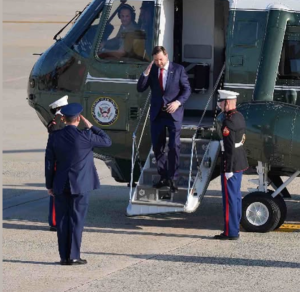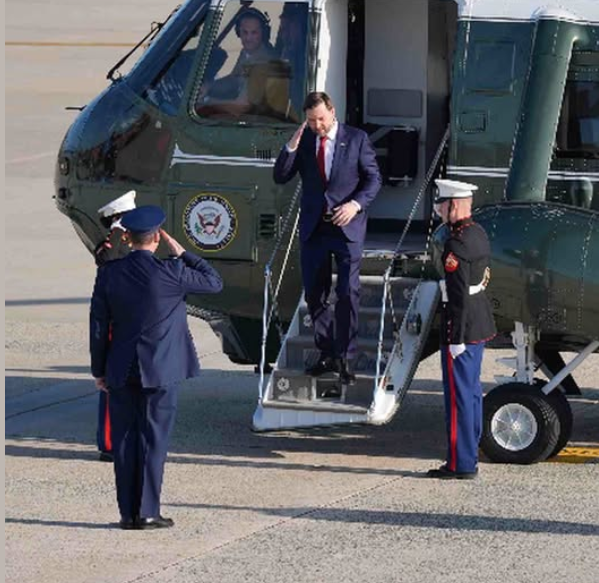
“JD Vance Pulled Off Plane – Rushed to White House for Emergency” — How to Evaluate Viral Breaking-News Headlines
Social media is full of dramatic headlines claiming that a well-known public figure has been rushed to a secure location or interrupted during travel because of an emergency. One example is the headline: “JD Vance Pulled Off Plane – Rushed to White House for Emergency… See More.” Before accepting or sharing a claim like this, it’s important to understand how breaking news develops and why sensational headlines often spread faster than verified information.
Headlines that begin with words like “BREAKING,” “JUST NOW,” “10 Minutes Ago,” or “Rushed” are designed to create urgency. They encourage readers to click immediately, sometimes before any reliable information has been confirmed.
In reality, high-ranking U.S. officials such as the vice president frequently change travel plans for reasons that have nothing to do with a crisis. Schedule adjustments can occur because of security considerations, weather, classified meetings, changes to official events, or logistical issues. A sudden change in travel does not automatically indicate an emergency.
When a significant event involving senior government officials does occur, it is typically reported by multiple established news organizations. Reputable outlets generally identify their sources, distinguish confirmed facts from early reports, and update stories as more information becomes available. Official statements from the White House or other government agencies often provide additional context.
It is also helpful to remember that early reports can be incomplete. During developing events, journalists work to verify information before publishing details. As a result, the first version of a story may later be updated or corrected as investigators and officials gather more evidence.
Social media, however, rewards speed and engagement. A headline that suggests a dramatic emergency is more likely to be shared than one that says, “Travel schedule changed for logistical reasons.” This creates an environment in which speculation can spread much faster than verified reporting.
Another common feature of clickbait is the use of incomplete sentences. Phrases such as “You’ll never believe what happened…” or “See more…” encourage curiosity without providing meaningful information. Readers often share these posts based solely on the headline without opening the article or checking whether the claims are supported.
Media literacy experts recommend several simple steps before believing or sharing breaking-news posts:
- Read beyond the headline.
- Check whether multiple credible news organizations are reporting the same event.
- Look for official statements from government agencies.
- Pay attention to publication dates and times.
- Be cautious of anonymous sources presented without evidence.
History has shown that rumors surrounding prominent political figures often spread rapidly online, especially during periods of heightened public interest. Some stories later prove accurate after official confirmation, while others are shown to be exaggerated, misleading, or entirely false.
This is why professional journalists emphasize verification over speed. Responsible reporting requires confirming information through reliable sources before presenting it as fact.
Ultimately, headlines claiming that a public official was suddenly pulled from a plane or rushed to an emergency meeting should be treated as unverified until supported by credible evidence. Taking a few extra moments to confirm the facts helps reduce the spread of misinformation and promotes a better-informed public conversation.
In an age when news can reach millions of people within minutes, careful verification remains one of the most valuable habits any reader can develop.