Shock in Washington: Viral Claims Say Trump Was Shot Again — But What Do We Actually Know?
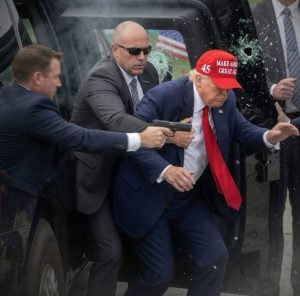
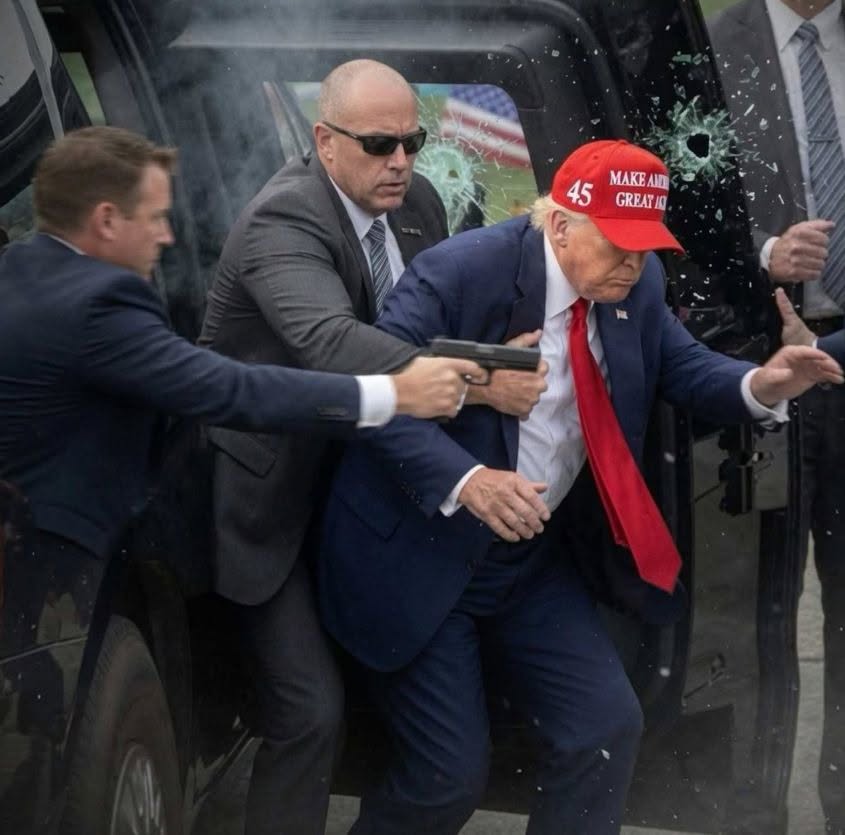
A shocking headline began circulating online claiming that President Donald Trump had been shot again in Washington, D.C., sending social media users into a frenzy and raising immediate questions about the safety of the president.
The headline was dramatic: “20 MINUTES AGO IN WASHINGTON, Shock in D.C.: President Donald Trump Shot AGAIN…”
But when a claim this serious appears online, the first question should not be whether it sounds believable. The first question should be whether it has been confirmed by reliable authorities.
At the time of writing, there is no credible confirmation from major news organizations that President Trump was shot again in Washington today.
That distinction is extremely important.
The United States has experienced several serious security incidents involving Trump and people in his administration in recent months, which may make sensational claims like this appear believable. But a real shooting involving a sitting president would be an extraordinary national event, and credible reports would normally emerge rapidly from the White House, Secret Service, law enforcement agencies, and major news organizations.
The absence of such confirmation means readers should be extremely cautious before sharing the headline.
Why the claim is causing confusion
Part of the confusion may come from genuine incidents that occurred earlier in 2026.
On April 25, a shooting occurred during the White House Correspondents’ Dinner at the Washington Hilton. Trump, First Lady Melania Trump, Vice President JD Vance, and other officials were evacuated safely. A Secret Service officer was struck by a bullet but survived, while the suspect was arrested. Trump himself was not injured.
That incident was serious enough to renew concerns about security surrounding the president and senior government officials.
Another shooting incident occurred near the National Mall in May. Authorities said a suspect exchanged gunfire with Secret Service personnel near the Washington Monument while Trump was holding an event inside the White House. The suspect was wounded and a bystander was grazed, but there was no report that Trump was shot.
These real events provide important context, but they should not be confused with a new, unconfirmed claim.
The importance of verification
When news involves violence against a political leader, misinformation can spread incredibly quickly.
A single social-media post can be copied thousands of times within minutes. One person may post an alarming headline, another account may repeat it without checking, and soon hundreds of people may believe that a confirmed event has occurred.
The words “breaking news,” “just now,” and “20 minutes ago” can create a powerful sense of urgency.
But urgency should never replace verification.
If a sitting U.S. president had actually been shot, the public would expect immediate confirmation from multiple independent sources. The Secret Service would be involved. The White House would likely issue information. Major television networks and newspapers would interrupt regular coverage. Emergency officials would provide updates as appropriate.
That is why extraordinary claims require extraordinary evidence.
A dangerous headline
The phrase “shot AGAIN” is especially powerful because Trump has previously survived assassination attempts and other security threats.
In July 2024, while campaigning for president, Trump survived an assassination attempt at a campaign rally in Butler, Pennsylvania. The event shocked the country and became one of the most significant moments of the 2024 presidential campaign.
Then, in 2026, security concerns again surrounded Trump and members of his administration following the Washington Hilton shooting.
Because people remember these events, a headline claiming another shooting can immediately trigger fear.
Some readers may begin texting relatives. Others may search for updates on television or social media. Political supporters may react with anger, while opponents may begin speculating about what happened.
But until authorities confirm an event, those reactions can be based on something that simply is not true.
What readers should do
If you encounter a headline claiming that President Trump has been shot, do not immediately share it.
Instead, check several reliable news sources.
Look for confirmation from established national news organizations and official government sources. Pay attention to the date and time of the report. Search for statements from the White House or Secret Service. Be particularly cautious if the only source is a Facebook page, anonymous account, edited video, or website using exaggerated headlines.
Images can also be misleading.
Old photographs from previous incidents may be reused to make a new event appear real. Videos from earlier security incidents can be reposted with completely different captions. A dramatic photograph does not necessarily prove that the event described in the headline happened today.
Why responsible reporting matters
Political violence is not entertainment.
Whether someone strongly supports Trump, strongly opposes him, or has no political preference at all, an attack on a sitting president would affect the entire country.
False reports can create unnecessary fear, intensify political tensions, and make it harder for people to recognize genuine emergencies when they occur.
That is why responsible reporting requires a clear separation between confirmed facts and speculation.
At this point, the claim that Trump was “shot again” should not be presented as established fact.
There is a significant difference between saying, “A viral headline claims Trump was shot,” and saying, “Trump was shot.”
The first describes what is circulating online.
The second makes a factual claim that requires evidence.
The story behind the headline
The real story is that security surrounding the president remains a major national concern. Recent incidents in Washington have demonstrated that threats can develop quickly and that law enforcement agencies must respond within seconds.
The Secret Service has the responsibility of protecting the president and other designated officials. Security operations involve advance planning, intelligence gathering, protective teams, emergency evacuation procedures, and coordination with local and federal law enforcement.
When an incident occurs near a protected official, authorities must determine whether the person is actually the target, whether there is an ongoing threat, and whether additional security measures are necessary.
Those decisions can happen within moments.
Final thoughts
The headline “20 MINUTES AGO IN WASHINGTON: President Donald Trump Shot AGAIN” is designed to create immediate shock.
But shock is not proof.
As of the latest information available, there is no credible confirmation that Trump was shot again in Washington today. Earlier 2026 incidents involving gunfire near Trump and his administration were real and serious, but those events do not establish that a new shooting has occurred today.
For readers, the best response is simple: pause, verify, and avoid spreading an unconfirmed claim.
Breaking news can change quickly, but accuracy matters more than speed.
If a genuine emergency involving the president occurs, reliable confirmation will come from authoritative sources. Until then, viral headlines should be treated as claims—not facts.
In an age when information can travel around the world in seconds, one of the most powerful things a reader can do is stop before clicking “share” and ask one simple question:
“Has this actually been confirmed?”
That question can make the difference between informing people and spreading misinformation.