U.S. B-2 Spirit Bombers and Iran: Why the World Is Watching Closely
A dramatic new claim is circulating that the United States is preparing to target Iran using B-2 Spirit stealth aircraft. But what is actually known, and why would the appearance of these aircraft matter so much?
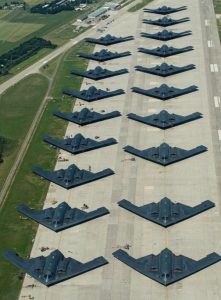
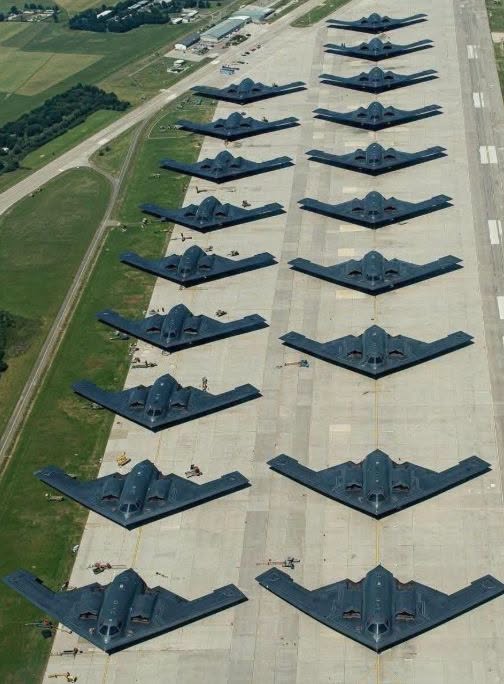
The possibility of another major U.S. military operation involving Iran would immediately attract international attention. The B-2 Spirit is not an ordinary bomber. It is one of the most sophisticated aircraft in the American military arsenal, designed to penetrate heavily defended airspace while remaining difficult for enemy radar systems to detect.
Reports earlier this year confirmed that B-2 aircraft have already participated in U.S. operations against Iranian targets. U.S. Central Command said B-2 stealth bombers carried out missions against Iranian capabilities during the ongoing conflict.
That history is important because it explains why any new report involving B-2 aircraft would be taken seriously.
Why the B-2 Matters
The B-2 Spirit was designed around stealth.
Unlike conventional aircraft that may be easier for radar systems to detect, the B-2’s distinctive flying-wing design reduces its radar signature. This allows it to operate in environments where enemy air defenses could pose a serious threat.
The aircraft can also carry large conventional weapons, making it particularly valuable when military planners need to attack heavily protected or hardened targets.
That capability has already been demonstrated in operations involving Iran.
In March 2026, U.S. B-2 bombers were reported to have conducted strikes against hardened Iranian ballistic-missile facilities. Reports described the aircraft as operating alongside other American military assets during a broader campaign.
The B-2 has therefore become an important symbol of America’s ability to conduct long-range precision strikes.
The Long Journey
One of the most remarkable aspects of B-2 operations is the distance involved.
In one 2026 mission, B-2 crews reportedly flew for approximately 36 hours and traveled roughly 13,000 miles on a round trip from Missouri to the Middle East and back.
That kind of mission requires extraordinary planning.
The aircraft cannot simply take off, fly thousands of miles, conduct a mission, and return without extensive logistical support. Tanker aircraft, intelligence systems, communications networks, maintenance crews, command centers, and other military assets can all play important roles.
For the crews themselves, such missions can be physically and mentally demanding.
The B-2 has limited space inside the cockpit, including a small fold-down sleeping area. Pilots have to manage fatigue carefully during extraordinarily long missions.
Why Iran Is Watching
For Iran, the deployment or movement of B-2 aircraft would carry an obvious strategic message.
The B-2’s primary advantage is its ability to threaten targets that may be difficult for other aircraft to reach. Hardened military installations, underground facilities, missile infrastructure, and command locations can all become part of strategic calculations during a conflict.
However, the presence of a B-2 does not automatically mean that a strike is about to occur.
Aircraft can be deployed for deterrence, training, contingency planning, or broader military operations. Military movements can also be deliberately designed to create uncertainty.
That is why headlines claiming that a strike will happen “today” should be examined carefully.
The Danger of Unconfirmed Reports
In an age of social media, military rumors can spread around the world in minutes.
A photograph of a B-2 taking off may be genuine but unrelated to a specific operation. A video posted online may be several months old. A dramatic headline may transform a possibility into something that sounds like a confirmed military decision.
That distinction matters enormously when discussing Iran and the United States.
A confirmed military strike could have consequences far beyond the immediate target.
Iran could respond against American forces or regional partners. Missile attacks, drone operations, attacks on shipping, or other forms of retaliation could potentially expand the conflict.
Energy markets could also react quickly.
The Persian Gulf and the Strait of Hormuz are particularly important to global energy supplies. Any major escalation involving Iran could therefore affect oil prices, shipping costs, insurance markets, and economies around the world.
What Happens Next?
The biggest question is whether the current situation develops into another major military escalation or whether military pressure remains primarily a deterrent.
If B-2 aircraft are involved in another operation, analysts would likely watch several indicators: official Pentagon statements, U.S. Central Command announcements, satellite imagery, aircraft movements, diplomatic activity, and reports from credible journalists and defense specialists.
But until those sources confirm a new operation, it would be premature to state as fact that the United States is definitely preparing to strike Iran today.
The B-2’s presence alone cannot answer that question.
A Powerful Warning
Nevertheless, the history of recent operations demonstrates why the aircraft receives so much attention.
The B-2 has already been used in combat against Iranian targets in 2026. U.S. officials and military reporting have described long-range missions involving the aircraft, while analysts have examined its role in attacking hardened targets.
That means any new movement involving B-2 Spirits would naturally be watched closely by governments, military analysts, investors, and ordinary people around the world.
The aircraft represents more than a weapon.
It represents the ability of the United States to project military power across enormous distances.
The Bigger Picture
The real story is therefore bigger than one aircraft or one possible strike.
The relationship between Washington and Tehran remains one of the most consequential security issues in the Middle East. Any escalation could affect not only the two countries involved but also Israel, Gulf states, American military personnel, international shipping, energy markets, and diplomatic relations around the world.
For that reason, dramatic claims should always be separated from confirmed facts.
Yes, B-2 Spirit bombers have been used in U.S. operations against Iran in 2026.
Yes, their capabilities make them extremely significant in any discussion of long-range strikes.
But a claim that the United States is definitely preparing to conduct a new B-2 strike today requires confirmation from reliable, current sources.
Until such confirmation appears, the safest conclusion is that the situation deserves close attention—but not speculation presented as fact.
In a conflict where events can change within hours, the next verified announcement could be far more important than the rumors spreading across social media.
And that is why the world will continue watching.