Here’s a comprehensive ~1,000-word explainer on the current situation involving the U.S., Israel, and Iran — including what’s actually been confirmed versus what claims are circulating about President Donald Trump ordering the evacuation of Tehran. (As of Monday, March 2, 2026.)
Context: U.S.–Israel War on Iran and the Tehran Strikes
Over the past several days, the Middle East has been engulfed in a rapidly escalating conflict that now involves the United States, Israel, and Iran in direct military operations.
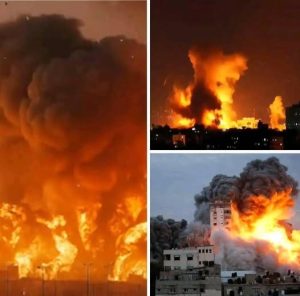
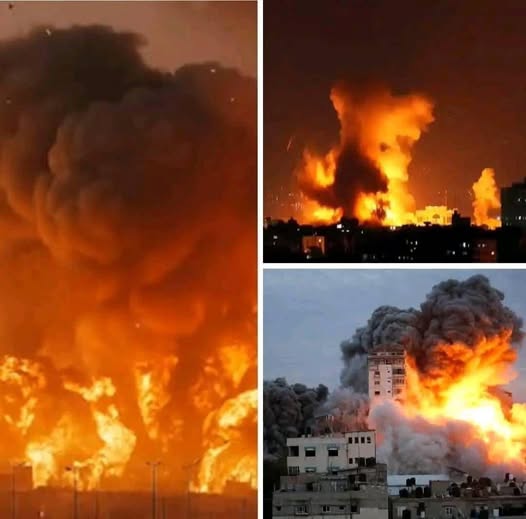
On February 28, 2026, the United States and Israel launched a coordinated aerial campaign against Iranian military and political targets in what has been described as Operation “Epic Fury” — a massive joint offensive that included airstrikes and missile attacks across Iran, including in its capital, Tehran. (The Washington Post)
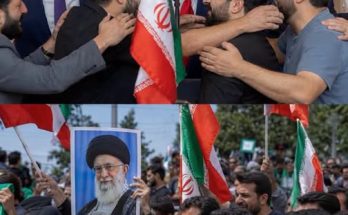
These strikes included high-profile targets such as missile facilities, government buildings, and, most significantly, the compound of Iran’s Supreme Leader, Ayatollah Ali Khamenei. Iranian state media and multiple international outlets have confirmed that Khamenei was killed in the strikes — a development that marks an extraordinary escalation in U.S.–Iran relations. (AP News)
President Trump — who authorized the U.S. military involvement — publicly framed the campaign as aimed at neutralizing threats posed by Iran’s missile programs and its support for militant groups, while also encouraging Iranians to rise up against their regime. (Axios)
Has Trump Ordered a Mass Evacuation of Tehran?
The specific claim that President Trump ordered a full evacuation of Tehran today is not confirmed in reliable sources at this time. There is no credible reporting from Reuters, AP, The Guardian, or other major outlets as of March 2, 2026, stating that Trump has issued a direct evacuation order of the Iranian capital this weekend.
Here’s what we do know:
🔹 Trump Has Encouraged Iranians to Flee Danger Zones
In June 2025, during an earlier phase of the Israel-Iran conflict, President Trump — then in office — explicitly urged residents of Tehran and surrounding areas to evacuate immediately, citing the danger posed by Israeli strikes and possible U.S. involvement. (PBS)
That call was widely reported by Reuters, PBS, and other outlets at the time, but the position then was connected to a long-running conflict in 2025 — not today’s events in March 2026.
Those earlier warnings occurred in the context of an intermittent Israel–Iran conflict in mid-2025 and were widely understood as an advisory or exhortation, not a binding legal evacuation order issued through international or military channels. (https://www.wfsb.com)
🔹 No Current Verified Evacuation Directive
As of March 2, 2026, reports from major wire services and global media are detailed on the broader war — including U.S. casualties, Iranian retaliation, regional escalation into Lebanon, and warnings by various governments — but none of these sources mention a direct Trump order to evacuate Tehran in the present moment. (Reuters)
There are reports that the conflict has already led to extremely dangerous conditions on the ground, including heavy bombing, civilian casualties, and mass displacement. In addition:
- The UN nuclear chief has warned that a mass evacuation of cities across the Middle East might be necessary if nuclear facilities are attacked. (The Guardian)
- Other nations, especially European governments, have been issuing advisories to their citizens to leave or shelter due to threats and retaliatory strikes. (AP News)
But no global or official evacuation order for Tehran originating from the U.S. government or the United Nations has been reported so far.
How the Conflict Escalated
To understand why such evacuation talk exists at all, it’s important to trace how the crisis escalated:
1. Long-standing Iran–Israel Tensions
Iran and Israel have had deep strategic and ideological animosity for decades, centered on Iran’s nuclear program, missile capabilities, and support for groups like Hezbollah and Hamas. Various rounds of strikes, threats, and proxy violence have occurred since 2023. (Wikipedia)
2. Diplomatic Breakdown
In early 2026, diplomatic talks aimed at curbing Tehran’s nuclear ambitions collapsed amid mutual distrust. This breakdown provided a backdrop to increasing hostility and military preparations. (Wikipedia)
3. Joint U.S.–Israel Military Operation
On February 28, Israel and U.S. forces coordinated a massive strike campaign that killed Khamenei and senior Iranian military figures. The attack was justified publicly by Washington and Jerusalem as an effort to prevent Iran from posing an imminent threat to regional and global security. (The Washington Post)
The strikes involved hundreds of targets, including ballistic missile sites, warships, and command centers. (Business Insider)
4. Iranian Retaliation and Wider War
Iran responded with missile and drone attacks on Israeli cities and U.S. bases and launched strikes against installations in the Gulf, including in Kuwait, Bahrain, and Qatar. (People.com)
Iranian allied militia groups — notably Hezbollah — have fired rockets into northern Israel, prompting heavy Israeli counter-strikes in Lebanon, killing dozens and displacing civilians. (The Guardian)
The conflict has now widened beyond Iran’s borders, raising the specter of broader regional war.
Human and Geopolitical Consequences
Civilian Impact
The war has produced significant civilian casualties within Iran, including reported attacks that struck non-military targets like schools. (The Guardian)
Mass displacement inside Iran and across nearby regions has also been documented, reminiscent of earlier exoduses such as the 2025 Tehran displacement during intense fighting. (Wikipedia)
U.S. and Allied Casualties
Three U.S. service members have been confirmed killed during the operations, marking an escalation in direct American losses. (Reuters)
Global Economic Strain
The conflict has disrupted Middle Eastern air travel and maritime traffic, affecting key choke points like the Strait of Hormuz, through which a significant portion of global oil supplies flows. (Christian Science Monitor)
Regional Involvement
Militias backed by Iran (e.g., Hezbollah) have expanded the battlefield into Lebanon, and governments in the Gulf are grappling with indirect fallout from the strikes and retaliatory attacks. (AP News)
International diplomatic pressure — from Europe, the Arab League, and U.N. officials — underscores global concern about the conflict spiraling further. (WJCL)
What Comes Next?
Analysts caution that:
- While the decapitation of Iran’s leadership was a major moment, such strikes rarely succeed in forcing long-term regime change without comprehensive political strategy. (Vox)
- Iran’s new temporary leadership and security forces are consolidating control, complicating U.S. hopes of a rapid collapse of Tehran’s hardline establishment. (Reuters)
At the same time, the war’s persistence raises real risks for civilians across the region and for international stability — potentially drawing in other global powers if the conflict continues to escalate.
Bottom Line
➡️ No confirmed report as of March 2, 2026, shows that President Trump has issued a current evacuation order for Tehran. Warnings about evacuation or calls for civilians to flee danger areas have occurred historically (notably in June 2025) and may resurface as conditions deteriorate, but they have not been officially reported in today’s news cycle.
➡️ The broader war between the U.S., Israel, and Iran is real, intense, and ongoing — involving strikes, retaliation, civilian harm, regional escalation, and severe geopolitical ramifications. (AP News)
If you want, I can also provide a timeline of the conflict, key reactions from global leaders, or analysis on likely future scenarios. Just let me know which you’d prefer.