1. What Happened? Violent Protests and Military Deployment
In northern Pakistan’s Gilgit-Baltistan region, authorities have deployed army troops and imposed a curfew after violent demonstrations erupted that left scores dead and injured. The unrest followed widespread outrage over news of U.S. and Israeli military strikes that killed Iran’s Supreme Leader, Ayatollah Ali Khamenei, a figure revered by many Shia Muslims in Pakistan and beyond.
The protests quickly spread across the country, from the northern Himalayan cities of Gilgit, Skardu and Shigar to large urban centers like Karachi and Islamabad. In multiple cities, demonstrators clashed with security forces, attacked diplomatic facilities, and called for continued protests despite government bans on large gatherings.
In response to this surge in violence, Pakistan’s civilian government activated military support for law enforcement, imposing curfews and banning public assemblies in especially volatile zones.
2. Where the Violence Was Worst
Gilgit-Baltistan: Northern Hotspot
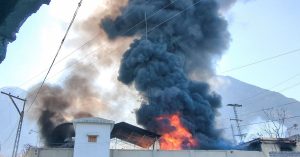
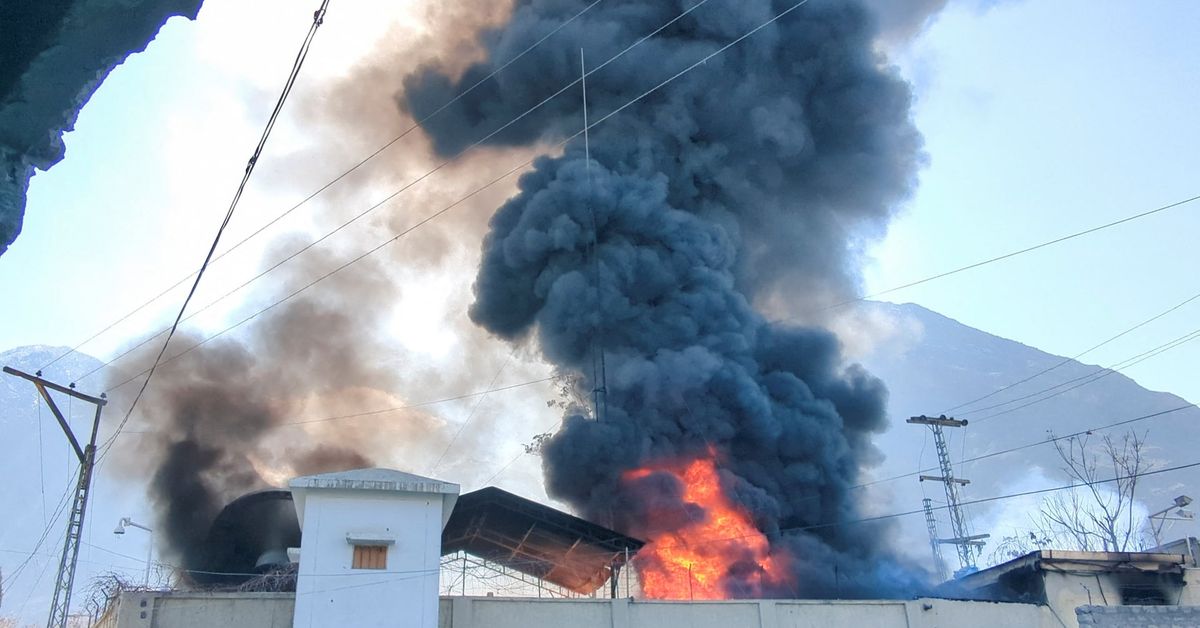
Gilgit-Baltistan — a mountainous region with a large Shia Muslim population — became the epicenter of the unrest. Protests there turned particularly violent, with demonstrators burning buildings and clashing with security forces.
In the city of Skardu, crowds reportedly set fire to the offices of the United Nations Military Observer Group (UNMOGIP) and other facilities. During these clashes, local officials confirmed that more than a dozen people — including at least one soldier — were killed and dozens were wounded.
Authorities said these demonstrations rapidly overwhelmed local police resources, prompting them to call in the Pakistan Army under constitutional provisions to restore order and prevent further destruction.
A three-day curfew was ordered across parts of the region to stem further outbreaks of violence and allow security forces to regain control.
Karachi and Islamabad: Urban Clashes
Far from the mountains, deadly protests also erupted in Karachi, Pakistan’s largest city and economic center. There, thousands of Shiite demonstrators marched toward the U.S. Consulate, enraged by Washington’s role in the strikes on Iran.
Clashes with law enforcement resulted in multiple fatalities and scores of injuries. Reports suggest that security forces used force — including tear gas and, in some accounts, live ammunition — to prevent protesters from breaching the consulate grounds.
In Islamabad, confrontations occurred as processions tried to reach the U.S. Embassy, resulting in additional deaths. Pakistan suspended consular services and tightened security around U.S. missions nationwide in response to these threats.
3. How the Protests Spread Nationwide
Although the worst violence occurred in the north and major cities, demonstrations spread across Pakistan, with large groups gathering in cities such as Parachinar, Dera Ismail Khan and Peshawar. In many of these areas, protests remained peaceful, but the scale and intensity added to the government’s security concerns.
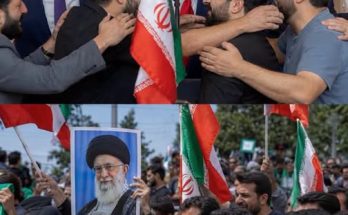
The large scale of participation highlights the sensitivity of the issue among Pakistan’s Shiite community, which is one of the largest in the world. Many protesters viewed the killing of Ayatollah Khamenei not merely as a geopolitical event, but as an attack on a spiritual leader and symbol of their religious identity.
4. Government Response: Curfews, Bans, and Military Support
Facing multiple fronts of civil disorder, the Pakistani government’s response was multi-layered:
Curfew in Gilgit and Skardu
Authorities declared a three-day curfew in the most affected northern districts. This measure was intended to prevent nighttime gatherings and give security forces freer movement without risking additional civilian casualties.
National Ban on Large Public Gatherings
Beyond the north, the government imposed a nationwide ban on large assemblies to prevent violence from spreading further and to discourage mass mobilization in major cities.
Military Deployed to Support Civil Authorities
Pakistan’s army was mobilized under constitutional authority to assist overwhelmed civil law enforcement agencies. This included backing police operations and guarding critical infrastructure.
Sources say the deployment aimed both to deter further violent clashes and to protect government buildings, foreign missions, and international facilities that had already become targets during the unrest.
5. Casualties and Damage
While official casualty figures vary, multiple accounts suggest that dozens of people were killed and many more injured during the unrest:
-
In the northern region, clashes with police and army units resulted in a number of deaths and dozens of injuries.
-
Karachi witnessed fatalities and large numbers of wounded during clashes near the U.S. Consulate.
-
Islamabad also reported fatalities connected to protest marches toward the U.S. Embassy.
Beyond loss of life, demonstrators in multiple regions torched buildings — including United Nations offices, police stations, schools and charities — further illustrating the intensity of the unrest.
6. Broader Context: Regional and International Dynamics
The protests did not occur in isolation. They are part of a broader wave of unrest linked to U.S. and Israeli military actions inside Iran, which have sharply escalated regional tensions.
Although Pakistani authorities have not publicly taken sides in those strikes, demonstrators interpreted the events as hostile actions against a major Shia power, leading to solidarity protests. The speed and severity of the reaction underscore how regional conflicts can have immediate domestic implications in neighboring countries with significant religious and cultural ties.
7. Security Concerns and Future Escalation Risks
Calling in the military — especially in a constitutional framework rather than a civil emergency law — signals that Pakistan’s government views the unrest as a serious security threat that local police cannot manage alone.
Even with curfews and troop deployments, analysts warn the situation remains fragile:
-
Funeral processions and scheduled demonstrations still pose flashpoint risks.
-
Shiite leaders have called for continued protest activity despite government bans.
-
The widespread anger may continue to fuel unrest across several provinces.
8. Conclusion: A Nation on Edge
The deployment of Pakistan’s military to the northern Gilgit-Baltistan region and the imposition of sweeping security measures reflect the severity of recent unrest tied to events in Iran.
What began as protests against foreign military actions quickly escalated into deadly clashes with security forces, destruction of key facilities, and nationwide instability, compelling authorities to take extraordinary measures to maintain order.
As curfews remain in place and troops continue to support civil law enforcement, Pakistan stands at a critical moment. The coming days could determine whether the unrest subsides or escalates further — with significant implications not only for internal security but also for regional stability amid broader Middle East tensions.