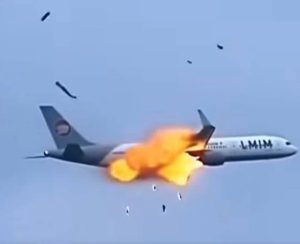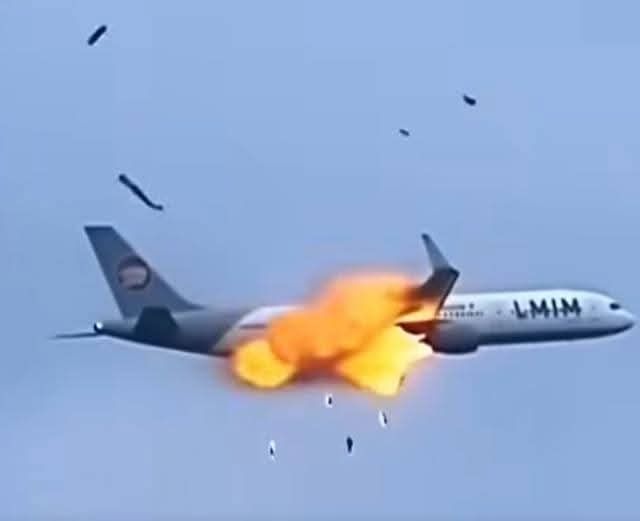
When news broke of a serious aviation incident, attention from around the world quickly focused on the unfolding situation. Aviation accidents and near-miss events capture global interest not only because of their dramatic nature but also because air travel is one of the most widely used forms of transportation. Millions of people rely on airplanes every day, and any unexpected incident raises urgent questions about safety, technology, and human decision-making. As investigators begin their work, governments, airlines, and aviation experts watch closely to determine what happened and how similar situations can be prevented in the future.
Air travel has long been considered one of the safest ways to travel. According to data from the International Air Transport Association, commercial aviation maintains extremely low accident rates compared with other forms of transportation. Nevertheless, when an incident does occur—whether it involves an emergency landing, technical malfunction, or runway collision—it immediately triggers a complex and carefully coordinated investigation.
The first priority in any aviation incident is the safety of passengers and crew. Emergency response teams are typically mobilized within minutes. Airports maintain specialized firefighting and rescue units trained specifically for aircraft emergencies. These teams coordinate with local hospitals, police departments, and air traffic control to ensure that the situation is stabilized as quickly as possible. In many cases, passengers are evacuated safely, though the shock and confusion of the moment can leave a lasting impression on those involved.
Once immediate safety concerns are addressed, investigators begin the methodical process of determining what went wrong. In the United States, the primary agency responsible for examining aviation accidents is the National Transportation Safety Board. The agency works independently from regulators to ensure its findings remain objective. Its investigators often arrive at an incident site within hours, bringing specialists in engineering, flight operations, weather analysis, and human factors.
At the same time, regulators such as the Federal Aviation Administration review operational data and communicate with airlines and airports. Their role is not only to monitor safety compliance but also to determine whether temporary measures are necessary while the investigation unfolds.
The process of aviation investigation is highly technical and often lengthy. Investigators begin by collecting physical evidence from the aircraft and surrounding environment. Even small details—such as the angle of damaged metal, debris distribution, or runway markings—can reveal important clues about how the incident developed.
Another critical element is the analysis of flight data. Most commercial aircraft carry two important recording devices: the flight data recorder and the cockpit voice recorder. These devices, often referred to as “black boxes,” capture hundreds of parameters including altitude, speed, engine performance, and pilot inputs. The cockpit voice recorder captures conversations and sounds in the flight deck, helping investigators understand the sequence of decisions made by the crew.
In addition to recorded data, investigators examine maintenance records, pilot training histories, and weather conditions at the time of the incident. Aviation safety relies on layers of redundancy, meaning that multiple systems and procedures are designed to prevent a single failure from causing a disaster. When an incident occurs, investigators look closely at how those layers interacted and whether one or more safeguards failed.
Public attention often focuses on dramatic images or early speculation, but aviation experts caution that determining the cause of an incident requires patience. Initial reports may change as more evidence is analyzed. Investigators must avoid jumping to conclusions, because aviation safety improvements depend on accurate and carefully verified findings.
The global aviation community also becomes involved when incidents attract widespread attention. Organizations such as the International Civil Aviation Organization help coordinate cooperation between countries, particularly if the aircraft, airline, passengers, or manufacturers come from different parts of the world. Aviation operates across international borders, so collaboration between governments and regulatory bodies is essential.
For airlines, incidents can be both operational and reputational challenges. Even when passengers are unharmed, disruptions to schedules, aircraft inspections, and temporary grounding of fleets can create significant logistical problems. Airlines often release statements emphasizing their commitment to safety and their cooperation with investigators. In many cases, additional inspections or precautionary measures are introduced while the investigation continues.
Passengers and the general public naturally want immediate answers. However, aviation investigations often take months, and sometimes more than a year, to complete. The final report typically includes a detailed timeline of events, technical analysis, and recommendations aimed at improving safety. These recommendations may involve changes to pilot training, aircraft design, maintenance procedures, or air traffic control systems.
Historically, many important aviation safety improvements have emerged from careful investigations. For example, lessons learned from past accidents have led to stronger cockpit resource management training, improved weather radar technology, and better communication protocols between pilots and air traffic controllers. Each investigation contributes to the broader knowledge that helps make aviation safer over time.
Media coverage also plays a significant role during these events. News organizations provide updates as new information becomes available, though responsible reporting requires caution to avoid spreading speculation. Aviation experts are often invited to analyze the situation and explain complex technical details in ways the public can understand.
Meanwhile, for passengers who were on board during the incident, the experience can be deeply emotional. Even when the outcome is ultimately safe, the sudden realization that something went wrong during a flight can be frightening. Airlines typically offer support services, including counseling and assistance with travel arrangements, to help affected passengers cope with the aftermath.
In the coming weeks and months, investigators will continue examining every aspect of the event. Their goal is not only to determine the immediate cause but also to identify underlying factors that may have contributed. These could include equipment design issues, operational procedures, or environmental conditions.
The broader aviation community pays close attention to the results. Airlines, aircraft manufacturers, regulators, and training institutions study investigation findings carefully because each lesson learned can help prevent future incidents. Safety improvements often ripple across the industry, benefiting passengers worldwide.
Ultimately, while aviation incidents attract intense attention, they also demonstrate the strength of the global safety system built around air travel. The combination of rigorous investigation, international cooperation, and constant technological improvement has made aviation far safer today than it was decades ago.
As investigators continue their work, the world watches not only for answers about what happened but also for insights that will help ensure safer skies for everyone who takes to the air.