Salma Hayek, Pamela Anderson, and Kelly Ripa Have Very Different Tricks for Covering Gray Hair — From Last-Minute Fixes to Unexpected At-Home Solutions
Gray hair is a natural part of life, but deciding how to handle it is a personal choice. Some people proudly embrace their silver strands, while others prefer to maintain their original color or experiment with new shades. For celebrities who regularly appear in front of cameras, the decision can become part of a larger beauty routine.
Three well-known stars—Salma Hayek, Pamela Anderson, and Kelly Ripa—have attracted attention for their different approaches to beauty, aging, and hair maintenance. Their experiences highlight an important message: there is no single correct way to deal with gray hair, and the best solution often depends on lifestyle, personal taste, and how much time someone wants to spend getting ready.
From quick touch-ups to at-home experiments and professional styling, their stories offer inspiration for anyone looking for a practical way to manage those first silver strands.
Salma Hayek: Embracing Natural Beauty
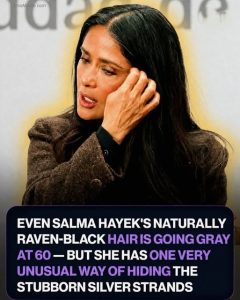
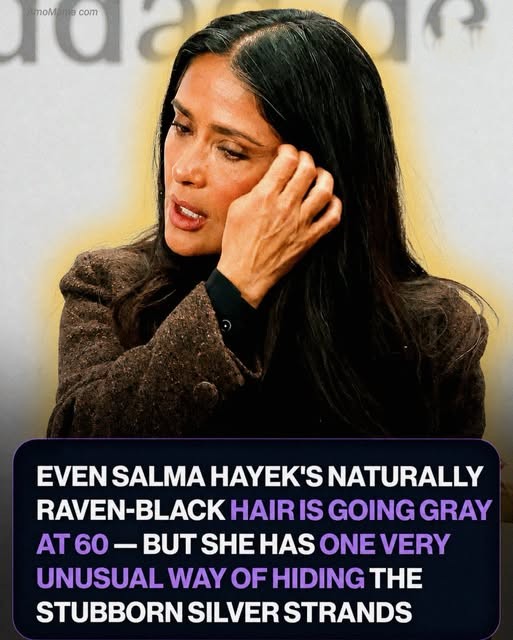
<PRIVATE_PERSON> Hayek has often spoken publicly about aging and beauty, and she has shared images of herself with visible gray strands. Rather than treating every silver hair as something that must immediately disappear, she has helped encourage conversations about accepting the natural changes that come with getting older.
For many people, gray hair appears gradually. A few strands around the temples may be the first sign, followed by more noticeable silver throughout the hair. The process differs from person to person and is influenced largely by genetics.
Hayek’s public approach to natural beauty offers a useful reminder that gray hair does not have to be viewed as a flaw. Someone can have silver strands and still enjoy glossy, healthy-looking hair.
For people who want to follow a similar philosophy, the first step may simply be changing their attitude toward the process. Instead of immediately reaching for permanent dye, they can experiment with different hairstyles, partings, or hair accessories to see how they feel about their natural color.
A well-maintained haircut can also make the transition look intentional. Regular trims, gentle conditioning, and products suited to the hair’s texture can help maintain a polished appearance regardless of color.
Of course, embracing gray hair does not mean that someone must stop coloring it. The important point is having the freedom to choose.
Pamela Anderson: A Fresh Approach to Beauty
Pamela Anderson has become known for experimenting with her appearance and, in recent years, appearing publicly with a more natural makeup style. Her changing beauty choices have helped fuel discussions about authenticity, confidence, and the pressure placed on women in the public eye.
Although makeup and gray-hair coverage are different subjects, Anderson’s broader beauty philosophy provides an interesting perspective. Looking polished does not necessarily require following every traditional beauty rule.
For someone noticing gray roots, this could mean choosing a simple, low-maintenance routine rather than feeling obligated to schedule frequent salon appointments.
There are several ways to approach that goal. A person might choose a softer hair color that blends naturally with incoming gray, use temporary root concealer for special occasions, or allow the silver strands to become part of a new look.
The right option depends on the person’s original hair color, the percentage of gray, and the amount of contrast between the roots and the rest of the hair.
Anderson’s evolving public image also illustrates how beauty preferences can change over time. A style that once felt essential may eventually become less important, allowing someone to spend less time worrying about appearance and more time enjoying everyday life.
That freedom can be especially appealing to people who have spent years maintaining a demanding hair-color routine.
Kelly Ripa: Practical Solutions for a Busy Schedule
Kelly Ripa has spent decades working in television, where lighting, cameras, and frequent public appearances can make small details more noticeable. For people with busy schedules, gray roots can be frustrating when they appear shortly before an important event.
The good news is that covering gray hair temporarily does not always require a full coloring appointment.
Root touch-up powders, sprays, and tinted hair products can provide a convenient short-term solution. These products are generally designed to disguise visible roots until the next shampoo, although results vary depending on the product and hair type.
A spray may work well for covering a broader area, while a powder can provide more targeted coverage around the part or temples. Choosing a shade close to the existing hair color helps create a more natural-looking finish.
For an upcoming meeting, celebration, or photograph, a temporary root concealer can be useful when there is not enough time for a salon visit.
However, it is important not to confuse a temporary cover-up with permanent hair color. These products generally do not change the underlying pigment of the hair. They simply add color to the surface until the product is washed away.
Although individual routines vary, practical touch-up methods can be useful for anyone who wants flexibility without committing to a full coloring session.
The At-Home Gray-Hair Solutions People Are Talking About
Not everyone wants to spend money on frequent salon appointments. At-home solutions can offer convenience, but it is important to understand which methods are effective and which are based mainly on beauty myths.
One popular option is a home hair-color kit. These products can cover gray hair effectively when used according to their instructions, although the result depends on the formula, starting color, and amount of gray.
Semi-permanent color may offer a softer result, while permanent dye is generally more suitable when someone wants stronger, longer-lasting coverage. Neither option is automatically best for everyone.
Temporary root powders and sprays provide another alternative for people who want to avoid a long-term commitment.
Some people also explore natural-looking color transitions, including highlights and lowlights. These techniques can soften the contrast between gray roots and colored lengths, potentially making regrowth less noticeable.
Homemade mixtures involving ingredients such as coffee or tea are sometimes promoted online as natural gray-hair treatments. However, evidence that these methods reliably cover gray hair or restore its original pigment is limited. They should not be expected to reverse the biological process that causes hair to turn gray.
Likewise, no ordinary shampoo can permanently restore the original color of naturally gray hair.
Anyone considering a new coloring product should follow its instructions and perform the recommended allergy test. People with sensitive scalps or previous reactions to hair dye should seek appropriate professional advice before trying a new formula.
How to Choose the Best Gray-Hair Method for You
The most useful approach is the one that fits your needs, budget, and daily routine.
If you have only a few gray strands, you may find that a temporary concealer or a different hairstyle provides enough coverage.
If your roots become noticeable quickly, a colorist can help you choose a shade and maintenance schedule that suits your hair. Blending techniques may also reduce the sharp line between newly grown roots and previously colored hair.
If you prefer low maintenance, allowing your natural gray to grow out gradually may be a better choice than repeatedly coloring it.
Hair condition matters, too. Repeated chemical processing can leave some hair dry or brittle, so conditioning treatments and careful handling can help maintain its appearance.
There is also no need to make a permanent decision immediately. You can try a temporary product, experiment with different styles, and decide later whether you want more extensive coverage.
Gray Hair Is a Personal Choice, Not a Problem to Fix
The different beauty choices associated with Salma Hayek, Pamela Anderson, and Kelly Ripa reflect a broader change in how people talk about appearance and aging.
Some women prefer complete gray coverage. Others enjoy experimenting with different colors, while some are comfortable allowing their natural silver strands to show.
None of these approaches is inherently better than the others.
Celebrity beauty routines can offer inspiration, but they should not create another set of expectations that people feel pressured to follow. Hair color is ultimately a matter of personal preference.
The most important thing is to choose a routine that makes you feel comfortable and confident, whether that means using a quick root spray before leaving home, visiting a professional colorist, or embracing every silver strand.
What about you? Do you prefer covering gray hair as soon as it appears, trying simple at-home solutions, or letting your natural silver shine? Share your favorite hair-care tips in the comments!