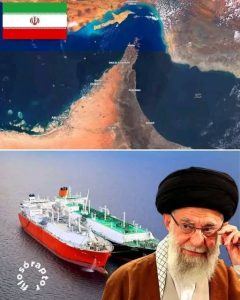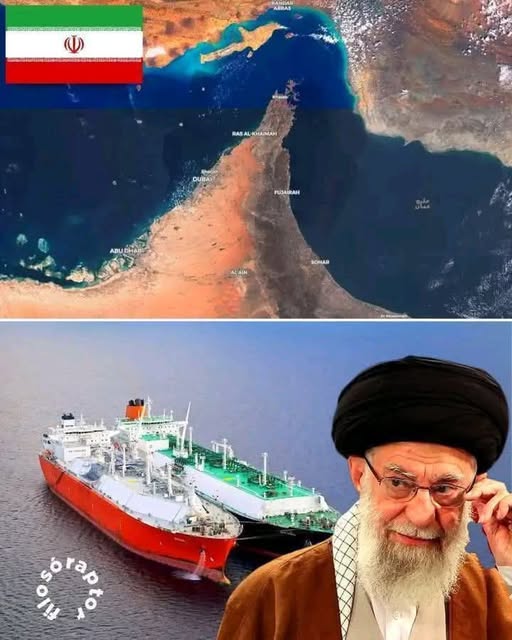
BREAKING: In a dramatic development that could have major consequences for global trade and regional security, the Iranian parliament has reportedly approved a measure supporting the closure of the Strait of Hormuz, one of the most strategically important waterways in the world. The decision, which still depends on further approval from national security authorities, has already triggered concern among international governments, energy markets, and military analysts.
The Islamic Consultative Assembly debated the proposal during an emergency session following rising tensions in the region. Lawmakers supporting the measure argued that closing the strait could serve as a response to economic pressure and security threats directed at the country.
Although the parliament’s vote signals political support, the final decision to implement such a move would ultimately involve Iran’s military and national leadership, including the Islamic Revolutionary Guard Corps, which is responsible for protecting the country’s strategic waterways.
Why the Strait of Hormuz Matters
At the center of the crisis is the Strait of Hormuz, a narrow shipping route that connects the Persian Gulf to the open ocean. Despite being only about 21 miles wide at its narrowest point, it carries a massive portion of the world’s oil supply.
Energy analysts estimate that around 20% of global oil shipments pass through the strait every day. Tankers transporting crude oil and liquefied natural gas from major producers such as Saudi Arabia, United Arab Emirates, Kuwait, and Iraq all rely on this route.
If shipping were interrupted, energy markets worldwide could face immediate disruption.
Experts warn that even the threat of closure can push oil prices sharply higher because traders fear supply shortages.
Global Economic Impact
The potential closure of the strait could send shockwaves through the global economy. Oil is still a critical resource for transportation, manufacturing, and electricity production. If tanker traffic were blocked, the supply of oil reaching international markets could decline dramatically.
Countries that rely heavily on imported energy—particularly in Asia and Europe—would likely feel the impact first.
Energy analysts say the consequences could include:
- Rapid increases in fuel prices
- Disruptions to shipping and global trade
- Rising inflation in many economies
- Volatility in stock markets
Because oil prices influence transportation and manufacturing costs, a major disruption could eventually affect everyday consumer prices as well.
Military Tensions in the Region
The Strait of Hormuz has long been a focal point of geopolitical tension. Naval forces from several countries regularly patrol the area to ensure the safety of commercial shipping.
Among the most prominent military presences is the United States Navy, which operates fleets in the region to protect maritime traffic.
Military analysts say that closing the strait would likely require significant actions such as deploying naval vessels, laying sea mines, or restricting ship movements. Any of these actions could dramatically increase the risk of confrontation between regional forces and international navies.
Because the waterway is so narrow and heavily trafficked, even small incidents could quickly escalate into larger conflicts.
Possible Responses from the International Community
The international response to such a move would likely be swift. Countries dependent on oil shipments would have strong incentives to ensure that the strait remains open.
Diplomatic channels would almost certainly be activated immediately. International organizations and major powers could push for negotiations aimed at preventing further escalation.
In addition, global maritime law generally protects the right of commercial ships to pass through international waterways. Attempts to block major shipping lanes often draw strong reactions from multiple governments.
Military experts say the most likely initial responses would include:
- Increased naval patrols
- Diplomatic negotiations
- Economic pressure
- Emergency energy supply planning
Governments may also begin releasing oil from strategic reserves to stabilize markets if supply disruptions occur.
Oil Markets React
Even before any actual closure occurs, financial markets often react quickly to geopolitical developments in the Gulf region. Traders monitor news from the Strait of Hormuz closely because of its enormous importance to global energy supplies.
When tensions rise, oil prices often surge as investors anticipate potential supply shortages. This reaction can occur within minutes of major announcements.
Energy companies, shipping firms, and government agencies frequently maintain contingency plans for such scenarios. These plans include alternative shipping routes, pipeline adjustments, and coordinated emergency energy releases.
Strategic Importance Beyond Oil
While oil shipments are the most widely discussed aspect of the strait, the waterway is also vital for other forms of commerce. Many cargo ships carrying industrial materials, consumer goods, and liquefied natural gas also pass through the area.
Disruptions could therefore affect not only energy supplies but also broader global trade networks.
For countries in the Gulf region, the strait is essentially the primary gateway to international markets. Any closure would impact their own exports as well, making the situation complex from an economic perspective.
Uncertainty About Next Steps
Although the parliamentary vote signals strong political messaging, it does not automatically mean that the strait will be closed. Decisions involving international waterways typically require coordination among multiple government and military authorities.
Observers say the announcement may also be intended as a strategic signal during ongoing regional tensions.
In many geopolitical situations, statements about closing shipping routes are used as warnings or bargaining tools rather than immediate operational plans.
A Situation the World Is Watching
For now, governments, energy markets, and military analysts around the world are closely monitoring developments.
Because the Strait of Hormuz plays such a central role in global energy supply, even the possibility of disruption attracts enormous attention.
Diplomatic negotiations and military deterrence efforts will likely intensify in the coming days as leaders attempt to prevent further escalation.
What happens next could influence not only the security landscape of the Middle East but also the stability of the global economy. As events continue to unfold, international attention remains fixed on one of the world’s most critical maritime chokepoints and the decisions that may determine its future.