US Helicopter Base Hit in Kuwait and Iran’s Retaliatory Attacks After Strikes on U.S. Military in Bahrain
A Full Explanation of the 2026 Middle East Conflict
The Middle East entered one of its most dangerous military crises in decades in early 2026, when tensions between the United States, Israel, and Iran erupted into open conflict. What began as targeted military strikes quickly expanded into a multi-country confrontation involving missile attacks, drone warfare, naval threats, and growing fears of a regional war.
Understanding how a U.S. installation in Kuwait came under attack requires tracing the chain of escalation that unfolded step by step.
1. The Spark: U.S.–Israeli Strikes on Iran
The conflict officially intensified on February 28, 2026, when the United States and Israel launched coordinated strikes against Iranian military and nuclear facilities.
The operation followed months of rising tensions over Iran’s nuclear program and regional influence. According to multiple reports, the strikes targeted:
- Missile bases
- Military command centers
- Infrastructure linked to nuclear development
- Senior Iranian leadership locations
These attacks marked a dramatic shift from proxy confrontation to direct military confrontation between the U.S. and Iran.
Iran viewed the operation as an act of war — and promised retaliation across the region.
2. Why Gulf Countries Became Targets
Iran’s strategy was not to fight only inside its own territory. Instead, Tehran targeted U.S. military assets stationed across the Persian Gulf, where thousands of American troops are based.
Key U.S. locations in the region include:
- Bahrain — headquarters of the U.S. Navy Fifth Fleet
- Kuwait — logistics and air support hubs
- Qatar — large U.S. airbases
- UAE and Saudi Arabia — strategic defense infrastructure
Because these countries host American forces, Iran considered them legitimate military targets.
Missiles and drones were launched toward multiple Gulf states simultaneously, signaling Iran’s intent to widen the conflict beyond a single battlefield.
3. Strike on U.S. Military Facilities in Bahrain
One of the earliest major retaliatory attacks hit Bahrain, home to the U.S. Navy’s Fifth Fleet.
Iranian missiles and drones targeted installations near Manama, damaging buildings and injuring personnel. Civilian casualties also occurred when missile debris struck populated areas.
The Bahrain attack served two purposes:
- Demonstrate Iran could strike core U.S. naval operations.
- Warn Gulf allies that supporting Washington carried risks.
The strike marked the first direct Iranian attack on a central American military command facility in the region.
4. Kuwait: Reports of a U.S. Base or Helicopter Facility Hit
Soon after Bahrain, attention shifted to Kuwait, where Iranian retaliation intensified.
Iran launched waves of ballistic missiles and drones targeting American and allied installations inside the country. Military sites used for logistics, aviation operations, and troop support were among the targets.
Reports circulating online described a U.S. helicopter or aviation base being hit — likely referring to attacks on facilities supporting air operations and ground forces stationed there.
Key confirmed developments included:
- U.S. and allied bases struck or threatened
- Multiple drones and missiles intercepted by air defenses
- Aircraft losses and damage during the chaos
- Casualties among military personnel and civilians
Gulf air-defense systems intercepted many incoming weapons, preventing far greater destruction.
Even so, the attacks proved Iran could penetrate regional defenses and threaten American troops stationed far from Iranian borders.
5. The War Expands Across the Region
Iran’s retaliation did not stop with Bahrain and Kuwait.
Satellite imagery and military assessments show strikes or attempted strikes across at least nine countries in the Middle East, including energy facilities and military targets.
The conflict rapidly spread to:
- Israel and Lebanon
- Syria
- Gulf energy infrastructure
- Maritime routes in the Persian Gulf
Drone attacks even disrupted airports, ports, and shipping routes, highlighting how modern warfare now blends military and economic targets.
6. The Strait of Hormuz Crisis
One of the most dangerous developments came when Iran threatened — and partially enforced — restrictions in the Strait of Hormuz, the narrow waterway through which a large portion of the world’s oil supply travels.
Closing or disrupting this route immediately caused:
- Global oil price spikes
- Shipping delays
- Fears of worldwide economic shock
U.S. leadership warned Iran to reopen the strait or face massive retaliation, raising fears that the conflict could escalate into full-scale war.
7. Air Combat and Rescue Operations
As fighting intensified, air battles became increasingly frequent.
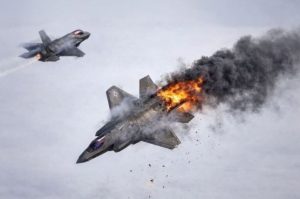
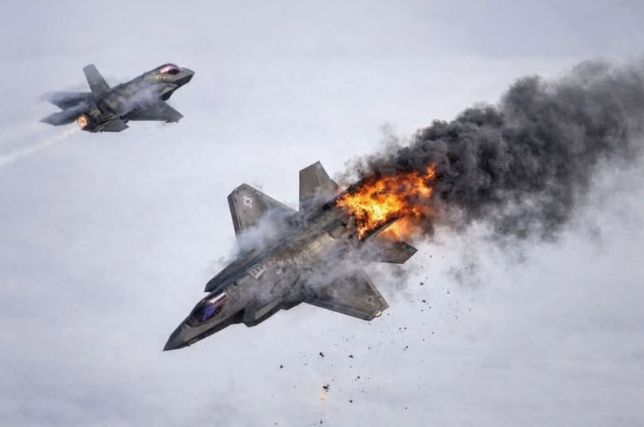
A U.S. fighter jet was shot down during combat operations over Iran, triggering a dramatic special-forces rescue mission deep inside Iranian territory. The operation involved hundreds of troops and direct clashes between American and Iranian forces.
The rescue symbolized how the conflict had evolved beyond limited strikes into sustained military engagement.
8. Why Iran Chose Retaliation Instead of Direct Invasion
Iran’s strategy reflects asymmetric warfare:
Instead of invading neighboring countries, Iran focused on:
- Missile strikes
- Drone swarms
- Proxy militia operations
- Economic disruption
This approach allows Iran to challenge U.S. power while avoiding a conventional war it might struggle to win outright.
Gulf governments have warned that Iran-backed militias and proxy groups could further destabilize the region.
9. Humanitarian and Global Consequences
The conflict’s impact extends far beyond military targets.
Reports indicate:
- Thousands killed across Iran and Lebanon
- Civilian infrastructure damaged
- Energy markets destabilized
- Airlines suspending flights
- International diplomacy scrambling for ceasefire talks
The war has also drawn concern from global powers such as China and Russia, who are pushing diplomatic solutions to prevent escalation into a wider international confrontation.
10. Why the 2026 Conflict Is So Dangerous
Analysts warn that this crisis is uniquely risky because it combines several volatile factors:
- Direct U.S.–Iran combat
- Israeli involvement
- Attacks across multiple sovereign countries
- Threats to global oil supply
- Advanced drone and missile warfare
Unlike earlier Middle East tensions, this conflict involves simultaneous battles across land, sea, air, and economic systems.
11. What Happens Next?
As of early April 2026:
- Iran continues missile and drone operations.
- The U.S. and Israel maintain airstrikes on Iranian targets.
- Negotiators are attempting a possible temporary ceasefire.
- Military forces remain on high alert across the Gulf.
Diplomatic efforts aim to prevent the situation from escalating into a prolonged regional war — but the risk remains extremely high.
Final Perspective
The reported strike on a U.S. helicopter or military base in Kuwait is not an isolated event. It represents one piece of a much larger confrontation triggered by U.S.–Israeli strikes on Iran and followed by sweeping Iranian retaliation across the Middle East.
What began as targeted military action has evolved into a complex regional conflict involving multiple nations, global economic risks, and the possibility of further escalation.
The 2026 Middle East conflict is still unfolding — and its outcome may reshape regional security, global energy markets, and international relations for years to come.