The Silent Ticking Clock: Inside the Heart-Wrenching Reality of Israel’s High-Stakes Secret Operations
In the modern Middle East, wars are no longer fought only with tanks, missiles, and soldiers marching across borders. Much of the conflict unfolds in silence — hidden behind encrypted communications, undercover agents, cyber networks, and decisions made in dimly lit intelligence rooms. For Israel, survival has long depended not only on military strength but on secret operations conducted far from public view. These missions operate like a silent ticking clock, constantly racing against threats that leaders believe could emerge without warning.
A Nation Built on Intelligence
From its earliest days, Israel understood that geography offered little margin for error. Surrounded by adversaries and facing repeated wars since its founding in 1948, the country developed one of the world’s most sophisticated intelligence systems. At the center of this structure stands the Mossad — Israel’s foreign intelligence agency responsible for espionage, covert operations, and strategic analysis.
Unlike traditional militaries, intelligence services operate in ambiguity. Success often remains classified, while failure becomes headline news. Israeli doctrine emphasizes prevention: stopping threats before they reach Israeli soil. That philosophy shaped decades of covert missions targeting hostile networks, weapons programs, and militant organizations across the region.
The Shadow War Against Iran
In recent years, Israel’s secret operations have focused intensely on Iran, viewed by Israeli leadership as its most dangerous strategic rival. Intelligence reports describe a prolonged “shadow war” fought through sabotage, cyberattacks, and targeted strikes rather than conventional battles.
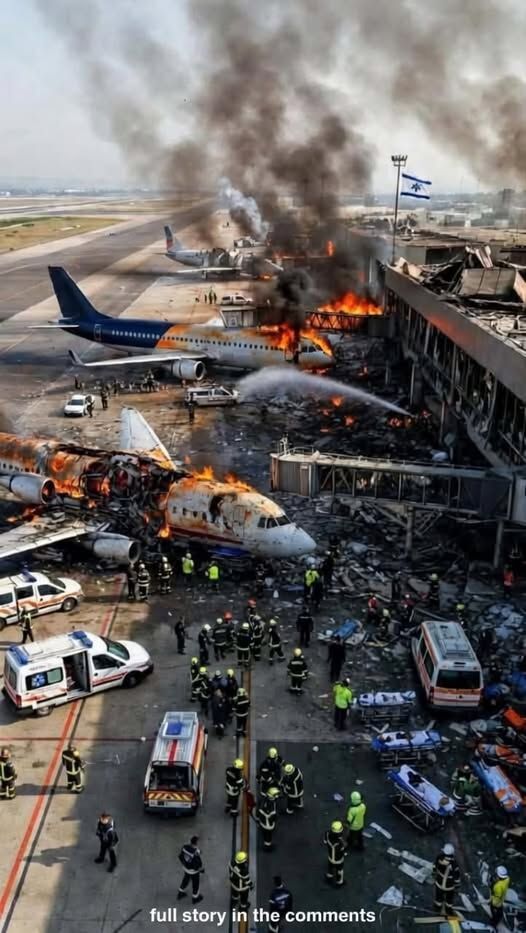
During the 2025 conflict period, Israeli intelligence played a central role in identifying and eliminating senior Iranian military officials and nuclear scientists while supporting attacks on missile and nuclear infrastructure. Hundreds of agents reportedly contributed intelligence that guided military strikes.
These operations reveal how modern warfare blends intelligence and technology. Israeli operatives reportedly used advanced surveillance networks, drones, and cyber infiltration to weaken defenses before any aircraft ever entered hostile airspace.
What appears to the public as a sudden strike is often the result of years — sometimes decades — of preparation.
Intelligence in the Age of Artificial Intelligence
The newest frontier of secret operations lies in artificial intelligence. Reports indicate Israel has developed long-running AI systems capable of analyzing enormous volumes of data to locate high-value targets with unprecedented precision.
These systems study patterns of life — daily routines, travel routes, communication habits — allowing intelligence planners to predict movements rather than merely react to them. In one widely discussed operation, long-term surveillance reportedly included hacking traffic cameras in Tehran to map movements before a decisive strike.
Technology has transformed espionage into something closer to predictive warfare. Decisions now unfold at machine speed, raising both strategic advantages and deep ethical questions about automation in lethal operations.
The Human Cost Behind the Secrecy
Behind every covert mission lies a profound emotional burden rarely acknowledged publicly. Intelligence officers operate without recognition, often unable to share their achievements — or their fears — even with family members. Agents live double lives, maintaining false identities while working inside hostile territories.
The stakes are intensely personal. Discovery can mean imprisonment or death. Failure could trigger regional war.
Israeli society carries its own psychological weight. Citizens live with the awareness that many threats never become public because they were stopped quietly. The absence of catastrophe often masks the constant tension beneath everyday life.
Operations Without Borders
Modern Israeli covert actions extend far beyond physical battlefields. Intelligence agencies increasingly recruit local dissidents, cyber specialists, and regional partners to conduct operations indirectly. Reports suggest a strategic shift toward leveraging non-Israeli actors inside adversary states, reducing risk while expanding reach.
Cyber warfare has become equally central. Israel and Iran now battle in digital space, targeting infrastructure, intelligence systems, and psychological influence campaigns. Cyber attacks aim not only to disable technology but to create uncertainty and fear — a form of warfare fought inside minds as much as machines.
Preventing the Next Attack
Israel’s intelligence philosophy revolves around anticipation. Officials often describe their work as preventing tomorrow’s war today. Recent counterterrorism actions illustrate this approach, including dismantling militant networks operating across borders before attacks could occur.
Such missions rarely receive global attention. Yet they shape regional stability by disrupting plots long before they become visible crises.
Still, prevention carries risks. Intelligence assessments are never perfect. Analysts must interpret incomplete information, balancing urgency against uncertainty. Miscalculation can escalate tensions, drawing multiple nations into confrontation.
Ethical Dilemmas in Covert Warfare
Israel’s secret operations provoke intense international debate. Supporters argue that pre-emptive intelligence saves lives by stopping attacks before civilians are harmed. Critics contend that assassinations, cyber sabotage, and covert interference undermine international law and risk widening conflict.
The rise of AI-driven targeting intensifies these questions. When algorithms help decide life-and-death outcomes, responsibility becomes harder to define. Military necessity, national survival, and moral accountability collide in ways previous generations never faced.
Even within Israel, discussions continue over how far intelligence operations should go and whether secrecy erodes democratic oversight.
Living Under the Silent Clock
For Israeli leaders, intelligence work resembles listening to a clock that never stops ticking. Each second represents a potential threat — a missile launch, a terrorist plot, a cyber intrusion, or a regional escalation.
Former intelligence officials often describe the job as managing uncertainty rather than eliminating danger. Success means crises that never happen, wars that never begin, and attacks the public never hears about.
Yet the constant vigilance carries emotional exhaustion. Intelligence officers must assume that somewhere, at any moment, an adversary is planning the next move.
The Future of Invisible Wars
The nature of conflict is changing rapidly. Tomorrow’s battles may rely less on armies and more on data, algorithms, covert alliances, and psychological influence. Israel’s secret operations illustrate how nations increasingly fight wars without declaring them.
Autonomous cyber systems, AI surveillance, and decentralized intelligence networks are reshaping global security. The boundary between war and peace grows increasingly blurred.
For Israel, surrounded by geopolitical volatility, covert action remains a central pillar of national defense. The silent operations unfolding across borders, servers, and hidden networks reflect a reality in which survival depends not only on strength but on foresight.
Conclusion
The heart-wrenching reality of Israel’s high-stakes secret operations lies in their paradox: they are both invisible and enormously consequential. Behind ordinary daily life exists a world of spies, analysts, hackers, and decision-makers racing against time to prevent disaster.
The public rarely sees this hidden struggle. There are no victory parades for missions that remain classified, no monuments for threats quietly neutralized. Yet these operations shape the balance of power across the Middle East and beyond.
The silent ticking clock continues — measuring not just seconds, but risks, choices, and the fragile line between security and chaos. In that unseen space, Israel’s secret wars persist, unfolding in shadows where history is written long before the world realizes it has changed.