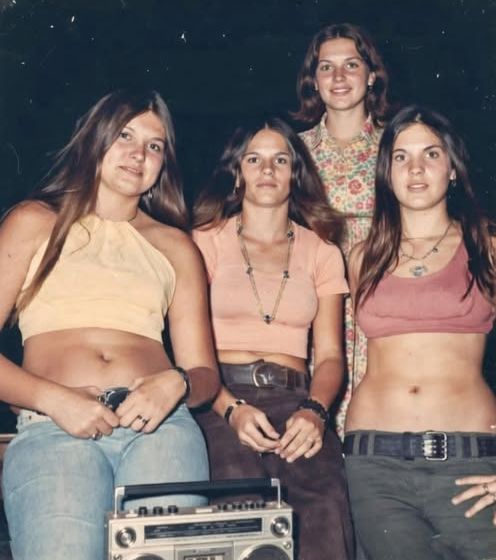
Women in the 70s… What Do You Notice?
When people look back at photographs or memories from the 1970s, one thing becomes immediately clear: women were changing — not only in how they dressed, but in how they lived, spoke, worked, and defined themselves. The decade stands as one of the most transformative periods for women in modern history. It was a time when tradition met rebellion, when expectations were questioned, and when identity expanded beyond long-standing social boundaries.
So what do we notice about women in the 70s? The answer lies in style, attitude, independence, and cultural revolution.
A Visible Shift in Confidence
One of the first things people notice about women in the 70s is confidence. The posture, expressions, and energy captured in photos reveal women who were beginning to claim space in society in new ways.
Earlier decades often emphasized conformity — polished appearances, strict gender roles, and limited public voices. By contrast, women of the 1970s appeared freer and more self-assured. They looked directly at cameras, laughed openly, and embraced individuality rather than perfection.
This confidence was not accidental. It reflected broader social movements encouraging women to see themselves not only as caregivers or supporters, but as decision-makers and leaders.
Fashion as Self-Expression
The 1970s may be one of the most recognizable fashion eras ever, and women were at the center of it. What stands out immediately is diversity in style.
Unlike previous decades dominated by a single look, the 70s allowed women to experiment:
- Bell-bottom jeans and flowing blouses
- Maxi dresses and bold patterns
- Platform shoes and oversized sunglasses
- Natural hair, afros, waves, and unapologetic texture
- Earth tones alongside vibrant disco colors
Fashion became a declaration of identity. A woman’s clothing could signal activism, artistic spirit, professional ambition, or carefree individuality.
The rise of casual wear also reflected changing lifestyles. Women were working, traveling, studying, and socializing in ways that required comfort as well as style.
The Influence of the Women’s Movement
Behind the visual transformation was a powerful social shift. The women’s liberation movement gained momentum during the late 1960s and expanded throughout the 1970s.
Women demanded equal opportunities in education, employment, and law. Conversations about pay equality, workplace rights, reproductive freedom, and personal autonomy entered everyday discussion.
What we notice in photos is subtle but meaningful: women standing together at rallies, speaking into microphones, marching confidently, or participating in political conversations previously dominated by men.
The 70s woman was not silent. She questioned norms and advocated for change.
Entering the Workforce in New Ways
Another major observation is how women appeared in professional settings. Increasing numbers pursued careers beyond traditional roles.
Women became:
- Journalists
- Lawyers
- Scientists
- Pilots
- Business executives
- Professors
Office fashion evolved alongside these changes. Pantsuits became symbols of professional equality, allowing women to navigate workplaces previously structured for men.
Photographs from the era often show women seated at desks, leading meetings, or working in industries that had rarely welcomed them before. The shift was gradual but unmistakable.
The Rise of Independence
Women in the 70s increasingly lived independently — financially, socially, and emotionally. Many delayed marriage, pursued higher education, or chose personal fulfillment alongside family life.
This independence influenced culture profoundly. Media began portraying women as complex individuals with ambitions, struggles, humor, and agency.
You notice a sense of exploration: women traveling alone, forming creative communities, and redefining relationships. Personal freedom became an achievable goal rather than a distant dream.
Natural Beauty and Authenticity
Another striking feature of 1970s women is the embrace of natural beauty. Heavy, structured makeup gave way to softer, more relaxed styles. Skin tones looked natural, hair appeared less rigidly controlled, and individuality replaced uniform glamour.
This aesthetic reflected deeper philosophical ideas emerging at the time — authenticity mattered more than perfection.
Women were redefining beauty standards, showing that attractiveness did not require strict conformity. Confidence, personality, and uniqueness became part of what people admired.
Cultural and Artistic Influence
Women of the 1970s also shaped music, film, literature, and art. Female musicians, writers, and performers explored themes of identity, freedom, and emotion with unprecedented openness.
Artistic expression allowed women to tell their own stories rather than being portrayed solely through male perspectives. Songs addressed independence and heartbreak honestly; films introduced more complex female characters; literature explored inner life and social expectations.
This cultural presence amplified women’s voices worldwide, influencing future generations.
Changing Relationships and Social Norms
Looking at the 70s also reveals changing ideas about relationships. Traditional expectations surrounding dating, marriage, and gender roles began evolving.
Couples negotiated partnership differently, with increasing emphasis on mutual respect and shared responsibility. Conversations about equality extended into home life, parenting, and emotional communication.
The era encouraged people to rethink what partnership meant — moving from hierarchy toward cooperation.
Diversity of Identity
Perhaps one of the most important things we notice is diversity. There was no single “type” of woman in the 1970s.
Some embraced bohemian lifestyles influenced by the counterculture movement. Others pursued corporate careers. Some became activists; others focused on family life while still benefiting from expanding freedoms.
The decade allowed multiple versions of womanhood to exist simultaneously. Women could choose paths rather than inherit them.
Challenges Still Present
While the decade brought progress, it was not without struggle. Women still faced discrimination, wage gaps, and social resistance to change. Progress required persistence and courage.
Many women navigated conflicting expectations — balancing traditional pressures with emerging freedoms. The photos may show joy and style, but behind them were real battles for recognition and equality.
Acknowledging these challenges makes the achievements of the era even more significant.
Lasting Impact on Today’s World
When we observe women in the 70s, we are also looking at the foundation of modern society. Many freedoms taken for granted today grew from conversations and activism of that decade.
Workplace equality initiatives, educational opportunities, and cultural acceptance of diverse lifestyles all trace roots to this period of transformation.
The confidence visible in those images continues to influence how women see themselves today — capable, independent, expressive, and powerful.
What We Truly Notice
So what do we notice about women in the 70s?
We notice courage.
We notice experimentation.
We notice authenticity.
We notice transition.
It was a decade where women stepped forward — not all at once, not perfectly, but undeniably. They reshaped expectations about beauty, career, identity, and freedom.
The photographs and memories remain compelling because they capture a turning point in history: the moment when women collectively began redefining what was possible.
Conclusion
Women in the 1970s were not simply following trends; they were creating a new social landscape. Their fashion reflected freedom, their voices demanded equality, and their lives demonstrated expanding possibilities.
Looking back, we see more than vintage clothing or nostalgic imagery. We see determination, cultural change, and the beginnings of a modern understanding of womanhood.
The 70s remind us that progress often looks like ordinary people choosing to live differently — choosing authenticity over expectation, independence over limitation, and confidence over silence.
And perhaps that is the most powerful thing we notice of all: women discovering, and proudly claiming, the right to define themselves.