That Gross Yellow Ring? Here’s How I Actually Got Rid of Toilet Stains
Let’s be honest — few household problems are more frustrating than the stubborn yellow ring that forms inside a toilet bowl. You scrub, flush, try another cleaner, scrub again… and somehow that ugly stain keeps coming back like it owns the place.
For months, I ignored mine.
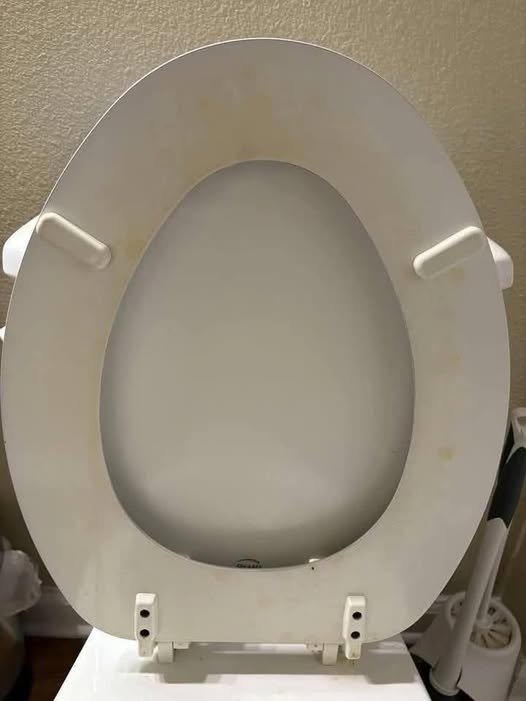
At first, it was barely noticeable. Just a faint discoloration around the waterline. I assumed a quick cleaning would fix it. But over time, the stain darkened into a thick yellow ring that refused to disappear no matter how hard I tried.
If you’ve ever dealt with this, you know the feeling: embarrassment when guests visit, annoyance every time you clean, and confusion about why regular toilet cleaner simply doesn’t work.
Eventually, I decided enough was enough. I wanted a real solution — not another temporary fix.
Here’s exactly how I finally got rid of it.
Why That Yellow Ring Happens
Before solving the problem, I had to understand it.
That yellow or brown ring usually isn’t dirt at all. It’s mineral buildup caused by hard water. Hard water contains calcium, magnesium, iron, and other minerals that cling to surfaces over time. Every flush leaves tiny deposits behind, and eventually they harden into stubborn stains.
Normal cleaning products often fail because they’re designed to remove bacteria and grime, not mineral scale.
So the problem wasn’t that I wasn’t cleaning enough — I was using the wrong approach.
My Failed Attempts (So You Don’t Repeat Them)
Like most people, I started with the obvious solutions:
- Regular toilet bowl cleaner
- Bleach
- Extra scrubbing with a brush
- Disposable cleaning tablets
None of these worked long-term.
Bleach made the bowl look brighter temporarily but didn’t remove the ring itself. Scrubbing harder only scratched the surface slightly while leaving the mineral deposit intact.
At one point, I even considered replacing the entire toilet.
Thankfully, I didn’t.
The Turning Point
One weekend, after another unsuccessful cleaning session, I researched mineral stains specifically instead of general cleaning tips. That’s when I realized the key difference:
Mineral stains require acid-based cleaning, not disinfecting.
Once I understood that, everything changed.
Step 1: Lower the Water Level
This step made a bigger difference than I expected.
The stain usually sits right at the waterline, meaning cleaners get diluted immediately. To fix this, I shut off the water supply valve behind the toilet and flushed once to empty most of the bowl.
You don’t need to drain it completely — just enough to expose the stained area.
Suddenly, I could actually treat the stain directly.
Step 2: Use the Right Cleaner
Instead of regular cleaner, I switched to a mild acidic solution.
There are several options:
- White vinegar
- Citric acid cleaner
- Descaling solutions designed for mineral buildup
I poured a generous amount around the stained ring and let it sit.
This part requires patience.
For years I had scrubbed immediately after applying cleaner, but mineral deposits need time to break down. I waited about 30 minutes — sometimes longer for heavier stains.
During that time, the acid slowly softened the hardened minerals.
Step 3: The Unexpected Hero — A Pumice Stone
This was the game changer.
I had always assumed pumice stones were too abrasive, but when used correctly, they safely remove mineral buildup without damaging porcelain.
Here’s what I learned:
- Wet the pumice stone first
- Gently rub the stain (no aggressive pressure)
- Keep the surface wet at all times
As soon as I started scrubbing lightly, the yellow ring began disappearing almost instantly.
After months of frustration, watching the stain fade felt incredibly satisfying.
Within minutes, sections of the bowl looked brand new again.
Step 4: Rinse and Repeat
Some areas needed a second treatment. I reapplied vinegar, waited again, and lightly scrubbed once more.
By the end of the process, the ring was completely gone.
Not faded.
Not hidden.
Gone.
The toilet looked newer than it had in years.
Step 5: Preventing the Ring From Coming Back
Removing the stain was only half the battle. I didn’t want to repeat the entire process a few months later.
Here’s what actually worked for maintenance:
1. Weekly Quick Clean
A short weekly wipe prevents minerals from hardening again.
2. Vinegar Soak Once a Month
I pour vinegar into the bowl before bed and let it sit overnight.
3. Keep Brushes Clean
Dirty toilet brushes spread residue instead of removing it.
4. Avoid Overusing Bleach Tablets
Some tablets accelerate mineral buildup or damage internal parts.
5. Flush Regularly
Unused toilets develop rings faster because standing water leaves more deposits.
What Surprised Me Most
The biggest surprise wasn’t the cleaning method — it was realizing that the problem had nothing to do with hygiene.
That yellow ring doesn’t mean your bathroom is dirty. It’s simply chemistry at work.
Hard water exists in many homes, and mineral buildup happens slowly enough that most people don’t notice until it becomes stubborn.
Once you treat it correctly, though, it’s completely manageable.
Common Mistakes People Make
After fixing my own toilet, I noticed several mistakes people often repeat:
- Scrubbing too hard instead of using the right cleaner
- Expecting instant results
- Using disinfectants instead of descalers
- Ignoring early discoloration
The earlier you address mineral stains, the easier they are to remove.
The Confidence Boost No One Talks About
It might sound funny, but fixing this small household problem felt oddly empowering.
There’s something satisfying about solving an issue you’ve struggled with for months using simple knowledge instead of expensive products or replacements.
Now I don’t panic before guests arrive or secretly hope nobody notices the bathroom.
It’s clean — truly clean — and easy to maintain.
Final Thoughts
If you’re staring at that stubborn yellow ring right now, know this:
You’re not alone, and you’re not doing anything wrong.
You just need the right method.
Lower the water level, use an acid-based cleaner, give it time to work, and gently remove the buildup. Once you understand what causes the stain, it stops feeling impossible to fix.
Sometimes the most annoying household problems aren’t about effort — they’re about understanding the science behind them.
And honestly?
Seeing that spotless white bowl after finally winning the battle against toilet stains might be one of the most unexpectedly satisfying victories in home cleaning.