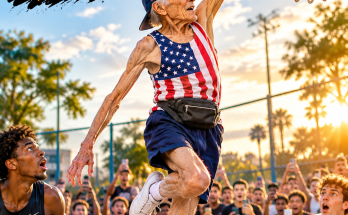
HT17: Nobody Talks About This — The Hidden Truth About Aging Men
“Nobody talks about this.”
It’s a phrase often attached to subjects people feel uncomfortable discussing openly. When it comes to aging, especially male aging, silence tends to replace honest conversation. Society celebrates youth loudly but treats growing older as something to hide, joke about, or quietly endure.
Yet aging is not decline alone. It is transformation — physical, emotional, psychological, and even social.
The truth is, many aspects of older men’s lives remain misunderstood simply because few people speak about them honestly.
The Myth of Aging as Loss
For decades, popular culture has portrayed aging men in predictable ways: slower, weaker, less energetic, and increasingly disconnected from modern life.
While aging does bring biological changes, research and real-life experience tell a far more complex story.
Older men often gain qualities that younger generations are still developing:
- Emotional stability
- Patience
- Confidence grounded in experience
- Improved decision-making
- Greater self-awareness
These traits rarely make headlines, yet they shape how aging men live, love, and interact with the world.
Physical Changes: What Actually Happens
As men grow older, their bodies naturally change. Hormone levels gradually shift, metabolism slows, and recovery from physical exertion may take longer.
But aging is not simply deterioration.
Many men in later life become more attentive to health than they were in their twenties or thirties. Regular exercise, balanced nutrition, and medical awareness often improve with age.
Doctors frequently note that men who adopt healthy habits in midlife can maintain strength, mobility, and vitality well into their seventies and beyond.
The body adapts — and adaptation is a form of resilience.
Experience Shapes Confidence
One topic rarely discussed openly is confidence.
Younger men often measure self-worth through achievement, competition, or external validation. With age, many men shift toward internal stability.
They become less concerned with impressing others and more focused on authenticity.
This psychological shift can be powerful. Conversations deepen. Relationships grow more meaningful. Decisions become less impulsive and more intentional.
Confidence rooted in experience tends to be quieter but stronger.
It no longer needs constant proof.
Emotional Growth Over Time
Another overlooked truth about aging men is emotional evolution.
Earlier generations of men were often discouraged from expressing vulnerability. Emotions were hidden behind expectations of toughness and independence.
As men age, many begin unlearning those restrictions.
They reconnect with family. They value friendships more deeply. They develop empathy shaped by successes, failures, and personal losses.
Psychologists sometimes refer to this stage as emotional integration — the process of understanding one’s life story as a whole rather than a series of achievements or mistakes.
Older men often become better listeners, mentors, and caregivers because of this emotional maturity.
Relationships Change — And Improve
Romantic and social relationships also evolve with age.
Younger relationships may center around attraction, ambition, or shared goals. Later in life, connection often becomes more about companionship, understanding, and emotional safety.
Communication improves because older individuals generally know themselves better. They recognize what they need and what truly matters.
Many couples report greater relationship satisfaction later in life compared to earlier years, largely because expectations become more realistic and appreciation grows stronger.
Love becomes less about proving worth and more about sharing presence.
The Power of Perspective
Perhaps the greatest advantage older men possess is perspective.
Life experience provides context younger generations simply haven’t lived long enough to acquire.
They have witnessed change — economic shifts, cultural evolution, technological revolutions, personal triumphs, and heartbreak.
This perspective allows older men to approach challenges with calm rather than panic.
What feels overwhelming at thirty may feel manageable at sixty because they have survived difficulties before.
Experience teaches that most problems are temporary.
Health Awareness and Longevity
Another rarely discussed shift involves health awareness.
While youth often feels invincible, aging introduces awareness of mortality. Surprisingly, this realization can motivate positive change.
Many older men:
- Begin regular medical checkups
- Improve diet and exercise habits
- Prioritize mental health
- Reduce harmful behaviors
Modern medicine and increased health knowledge mean that aging today looks very different from previous generations. Men are living longer, staying active, and maintaining independence well into later decades.
Aging is increasingly about longevity with quality, not merely survival.
Society’s Silence Around Aging
Why, then, does society avoid discussing these positive aspects?
Partly because modern culture focuses heavily on youth. Advertising, entertainment, and social media often equate value with appearance or physical peak performance.
This narrative overlooks the strengths that come with age:
Wisdom.
Stability.
Depth of character.
When people say “nobody talks about this,” they are often recognizing that aging carries hidden advantages rarely celebrated publicly.
Redefining Masculinity Over Time
Aging also reshapes how masculinity itself is understood.
Younger definitions often emphasize dominance, success, or physical power. With time, masculinity can evolve into responsibility, kindness, mentorship, and emotional intelligence.
Older men frequently become anchors within families and communities — sources of guidance rather than competition.
Strength becomes less about force and more about presence.
A New Chapter, Not an Ending
One of the biggest misconceptions about aging is that it marks the closing of life’s most meaningful chapters.
In reality, many men discover new passions later in life:
- Starting creative hobbies
- Traveling
- Volunteering
- Building deeper family relationships
- Pursuing long-delayed dreams
Freedom from earlier pressures allows exploration without fear of failure.
Aging becomes an opportunity for reinvention.
The Conversation We Should Be Having
The real message behind “nobody talks about this” is simple:
Aging deserves honesty.
Growing older is not merely about what fades; it is about what emerges — wisdom replacing urgency, confidence replacing insecurity, connection replacing competition.
Older men carry stories, lessons, and emotional depth earned through decades of living.
Instead of viewing aging as decline, society might benefit from recognizing it as evolution.
Because the truth many discover with time is this:
Life does not lose meaning with age.
It often gains clarity.
And perhaps the reason nobody talks about it enough is that the most powerful transformations happen quietly — not in youth’s spotlight, but in the steady, enduring strength that comes from living long enough to truly understand oneself.