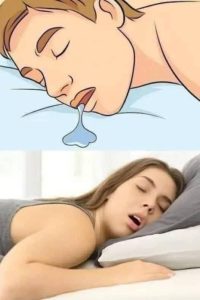
🥴 If You Drool in Your Sleep, What Does It Really Mean About Your Brain?
Waking up to a damp pillow or realizing you drooled during sleep can feel embarrassing, but it’s actually a surprisingly common and often harmless experience. Many viral posts claim dramatic explanations — saying drooling means your brain is “shutting down,” “overworking,” or revealing hidden health secrets. The truth is far more interesting and rooted in normal sleep biology.
Drooling during sleep tells us less about something being wrong and more about how your brain and body transition into deep rest.
Sleep Is When the Brain Changes Control Modes
When you fall asleep, your brain moves through several stages known collectively as the sleep cycle. These include light sleep, deep sleep, and REM (rapid eye movement) sleep.
During waking hours, your brain constantly manages voluntary actions such as swallowing, posture, and facial muscle control. But as you enter deeper sleep stages, especially deep non-REM sleep, your brain intentionally reduces muscle activity to allow full recovery.
This relaxation includes:
- Jaw muscles
- Facial muscles
- Tongue positioning
- Swallowing reflex frequency
Because swallowing happens less often while asleep, saliva can collect in the mouth — and gravity does the rest.
In other words, drooling usually means your brain successfully entered a relaxed sleep state.
Your Brain Isn’t Failing — It’s Resting Efficiently
One of the biggest myths online is that drooling indicates neurological problems. In healthy individuals, the opposite can be true.
When you sleep deeply:
- Brain activity slows in certain regions.
- The nervous system shifts into recovery mode.
- Muscle tension decreases.
- Conscious swallowing pauses.
This deep relaxation allows the brain to focus on critical overnight functions such as memory consolidation, emotional processing, and cellular repair.
Drooling often appears when people are sleeping very deeply, which many sleep specialists consider a positive sign.
The Role of Sleep Stages
Your brain cycles through sleep roughly every 90 minutes. Drooling most commonly occurs during:
Deep Non-REM Sleep
This stage supports physical restoration. Growth hormone release increases, tissues repair, and immune function strengthens.
Because muscles are highly relaxed, saliva is more likely to escape if you’re lying on your side.
REM Sleep
During REM sleep, dreams occur and the brain becomes highly active while the body remains mostly immobilized. Although REM paralysis prevents movement, saliva control may still vary depending on head position.
Drooling therefore reflects natural brain rhythms rather than dysfunction.
Sleep Position Matters More Than Brain Health
One of the biggest factors influencing drooling is simply how you sleep.
People who sleep on their side or stomach drool more often because gravity pulls saliva outward rather than back toward the throat.
Back sleepers rarely drool because saliva naturally drains backward and swallowing continues subconsciously.
So if you notice drooling, your pillow position may explain it better than any neurological theory.
Saliva Production Continues All Night
Your brain regulates saliva automatically through the autonomic nervous system. Even while unconscious, glands continue producing moisture to protect the mouth and throat.
Saliva serves essential functions:
- Prevents dry mouth
- Protects teeth from bacteria
- Maintains oral health
- Assists breathing comfort
If swallowing slows during deep relaxation, saliva accumulation becomes normal.
Think of drooling not as excess saliva but as reduced swallowing frequency.
When Drooling Can Increase
Certain everyday factors make nighttime drooling more likely:
- Sleeping deeply after exhaustion
- Nasal congestion or allergies
- Mouth breathing
- Certain medications
- Alcohol consumption before bed
- Sleeping on your side
None of these automatically indicate a brain problem.
In fact, many people notice more drooling after finally getting quality sleep following stress or sleep deprivation.
The Brain’s Overnight Maintenance Work
While you sleep, your brain performs remarkable maintenance tasks.
Scientists have discovered that during deep sleep, the brain activates a system sometimes called the “glymphatic system,” which helps clear metabolic waste products accumulated during waking hours.
This process supports:
- Memory organization
- Learning consolidation
- Emotional regulation
- Neural recovery
Because deep sleep supports these processes, drooling may indirectly signal that your brain entered a restorative phase.
Emotional and Stress Recovery
Another interesting connection involves emotional health.
People experiencing chronic stress often struggle to reach deep sleep stages. When stress finally decreases — such as during vacations or after emotional relief — they may suddenly experience heavier sleep and increased drooling.
This doesn’t mean something is wrong. It may indicate the nervous system finally feels safe enough to relax fully.
When Drooling Might Need Attention
Although usually harmless, drooling can occasionally signal a medical concern if accompanied by other symptoms.
You should consider speaking with a healthcare professional if drooling comes with:
- Difficulty swallowing while awake
- Facial muscle weakness
- Persistent choking sensations
- Severe snoring or breathing pauses
- Sudden neurological changes
Conditions like sleep apnea, severe nasal obstruction, or certain neurological disorders can sometimes contribute, though these cases are far less common than social media claims suggest.
Why Viral Claims Spread So Easily
Online posts often exaggerate everyday bodily functions because surprising statements capture attention.
Headlines like “If you drool in your sleep, your brain is…” leave readers expecting shocking revelations. But biology is usually simpler and less dramatic.
The human body performs countless automatic processes during sleep that feel strange when noticed but are completely normal.
Understanding the science replaces anxiety with reassurance.
Improving Sleep Quality
If drooling bothers you, small adjustments can help:
- Elevate your head slightly with a supportive pillow.
- Address nasal congestion or allergies.
- Practice good sleep hygiene.
- Stay hydrated.
- Maintain consistent sleep schedules.
These changes don’t “fix” the brain — they simply manage comfort and airflow.
The Bottom Line
Drooling during sleep usually means:
- Your brain entered a deeply relaxed state.
- Muscle tension decreased naturally.
- Swallowing slowed during restorative sleep.
- Your body prioritized recovery.
Rather than signaling a problem, drooling often reflects normal, healthy sleep physiology.
So the next time you wake up with a slightly damp pillow, remember: your brain wasn’t malfunctioning — it was likely doing exactly what it’s designed to do, quietly restoring your body and mind while you slept.