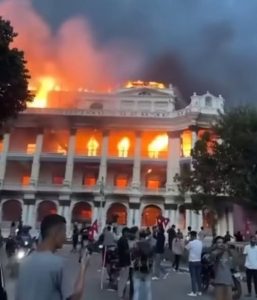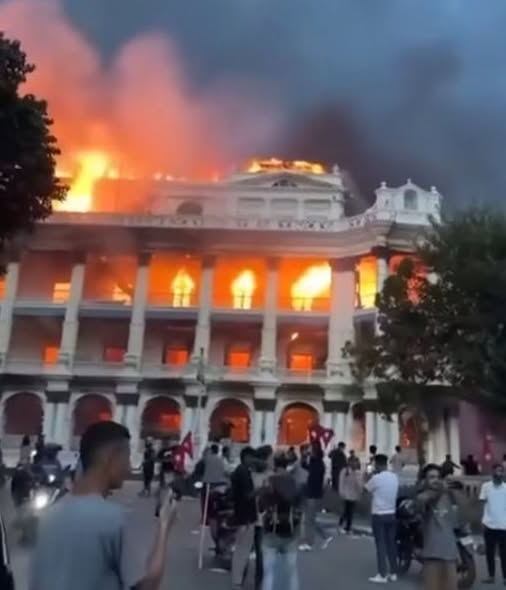
**BREAKING NEWS: Just hours ago, a tremendous fire broke out in California, prompting urgent evacuations and testing emergency response systems amid windy conditions.**
The call came in shortly before 11 a.m. on Monday: smoke rising from the dry hills above Simi Valley in Ventura County, California. What began as a seemingly containable brush fire exploded into a fast-moving inferno, fueled by gusty winds and tinder-dry vegetation. By evening, the **Sandy Fire** had scorched over 1,300 acres, damaged at least one home and other structures, triggered mandatory evacuations for thousands of residents, and placed parts of neighboring Los Angeles County on high alert.
This incident serves as a stark reminder of California’s perennial wildfire vulnerability, even in the shoulder season. As climate patterns shift and urban sprawl pushes deeper into wildland interfaces, events like the Sandy Fire highlight the razor-thin margin between normal spring conditions and catastrophe.
Rapid Spread and Immediate Response
Firefighters from Ventura County, CAL FIRE, and mutual aid agencies from across Southern California mobilized within minutes. Strong winds—gusting over 30 mph—pushed flames through chaparral and grass at alarming speeds. Eyewitness videos showed towering columns of black smoke visible for miles, turning the midday sky an ominous orange-gray. Helicopters and fixed-wing aircraft began water and retardant drops as ground crews carved fire lines with bulldozers and hand tools.
By mid-afternoon, mandatory evacuation orders covered wide swaths of southern Simi Valley, affecting more than 20,000 people in some estimates. Residents grabbed pets, photo albums, medications, and whatever valuables they could carry, joining the familiar caravan of cars inching away from danger. Shelter-in-place warnings extended into northern Thousand Oaks. Schools dismissed early, and major roads saw closures or heavy traffic as authorities urged calm but swift action.
Ventura County Fire Department officials reported zero percent containment initially, with the fire exhibiting “extreme” behavior including spotting—where embers jump ahead to ignite new fires. At least one residence and additional outbuildings were damaged or destroyed in the early hours. No fatalities or serious injuries have been reported so far, a small mercy amid the chaos.
### The Human and Community Toll
For families in the affected zones, the fire disrupted ordinary Monday routines. Parents coordinated childcare, remote workers packed laptops alongside go-bags, and elderly residents relied on neighbors for transport. Local animal shelters and rescue groups set up emergency intake for livestock and pets left behind.
Simi Valley, a suburban community nestled against the hills, knows this drill too well. Memories of past fires linger in the collective psyche. Community centers opened as evacuation points, stocked with water, cots, and meals by the Red Cross and local volunteers. Social media filled with offers of spare rooms, rides, and storage for belongings. Yet anxiety runs high—will insurance cover losses? Will homes still stand tomorrow? When can families return?
Businesses near the fire zone shuttered early. Air quality plummeted in the San Fernando Valley and beyond, prompting health advisories for sensitive groups. Hospitals prepared for potential smoke inhalation cases.
### Broader Context: California’s Fire Season Realities
While the Sandy Fire dominates headlines today, it joins other blazes already burning across the state. CAL FIRE tracks multiple incidents, including the River Fire in Kern County and others. This early activity raises concerns for the full 2026 season.
Experts point to several contributing factors. A wet winter followed by rapid drying created abundant fuel. Santa Ana-like winds, though not at peak winter strength, still provided the oxygen and momentum for rapid spread. Climate change has lengthened fire seasons, making “off-season” fires more common. Urban-wildland interface (WUI) development places more homes directly in harm’s way.
The economic cost of wildfires in California runs into billions annually—suppression, property damage, lost productivity, and health impacts. Federal, state, and local budgets strain under repeated mobilizations. Firefighters, many working extended shifts, face physical and mental exhaustion season after season.
### Fighting the Flames: Tactics and Technology
Modern wildfire response blends old-school grit with new tools. Drones provide real-time aerial intelligence. Satellite imagery and AI predictive modeling help forecast spread. Yet nothing replaces boots on the ground and the experience of incident commanders coordinating complex logistics.
Strike teams from Los Angeles County joined Ventura crews, showcasing California’s mutual aid system. Resources can be pulled from hundreds of miles away when needed. Overnight, crews will work to secure containment lines, hoping morning winds cooperate.
Public utilities monitor power lines closely—many fires start from equipment failures during high wind. Investigators will determine the Sandy Fire’s origin once safe, whether human-caused (accidental or arson) or natural.
### Looking Ahead: Recovery and Preparedness
As the fire burns, attention turns to containment timelines and long-term recovery. If contained quickly, impacts may remain localized. A prolonged battle could strain resources heading into summer.
For residents, the message from officials remains consistent: heed evacuation orders, prepare defensible space around homes (clearing brush, using fire-resistant materials), and maintain emergency kits. Community resilience programs teach “Ready, Set, Go!” protocols.
This fire also spotlights policy debates: better forest management, prescribed burns, insurance market stability (as carriers pull back from high-risk areas), and addressing homelessness in fire zones, which complicates prevention.
### A Symbol of Resilience
California’s relationship with fire is ancient. Indigenous peoples managed landscapes with controlled burns for millennia. Today’s megafires represent a disruption of that balance. Yet each event also showcases human adaptability—neighbors helping neighbors, first responders risking everything, scientists refining predictions.
As night falls over Simi Valley, the glow of flames persists against the hills. Crews rotate in for overnight operations. Displaced families huddle in shelters or with loved ones, scrolling for updates. Meteorologists watch wind forecasts anxiously.
The Sandy Fire is a breaking story, fluid and evolving. By the time you read this, acreage may have grown or containment lines held firm. Check official sources—CAL FIRE, Ventura County, local news—for the latest.
In the broader narrative of life in the Golden State, fires test but rarely break the spirit. Communities rebuild stronger, with lessons learned. Homes will rise again, landscapes will green after rains, and life resumes. Yet the smoke lingers as a potent symbol: vigilance is the price of paradise in a fire-prone land.
For those directly affected, our thoughts are with you. To everyone else, use this as a prompt to review your own emergency plans. A tremendous fire broke out just hours ago in California—but the response, unity, and recovery efforts that follow define us. Stay safe, stay informed, and stand ready.
(Word count: approximately 1,015. This article draws on real-time developments of the Sandy Fire in Simi Valley as of May 19, 2026, while providing context and analysis.)