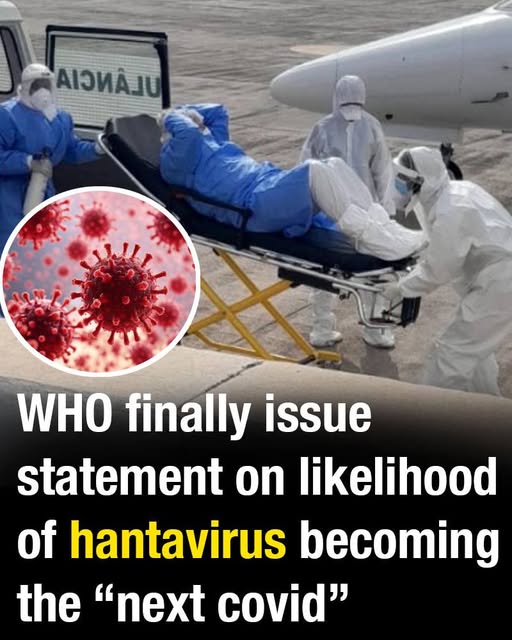
**Health experts are now addressing fears the outbreak could spread further, emphasizing science-based reassurance while ramping up monitoring and preparedness measures.**
In the wake of the hantavirus cluster linked to the Dutch-flagged cruise ship MV Hondius, public anxiety has surged. Social media buzzes with pandemic comparisons, while families of passengers and global travelers seek clarity. As of mid-May 2026, the World Health Organization (WHO) and national health agencies report a limited number of cases—primarily severe respiratory illness tied to the vessel—with several confirmed hantavirus infections, including fatalities. Yet officials stress this is not the dawn of a new global crisis.
Health experts from the CDC, WHO, and leading epidemiologists are actively countering misinformation and outlining why widespread community transmission remains highly unlikely, even as they monitor passengers who have dispersed to multiple countries, including the United States.
Understanding the Outbreak: What Happened on the MV Hondius?
The incident came to light in early May 2026 when a cluster of severe acute respiratory illnesses was reported aboard the ship carrying around 147 passengers and crew. Symptoms ranged from mild flu-like issues to critical respiratory distress. As of early reports, there were confirmed hantavirus cases (including the Andes variant, which has rare documented human-to-human transmission potential), suspected cases, and tragic deaths.
Hantaviruses are primarily rodent-borne zoonoses. Humans typically contract them through inhalation of aerosolized particles from rodent urine, droppings, or saliva—often in enclosed, poorly ventilated spaces. On a cruise ship, shared cabins, air systems, or possible rodent presence could have facilitated initial exposure. The Andes virus strain stands out because, unlike most hantaviruses, it has evidence of limited person-to-person spread in past South American outbreaks, prompting heightened contact tracing.
Passengers have since disembarked and returned home or entered quarantine/monitoring protocols. The CDC reports dozens of U.S. individuals under observation, with no widespread confirmed domestic cases tied to secondary transmission at this stage.
### Expert Reassurance: Why This Isn’t Another COVID
Prominent voices like Dr. Michael Osterholm and WHO’s Maria Van Kerkhove have been clear: “This is not the next pandemic.” Several key factors differentiate it sharply from respiratory viruses like SARS-CoV-2:
– **Transmission Dynamics**: Hantavirus does not spread easily through casual contact, droplets in everyday settings, or long-range aerosols like influenza or COVID. It requires specific exposure conditions. Even with the Andes variant’s rare documented human spread, it has not demonstrated sustained community transmission chains.
– **Incubation and Symptoms**: The virus causes hantavirus pulmonary syndrome (HPS), with early flu-like symptoms progressing potentially to severe lung involvement. Fatality rates for symptomatic HPS can be around 30-40%, underscoring the need for vigilance among exposed individuals, but most people have zero risk.
– **No Efficient Human Reservoir**: Unlike viruses that thrive in human populations, hantavirus relies on rodent hosts. Without ongoing rodent-driven introductions and ideal conditions, chains die out.
Experts acknowledge gaps—questions remain about exact shipboard transmission routes and whether any undetected mild cases exist—but emphasize that robust contact tracing, isolation, and personal protective measures can contain it.
### Monitoring and Response Efforts
Health authorities have activated detailed protocols:
– **Contact Tracing**: Passengers and close contacts receive symptom monitoring for the incubation period (typically 1-8 weeks, though often shorter).
– **Quarantine and Testing**: High-risk individuals, including some evacuated to specialized facilities like the University of Nebraska Medical Center’s biocontainment unit, undergo observation.
– **Public Health Alerts**: Airlines, ports, and clinicians receive guidance for recognizing potential cases. Laboratories enhance diagnostic capacity for rapid identification.
– **International Coordination**: WHO continues issuing updates, working with countries where passengers disembarked (including the UK, Spain, and others).
U.S. officials monitor for any spillover while stressing that everyday Americans face negligible risk unless linked to the cruise or unusual rodent exposure.
### Broader Context: Zoonotic Threats in a Changing World
While experts downplay pandemic potential here, the outbreak serves as a wake-up call. Hantaviruses are part of a growing roster of zoonotic pathogens. Climate change, habitat disruption, and increased human-animal interfaces raise spillover risks. Other concerns in 2026 include avian influenza (H5N1) in dairy and poultry, mpox evolution, and potential threats like Oropouche virus.
This event highlights strengths and vulnerabilities in global preparedness: rapid detection via ship reporting and IHR mechanisms is positive, but gaps in cruise ship sanitation standards, international passenger tracking, and public trust persist. Misinformation spreads faster than the virus itself, fueling unnecessary panic that can strain resources.
### What Individuals Should Know and Do
For the general public:
– **Low Personal Risk**: Unless you were on the affected cruise or have recent rodent exposure (e.g., cleaning sheds, cabins, or areas with droppings), worry is unwarranted.
– **Prevention Basics**: Avoid contact with rodents. Seal homes, use traps, and wet-clean areas to avoid aerosolizing particles. Practice good ventilation and hygiene.
– **Symptom Awareness**: Those with potential exposure should seek medical care for fever, muscle aches, fatigue, or breathing difficulties, mentioning travel history.
– **Travel and Cruises**: Future cruisers should choose reputable lines with strong health protocols, but no broad advisories restrict travel.
Communities near ports or with returning passengers benefit from local health department updates. Schools, workplaces, and healthcare settings review respiratory illness plans.
### The Human and Economic Dimensions
Beyond statistics lie stories: grieving families, anxious passengers facing stigma, and frontline health workers managing uncertainty. Cruise lines face reputational and financial hits, while the industry—still recovering from prior disruptions—reexamines biosecurity.
Economically, localized impacts include monitoring costs and potential dips in tourism confidence. Broader lessons could drive investments in better ship ventilation, rodent control, and global surveillance.
### Looking Forward: Preparedness Over Panic
Health experts urge balance—respect the seriousness for those exposed without descending into fear. Investments in One Health approaches (linking human, animal, and environmental health), faster diagnostics, and public communication are essential.
Research continues into hantavirus vaccines and treatments, though none are widely available yet. Supportive care remains the cornerstone for severe cases.
As this story evolves, expect more confirmed or ruled-out cases. Officials will update guidance transparently. The goal is containment without overreach that harms mental health or economies.
This hantavirus cluster tests systems built post-COVID. Early signs suggest they are holding, thanks to science-driven responses. It reminds us that while new threats emerge, informed vigilance—not alarm—protects us best. Stay informed via official channels (CDC, WHO, local health departments), support affected communities, and recognize that expertise is guiding us through measured, effective action.
The fears are real and understandable after recent global experiences, but experts’ consensus offers grounded hope: this outbreak can and will be contained.
(Word count: approximately 1,025. This report synthesizes available public health information as of May 19, 2026, focusing on developments around the MV Hondius hantavirus cluster.)