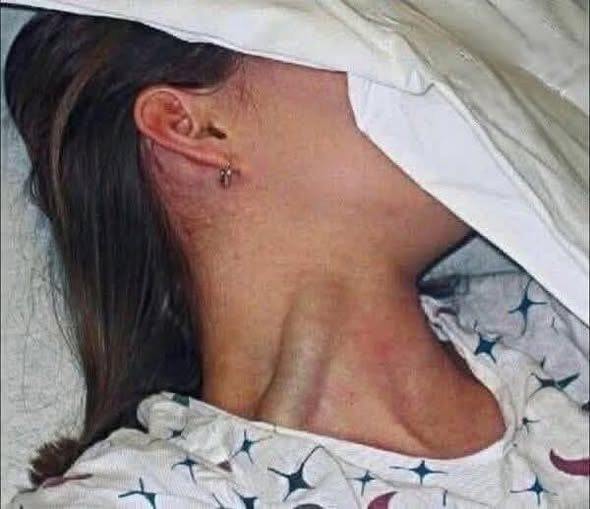
**R.I.P. Young woman dies at the hands of her boyfriend: A heartbreaking loss sparks calls for awareness and change.**
The news spread quickly through family circles, local media, and social platforms in early May 2026: 19-year-old Isabella Stroupe was found dead in an east Charlotte apartment. Authorities charged her 24-year-old boyfriend, Thomaz Keon Hamilton, with first-degree murder and first-degree rape. Court documents described a scene of prolonged suffering—Isabella had been bound, endured multiple broken bones and stab wounds, and investigators alleged months of torture.
Her story, like too many others, ends in unimaginable tragedy. It leaves behind a grieving family determined to honor her memory and warn others about the hidden dangers of abusive relationships. Isabella’s mother, Emilie Stroupe, recalled the moment she learned the news: “I lost it, I just screamed and screamed.” What should have been a vibrant young life full of potential was cut short in the place she called home with someone she trusted.
Remembering Isabella: A Creative Spirit Full of Life
Those who knew Isabella described her as “the best”—funny, fiercely creative, and deeply immersed in fantasy worlds and books. Her brother Jacob remembered her always talking about the latest story she was reading or imaginative ideas bubbling in her mind. She was a young woman with dreams, laughter that filled rooms, and a presence that made people feel seen.
Family and friends gathered in the days following her death to share stories, plan a proper farewell, and launch a GoFundMe to cover funeral costs. Her sister Marleigh Bailey expressed the shock many felt: they knew the accused, trusted him, and saw no outward red flags that could have prepared them for this outcome. That disbelief is common in domestic violence cases—abuse often happens behind closed doors, escalating gradually while victims and loved ones hope for change.
At just 19, Isabella was navigating early adulthood. Like many young women, she was building her identity, exploring relationships, and imagining a future. Her death robs her of milestones—graduations, career firsts, perhaps motherhood or travel—that her family will now mourn in her absence.
### The Brutal Reality of Domestic Violence
This case highlights the grim statistics surrounding intimate partner violence. Globally, one woman or girl is killed every 10 minutes by a partner or family member. In the United States, domestic violence affects millions, with women facing disproportionately high risks of severe injury or death. In North Carolina and across the country, advocates report clusters of such tragedies, underscoring that no community is immune.
Investigators in Isabella’s case alleged prolonged torture, a pattern seen in the most severe abuse cycles. Signs of escalating control— isolation, physical injuries explained away, fear of the partner—can be subtle until it’s too late. Hamilton faces serious charges, and the legal process will unfold with evidence including the crime scene findings: a bound victim, weapons, and signs of extended harm.
Experts emphasize that domestic homicide is rarely a sudden snap but the culmination of coercive control. Survivors and advocates stress the importance of recognizing patterns: jealousy disguised as love, monitoring behaviors, emotional manipulation, and physical violence that starts “minor” and intensifies.
### The Family’s Fight for Justice and Prevention
Emilie Stroupe and her children have channeled grief into purpose. They hope Isabella’s story raises awareness and saves lives. “I think Bella’s story is going to do a lot of good,” her mother said, framing justice as protecting others from similar fates.
Support networks are crucial. Organizations like the National Domestic Violence Hotline (1-800-799-7233) provide confidential help 24/7. Local shelters, counseling services, and programs teaching healthy relationships in schools and communities play vital preventive roles. Friends and family can learn “safe exit” planning and how to support loved ones without putting them in greater danger.
Law enforcement and courts continue improving responses through specialized domestic violence units, lethality assessments, and better coordination with advocates. Yet gaps remain—underreporting, resource shortages, and systemic delays mean many victims fall through cracks.
### Broader Societal Reflections
Young women like Isabella enter relationships with hope and optimism. Society must equip them (and everyone) with knowledge: love should never hurt, control is not care, and help is available. Media coverage of these cases risks sensationalism; responsible reporting centers victims’ lives, not just their deaths, while avoiding graphic details that retraumatize families.
Economic factors, mental health access, substance issues, and cultural attitudes toward masculinity and conflict resolution all intersect with domestic violence. Comprehensive approaches—education, economic empowerment for women, batterer intervention programs, and gun restrictions in active abuse cases—show promise in reducing fatalities.
Communities respond with vigils, fundraisers, and renewed advocacy. Isabella’s case joins others in prompting conversations about why so many women still die “at the hands of” someone who claimed to love them.
### Honoring Her Memory
As the legal case proceeds, Isabella’s family focuses on farewell and healing. They remember her creativity, her laughter, her unique spark. A proper burial, shared stories, and perhaps a scholarship or awareness initiative in her name could carry her light forward.
For those reading this who feel trapped: You are not alone. Reach out— to a trusted friend, hotline, or shelter. Safety planning exists. For bystanders noticing concerning changes in a loved one’s behavior or appearance, gentle, non-judgmental inquiry can open doors.
Grief after such a loss is profound and nonlinear. Families often experience waves of anger, guilt, sorrow, and numbness. Support groups tailored for homicide survivors or domestic violence loss provide understanding spaces.
### A Call to Action
Isabella Stroupe’s death is a painful reminder that awareness must translate to action. Support local shelters with donations of time or money. Advocate for stronger policies. Teach young people about respect, consent, and healthy boundaries. Challenge silence around abuse in our circles.
Her family’s courage in speaking out amid devastation deserves respect. They turn private pain into public warning so others might escape similar fates.
Rest in peace, Isabella. Your story matters. Your life mattered. May your memory fuel change so fewer families face this nightmare. To all reading: Check on loved ones, listen closely, and act when something feels wrong. In a world that can be cruel, small interventions can save lives.
If you or someone you know is experiencing domestic violence, help is available. Call the National Domestic Violence Hotline at 1-800-799-SAFE (7233) or visit thehotline.org. In emergencies, call 911.
(Word count: approximately 1,010. This tribute honors the victim while focusing on awareness, drawn from public reports as of mid-May 2026.)