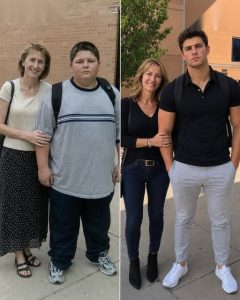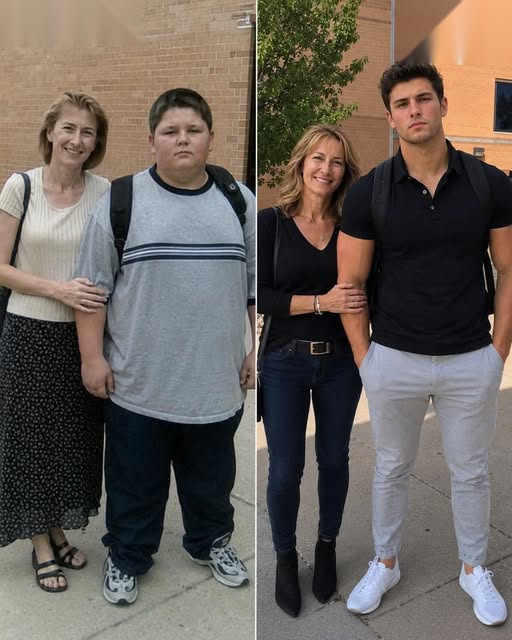
My Son Was Mistreated Throughout School – They Didn’t Even Invite Him to the 10-Year Reunion
As a parent, there are certain moments you never forget. The first day you hold your child, their first steps, their first day of school. You imagine that school will be a place where they learn, grow, and build friendships that may last a lifetime. Unfortunately, that wasn’t the experience my son had.
From the very beginning, he seemed different from the other children. He was quiet, thoughtful, and preferred reading books to playing sports. While there is absolutely nothing wrong with that, children can sometimes be unkind to anyone who stands out. What began as occasional teasing soon developed into something much more painful.
During elementary school, my son would come home with stories about classmates making fun of him. At first, the comments seemed harmless enough. They laughed at his clothes, mocked his interests, and excluded him from games during recess. Like many parents, I hoped it was just a phase that would pass as the children matured.
It didn’t.
As the years went on, the teasing became more frequent. Birthday parties came and went without invitations. Group projects somehow always left him working alone. Lunch periods often found him sitting by himself while other students gathered with their friends.
I remember asking him one evening if everything was okay at school.
“Yeah, Mom,” he replied.
But I could see the sadness in his eyes.
No parent wants to watch their child struggle socially. You want to protect them from every hurt and disappointment, but eventually you realize there are some battles they must face themselves. All you can do is support them and remind them of their worth.
Middle school was particularly difficult.
Those years are challenging for almost everyone, but for a child who already feels isolated, they can be devastating. My son became increasingly withdrawn. He spent more time in his room and less time talking about his day.
Teachers occasionally acknowledged the situation, but meaningful intervention rarely happened. Some educators genuinely cared and tried to help, but others dismissed the behavior as normal childhood conflict.
It never felt normal to me.
Being excluded day after day leaves scars that are not always visible.
High school brought new challenges. While the outright bullying became less frequent, the social exclusion remained. By then, cliques had formed and friendships were firmly established. My son existed on the edges of school life, rarely included but never completely absent.
He attended classes, earned good grades, and stayed out of trouble. Yet he always seemed invisible.
I often wondered how many other students were experiencing the same thing.
People tend to focus on dramatic stories of bullying, but chronic exclusion can be just as damaging. Being ignored sends a message that a person doesn’t belong. Over time, that message becomes difficult to ignore.
Despite everything, my son persevered.
He graduated with respectable grades and eventually left for college. Away from the environment that had defined so much of his youth, he began to flourish. He met people who appreciated him for who he was rather than judging him based on superficial standards.
For the first time in years, he seemed genuinely happy.
As a parent, seeing that transformation was incredibly rewarding.
The shy, isolated teenager gradually became a confident young adult. He developed friendships, pursued his interests, and built a life on his own terms. While the wounds from his school years never completely disappeared, they no longer defined him.
Then something happened that brought many old memories rushing back.
Several months ago, I learned that his graduating class was organizing a ten-year reunion. Former classmates were reconnecting through social media, sharing updates about their lives, and making plans to attend.
At first, I didn’t think much about it.
Then I realized something.
My son had never received an invitation.
I assumed it was a mistake. After all, organizing reunions is complicated. Contact information changes. People move away. Errors happen.
But as the weeks passed, invitations continued reaching other former students while my son heard nothing.
Eventually, it became clear that he simply wasn’t included.
When I asked whether he had been contacted, he shrugged.
“Nope.”
His response was calm, but I couldn’t help feeling angry.
After everything he endured during those years, they still couldn’t extend a simple invitation?
It wasn’t that attending the reunion mattered so much. In fact, my son admitted he probably wouldn’t have gone even if invited. He had moved on with his life and no longer felt connected to most of the people from school.
Still, the omission felt symbolic.
It seemed to reinforce the same message he had received throughout his childhood: you don’t belong.
What surprised me most was my son’s reaction.
Rather than expressing hurt or resentment, he laughed.
“Honestly, Mom,” he said, “they did me a favor.”
I looked at him, confused.
He explained that while school had been difficult, it represented only a small chapter of his life. The people who ignored him back then no longer had any influence over his happiness. His real friends were the people he had met afterward—the individuals who accepted him without conditions.
That perspective changed everything.
I realized I was holding onto pain that my son had already released.
He wasn’t defined by the people who excluded him.
He was defined by the resilience he developed because of those experiences.
The reunion eventually took place. Photos appeared online showing smiling faces gathered together, reminiscing about old times.
My son wasn’t there.
Instead, he spent that weekend with friends who genuinely cared about him.
Looking back, I wish his school experience had been different. I wish classmates had been kinder and more inclusive. I wish teachers and administrators had done more to address the social dynamics that left some students isolated.
But I am also proud of the person my son became.
He learned that self-worth cannot depend on the approval of others. He discovered that meaningful friendships are built on respect and authenticity rather than popularity. Most importantly, he proved that difficult experiences do not determine a person’s future.
Not receiving an invitation to a reunion could have reopened old wounds.
Instead, it served as a reminder of how far he had come.
Sometimes the greatest success isn’t being welcomed back by the people who once overlooked you.
Sometimes it’s building a life so fulfilling that their approval no longer matters at all.