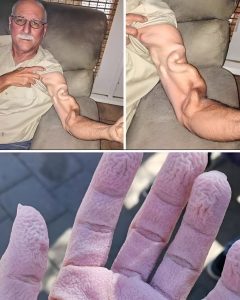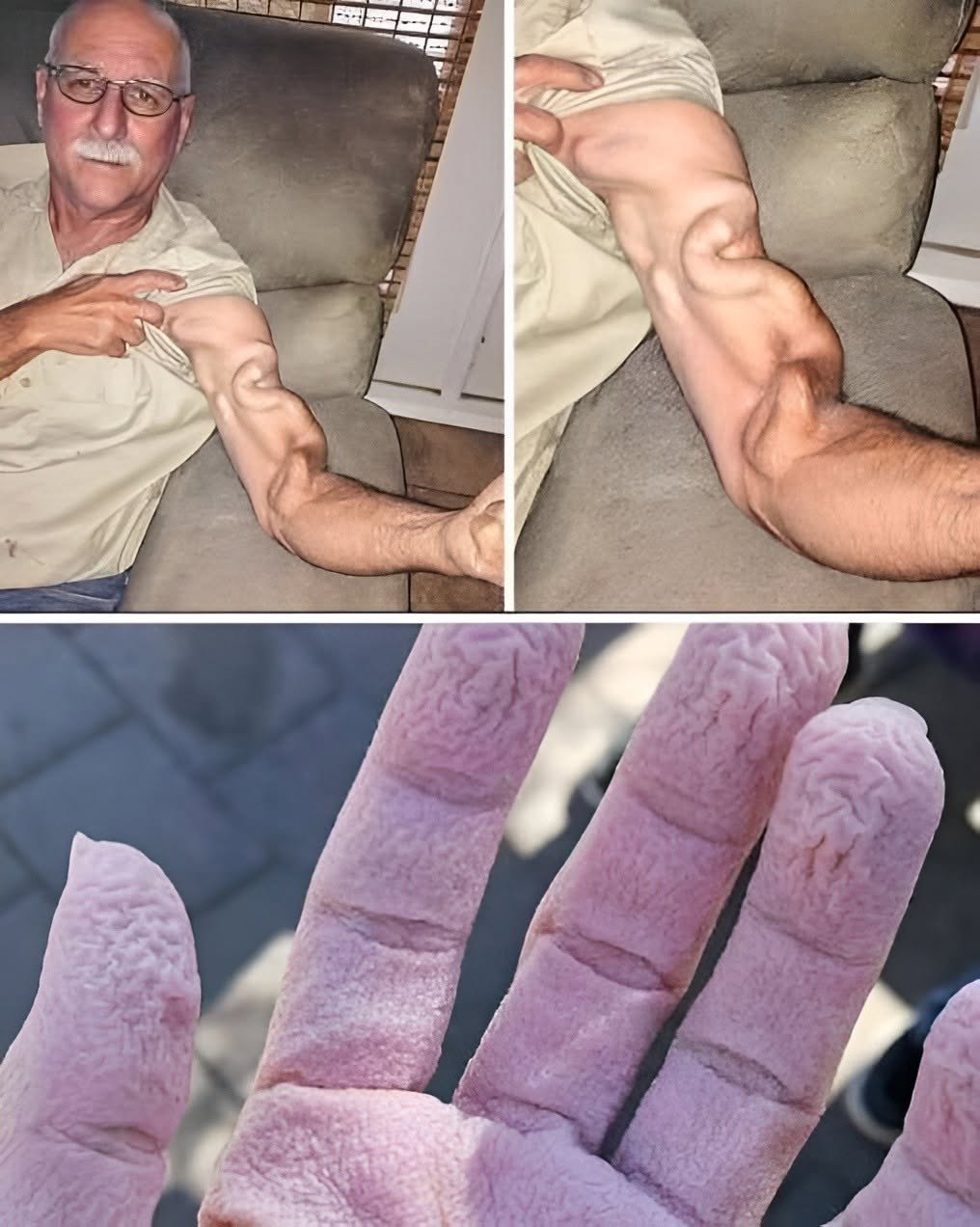
A Man Goes to Stretch and Ends Up Feeling a Sharp Pain in His Arm
It was an ordinary Tuesday morning when 42-year-old Daniel Harper woke up and prepared for another day of work. Nothing seemed unusual. The sun was shining through the bedroom curtains, his coffee maker was humming in the kitchen, and the biggest challenge he expected to face was a stack of emails waiting at the office.
Like many people, Daniel had a habit of stretching shortly after waking up. It helped him shake off the stiffness from sleep and feel more energized for the day ahead. As he stepped out of bed, he raised both arms above his head and leaned backward slightly.
Then it happened.
A sudden, sharp pain shot through his left arm.
The sensation was so intense that he immediately dropped his arm and grabbed his shoulder. For a moment, he stood frozen in place, unsure what had just occurred. The pain wasn’t like a muscle cramp or the soreness that follows exercise. It felt deeper, almost as if something inside his arm had snapped.
“That’s strange,” he muttered.
At first, Daniel assumed he had simply stretched too hard. After all, he wasn’t as young as he once was, and occasional aches and pains had become a normal part of life. He rubbed the area gently and continued getting ready.
But the discomfort didn’t disappear.
As the morning progressed, the pain seemed to grow worse. Lifting objects became difficult. Even reaching for a coffee mug caused a stabbing sensation that traveled from his shoulder down toward his elbow.
Concerned, his wife Emily suggested he visit a doctor.
“It’s probably nothing,” Daniel replied.
Still, something about the injury felt unusual.
By midday, he decided to schedule an appointment at a local urgent care clinic.
The physician who examined him asked several questions.
“When did the pain start?”
“This morning.”
“What were you doing?”
“I was stretching.”
The doctor raised an eyebrow.
“Just stretching?”
Daniel nodded.
After a brief physical examination, the doctor suspected the issue might be related to a tendon or muscle injury. To be safe, imaging tests were ordered.
The results would reveal something Daniel never expected.
The scan showed evidence of a torn tendon in his upper arm.
A tendon is a strong band of tissue that connects muscle to bone. While these structures are remarkably durable, they can weaken over time due to age, repetitive stress, previous injuries, or underlying medical conditions.
In Daniel’s case, the tendon had apparently been deteriorating for years without causing noticeable symptoms.
That simple morning stretch had been enough to trigger the final tear.
The diagnosis shocked him.
“You’re telling me I tore a tendon by stretching?”
The specialist nodded.
“It happens more often than people realize.”
Many individuals assume serious injuries only occur during athletic activities, heavy lifting, or accidents. However, medical professionals frequently encounter cases where everyday movements lead to unexpected injuries.
The human body is resilient, but it is not indestructible.
Years of wear and tear can weaken tissues gradually. Sometimes the final trigger is something surprisingly minor.
For Daniel, the news was difficult to accept.
He considered himself relatively healthy. He walked regularly, maintained a decent diet, and had never suffered a major injury before.
The idea that a simple stretch could sideline him for weeks felt unfair.
Unfortunately, recovery would require patience.
The orthopedic specialist explained that surgery might not be necessary, but physical therapy would be essential. Without proper rehabilitation, the injury could lead to long-term weakness or reduced mobility.
Over the following weeks, Daniel attended therapy sessions twice a week.
At first, progress felt painfully slow.
Basic movements that once seemed effortless became challenging tasks. Raising his arm above shoulder level required concentration. Carrying groceries became difficult.
There were moments when frustration threatened to overwhelm him.
Yet each therapy session brought small improvements.
Gradually, his range of motion increased.
The sharp pain faded into a dull ache.
The exercises that once seemed impossible became manageable.
During one appointment, his therapist shared an important lesson.
“People often ignore the warning signs their bodies give them,” she said.
“What kind of signs?” Daniel asked.
“Minor aches, stiffness, weakness. Those symptoms can sometimes indicate that tissues are under stress.”
Her words stayed with him.
Looking back, Daniel realized there had been clues.
For months before the injury, he occasionally felt mild shoulder discomfort after long days at work. He dismissed it as normal fatigue.
He never imagined it might signal an underlying problem.
As his recovery continued, Daniel became more attentive to his physical health. He improved his posture, incorporated strengthening exercises into his routine, and learned the importance of rest and recovery.
Several months later, he returned to most of his normal activities.
The experience changed his perspective.
He no longer viewed health as something guaranteed.
Instead, he saw it as something that required ongoing care and attention.
Friends were often surprised when he told them his story.
“You tore a tendon stretching?” they would ask.
Daniel would laugh.
“That’s right.”
The tale sounded almost unbelievable, yet it served as a reminder that injuries can occur in unexpected ways.
The body is incredibly complex. Sometimes seemingly insignificant actions reveal hidden problems that have been developing beneath the surface for years.
Fortunately, Daniel’s outcome was positive.
Because he sought medical attention promptly, received an accurate diagnosis, and followed his rehabilitation plan, he recovered well.
His experience highlights an important message: persistent or severe pain should never be ignored. While many aches and pains are harmless and temporary, sudden sharp pain, weakness, swelling, or loss of function may warrant professional evaluation.
A simple stretch may seem routine, but when the body sends a strong signal that something is wrong, paying attention can make all the difference.
What began as an ordinary morning and an innocent stretch ultimately became a lesson about health, resilience, and the importance of listening to the body’s warning signs. Sometimes the most unexpected moments teach the most valuable lessons.