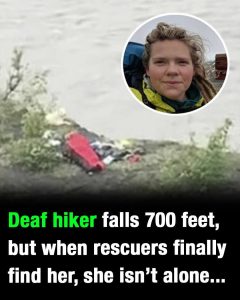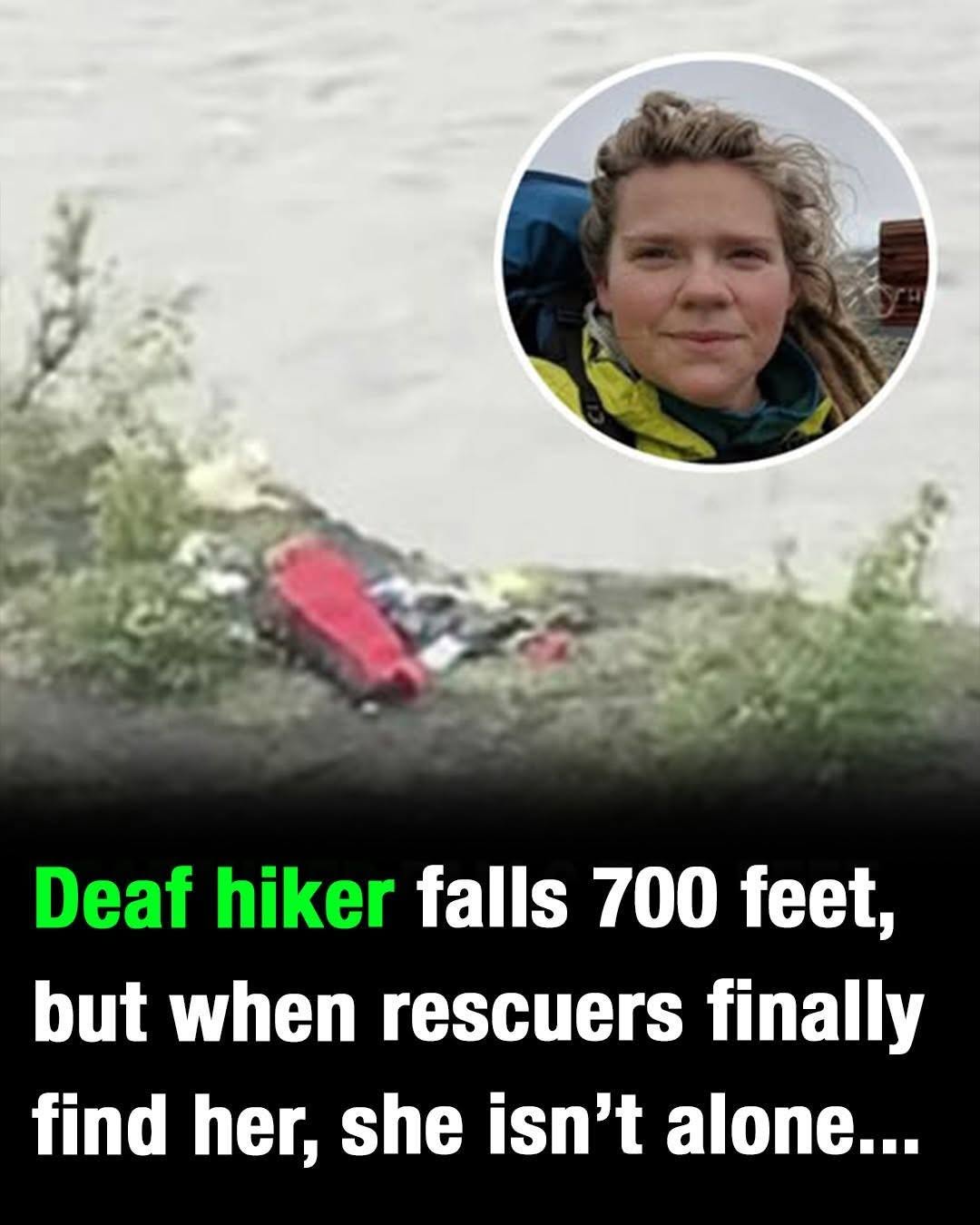
Lost and Injured in the Alaskan Wilderness, She Survived Thanks to an Unexpected Guardian
The Alaskan wilderness is one of the most breathtaking places on Earth. Towering mountains, ancient forests, crystal-clear rivers, and endless stretches of untamed land attract adventurers from around the world. Yet beneath its beauty lies an environment that demands respect. Weather can change in minutes, temperatures can plummet unexpectedly, and help may be hundreds of miles away. For one young woman, what began as the trip of a lifetime turned into a desperate fight for survival—one she credits to an unexpected guardian.
Twenty-eight-year-old Sarah Mitchell had spent years dreaming of exploring Alaska. An experienced hiker and wildlife photographer, she had completed numerous backcountry trails across North America. Friends described her as cautious, well-prepared, and passionate about nature. She never entered the wilderness without studying maps, checking weather forecasts, and packing emergency supplies.
In late summer, Sarah joined a small group on a guided expedition into a remote section of Alaska known for its stunning alpine lakes and abundant wildlife. The first several days unfolded exactly as planned. The group photographed moose grazing near rivers, watched bald eagles soar overhead, and admired glaciers shimmering beneath the midnight sun.
On the fourth morning, Sarah woke early to capture sunrise photographs. With permission from the guide, she followed a nearby trail that offered a panoramic overlook just a short distance from camp. She carried her camera, water, extra clothing, a first-aid kit, and a satellite emergency beacon.
As she climbed higher, fog rolled across the mountains far faster than expected. Within minutes, familiar landmarks disappeared behind a wall of mist. Determined to retrace her steps, Sarah carefully turned back. But in the reduced visibility, she accidentally wandered onto a different game trail.
The terrain grew steeper.
Loose rocks shifted beneath her boots.
Then disaster struck.
Her foot slipped on wet moss, sending her tumbling several yards down a rocky slope. She landed hard against a fallen tree, suffering a painful injury to her ankle and cuts along her arms. Her camera was damaged, and her backpack had been thrown several feet away.
After catching her breath, Sarah attempted to stand but immediately collapsed. The pain in her ankle made walking nearly impossible.
She reached for her satellite beacon.
It was gone.
Somewhere during the fall, it had detached from her backpack.
For the first time, genuine fear set in.
She shouted repeatedly, hoping someone from camp might hear her. Only silence answered.
Hours passed as she slowly gathered nearby branches to create a small shelter against the approaching evening cold. Using supplies from her first-aid kit, she wrapped her injured ankle and cleaned her cuts as best she could. She rationed her food and water, knowing rescue might not come quickly.
That first night felt endless.
Every unfamiliar sound echoed through the forest. Wind rustled the trees while distant animal calls reminded her she was no longer the observer of wildlife—she was sharing their home.
The following morning, Sarah noticed something unusual.
Fresh paw prints surrounded her makeshift shelter.
Her heart raced.
They appeared to belong to a large animal.
Carefully scanning the area, she eventually spotted movement several yards away.
A large dog stood watching her.
Its thick coat suggested it might be an Alaskan Husky or a mixed working breed. It wore no visible collar but appeared healthy and alert.
The dog kept its distance at first.
Sarah spoke softly, trying not to frighten it.
To her surprise, the animal remained nearby instead of disappearing into the forest.
Over the next several hours, the dog repeatedly wandered away before returning, almost as if checking on her.
As temperatures dropped again that evening, the animal cautiously approached closer.
Eventually, it lay several feet from the shelter.
Although still wary, Sarah found comfort simply knowing another living creature was nearby.
During the second night, strange noises echoed from deeper in the woods.
The dog immediately stood, ears raised.
It barked loudly several times toward the darkness.
Whatever had been approaching never came closer.
Whether it had been another animal or simply Sarah’s imagination, she would never know.
By the third day, exhaustion began taking its toll.
Food supplies were running low.
Her ankle remained badly swollen.
She considered attempting to crawl downhill despite the risk.
Instead, she stayed put, remembering survival advice that rescuers can more easily locate someone who remains in one place.
The dog continued returning throughout the day.
At one point, it even led Sarah to a nearby stream she had not previously noticed, allowing her to refill her water using purification tablets from her emergency kit.
Late that afternoon, Sarah heard something she had almost given up hoping for.
A helicopter.
She grabbed a brightly colored emergency blanket and waved it above her head while shouting with all the strength she had left.
The dog barked repeatedly.
Moments later, the helicopter circled overhead.
A rescue team had been searching the area after members of Sarah’s hiking group reported her missing when she failed to return.
The bright reflection from the emergency blanket combined with the clearing where the dog had been barking helped rescuers spot her location.
Within minutes, a rescue specialist was lowered by cable.
Sarah was safely lifted aboard and flown to a nearby hospital, where doctors diagnosed a fractured ankle, dehydration, and several minor injuries. Fortunately, none of the injuries were life-threatening.
When she later asked rescuers whether they had seen the dog, several crew members said they had noticed an animal running near the rescue site just before the helicopter landed.
By the time they looked again, it had vanished into the forest.
No one ever identified where the dog came from.
Some believed it belonged to a remote trapper or musher living miles away. Others thought it might have been a stray accustomed to surviving in the wilderness.
Sarah simply smiled whenever people asked.
“I don’t know whose dog it was,” she would say.
“But I know I wasn’t completely alone.”
Months after recovering, Sarah returned to Alaska—not to retrace the dangerous hike, but to thank the search-and-rescue volunteers whose skill and determination had saved her life. She also donated equipment to local rescue organizations and began speaking publicly about wilderness safety.
She emphasized several lessons every outdoor enthusiast should remember: always carry multiple forms of emergency communication, tell others your exact route, prepare for changing weather, carry survival supplies, and never underestimate the wilderness.
As for the mysterious dog, Sarah never saw it again.
Yet she keeps a framed photograph of the Alaskan mountains in her home as a reminder of those extraordinary days. Whenever someone asks why, she tells them that survival often depends on preparation, courage, and the dedication of trained rescuers—but sometimes, life also brings unexpected moments of hope.
Whether the dog simply wandered into the right place at the right time or instinctively chose to remain nearby, its quiet companionship gave Sarah comfort when she needed it most. In the vast solitude of Alaska, where nature can be both beautiful and unforgiving, that unexpected guardian became a symbol of resilience, reminding us that even in our darkest moments, hope can appear from the most unlikely places.