CAUTION if You Sleep on Your Right Side: Understanding the Risks and Benefits
Sleep is often treated as a passive activity—a time to rest, recharge, and temporarily escape the pressures of daily life. Yet, the way we sleep, including our preferred positions, can have profound effects on our health. Among these, sleeping on the right side has garnered attention in both medical research and popular discourse. While often considered comfortable and natural, this position may carry risks that many people are unaware of. At the same time, it offers benefits, creating a nuanced landscape where awareness and moderation matter.
Why Sleeping Positions Matter
The body’s alignment during sleep influences organ function, circulation, and even neurological processes. While back sleeping promotes spinal neutrality, side sleeping affects how internal organs interact with gravity. Left- and right-side sleeping, though similar in outward posture, can differ dramatically in their physiological effects. Health professionals emphasize that posture during sleep is not merely about comfort—it’s about long-term wellness, digestion, cardiovascular health, and respiratory function.
Sleeping on the right side, in particular, places the heart slightly above the body’s midline. This can influence blood flow, pressure within the heart, and the function of other vital organs. Many people favor this position because it reduces snoring, offers comfort for the shoulders and hips, and is often easier for those with joint pain. However, research and clinical observations suggest that prolonged right-side sleeping may contribute to complications under certain conditions.
Potential Risks of Right-Side Sleeping
-
Heart Function and Circulation:
Some studies indicate that right-side sleeping can slightly increase pressure on the heart, particularly in individuals with preexisting heart conditions. The orientation may affect venous return—the flow of blood back to the heart—potentially creating minor stress on cardiac function during the night. While healthy adults may experience little to no immediate effect, those with heart disease or congestive conditions should consult medical advice regarding sleep posture. -
Digestive Considerations:
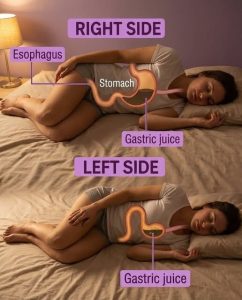
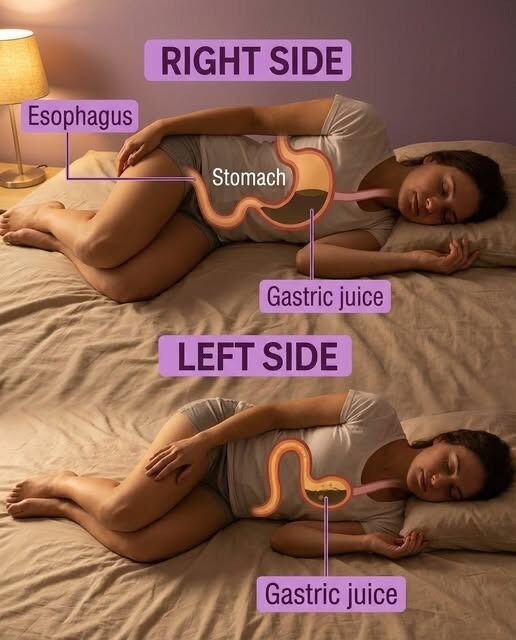
The stomach and esophagus are particularly sensitive to posture due to the role of gravity in digestion. Sleeping on the right side can promote acid reflux in some individuals. In this position, the stomach sits above the esophagus, making it easier for gastric contents to flow upward. People who experience heartburn, gastroesophageal reflux disease (GERD), or indigestion may notice symptoms exacerbated by prolonged right-side sleep. Left-side sleeping is often recommended to help reduce these effects, as gravity helps keep stomach acid from entering the esophagus. -
Pregnancy Implications:
Expectant mothers are frequently advised to sleep on their left side to optimize blood flow to the placenta and fetus. Right-side sleeping, particularly in later trimesters, may slightly reduce the efficiency of blood circulation, potentially affecting oxygen delivery. While occasional right-side sleep is generally not dangerous, consistent patterns can create subtle stress on both mother and baby. -
Organ Pressure and Musculoskeletal Strain:
Side sleeping naturally compresses one shoulder, one hip, and one side of the body against the mattress. Over time, right-side sleepers may experience tension or discomfort in these areas. Additionally, long-term pressure on the lungs or liver—both positioned predominantly on the right—may influence breathing patterns or contribute to localized soreness. Proper mattress support and pillow alignment can mitigate these effects, but awareness is key.
Benefits of Right-Side Sleeping
Despite these cautions, right-side sleeping is not inherently harmful and, in fact, offers several advantages:
-
Reduced Snoring and Sleep Apnea Relief:
For many individuals, right-side sleeping can keep airways open and reduce snoring. By preventing the tongue and soft tissues from collapsing into the throat, this position supports unobstructed breathing. Those with mild sleep apnea may find occasional relief by sleeping on their side rather than on their back. -
Spinal Alignment and Joint Comfort:
With appropriate mattress support, right-side sleeping can provide excellent spinal alignment, particularly for individuals with hip or shoulder pain. The position naturally encourages a neutral spine and may reduce nighttime tossing and turning. -
Fetal Comfort in Early Pregnancy:
During early stages of pregnancy, right-side sleeping is generally safe and can reduce pressure on major vessels compared to back sleeping. For some women, alternating sides—including the right side—can improve overall comfort and rest quality. -
Brain Health and Lymphatic Drainage:
Emerging research suggests that side sleeping may improve glymphatic clearance in the brain, a process important for waste removal and cognitive health. While most studies do not specify side preference, some findings indicate that right-side sleeping can be part of a healthy rotation, supporting long-term brain function.
Strategies to Sleep Safely on Your Right Side
For individuals who prefer or must sleep on their right side, several strategies can help mitigate potential risks:
-
Pillow Support:
A firm pillow that keeps the head in line with the spine can prevent neck strain. Additional pillows between the knees can maintain hip alignment and reduce musculoskeletal pressure. -
Alternating Sides:
Sleeping exclusively on the right side may increase risk factors over time. Alternating between right and left sides can distribute pressure evenly, reduce digestive discomfort, and support circulation. -
Elevated Torso:
For those prone to acid reflux or GERD, elevating the head and upper torso slightly with an adjustable bed or wedge pillow can prevent gastric contents from flowing upward while maintaining a comfortable side-sleeping position. -
Posture Check and Mattress Quality:
A medium-firm mattress that adapts to the body’s natural curves can reduce pressure points. Proper mattress and pillow selection ensures that side sleeping promotes comfort without compromising spinal or organ alignment. -
Medical Consultation:
Individuals with heart conditions, severe GERD, or pregnancy-related concerns should discuss sleep posture with their healthcare provider. Tailored recommendations can help minimize risk while maintaining rest quality.
Understanding Sleep as a Holistic Practice
Sleeping on the right side is not inherently dangerous; context, duration, and individual health conditions determine its suitability. What this cautionary advice underscores is that sleep is an active process in terms of health maintenance. The body is responsive during sleep, and postural decisions impact long-term well-being. Beyond comfort, understanding the physiological effects of sleep positions can empower individuals to make informed choices that enhance quality of life.
Sleep experts often emphasize awareness and adaptation: paying attention to digestive comfort, cardiovascular signals, and musculoskeletal alignment. Small changes—like adjusting pillow height, alternating sides, or slightly elevating the torso—can create profound improvements in rest quality and reduce complications associated with prolonged right-side sleep.
Conclusion
“CAUTION if you sleep on your right side” is not a headline designed to provoke fear, but to raise awareness. Right-side sleeping carries both potential risks and benefits, influencing heart function, digestion, musculoskeletal health, and overall comfort. Understanding how this position interacts with individual physiology is essential for maintaining optimal rest and long-term wellness.
For most healthy individuals, right-side sleeping remains a viable and comfortable option. However, for those with heart conditions, GERD, pregnancy considerations, or musculoskeletal concerns, thoughtful adjustments can transform sleep from a passive activity into a restorative, health-promoting practice. Alternating sides, using supportive pillows, and consulting healthcare providers when necessary ensures that right-side sleep contributes positively to holistic well-being.
Ultimately, the caution is not about fear—it is about informed choice. Sleep is a cornerstone of health, and the way we position ourselves each night can have meaningful consequences. By understanding the potential effects of right-side sleeping and taking proactive measures, individuals can embrace both comfort and safety, turning rest into a source of vitality rather than risk.