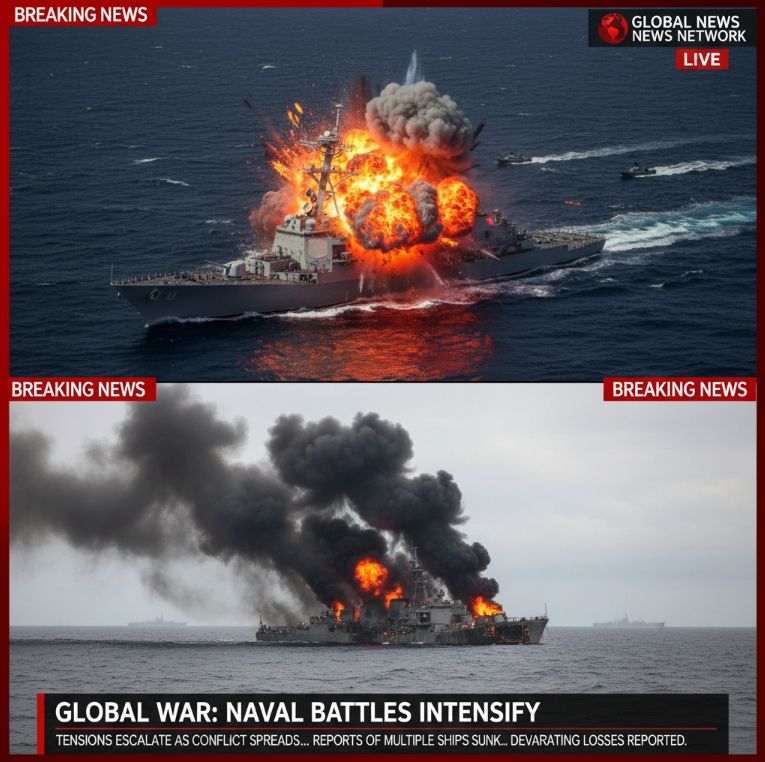
“Iran attacks two U.S. ships in the Strait of Hormuz… See more” — here’s what’s actually going on
Headlines like this are spreading quickly, and they sound extremely serious. But when you separate verified facts from viral claims, the situation becomes much clearer.
🚨 First, the key fact
There is no confirmed, widely reported evidence that Iran has attacked two U.S. Navy ships in the Strait of Hormuz in the way these posts suggest.
That specific claim—“two U.S. ships attacked right now”—appears to be misleading or exaggerated.
What has actually happened (confirmed developments)
The Strait of Hormuz—a narrow but critically important waterway between Iran and Oman—has become increasingly tense in recent days. About 20% of the world’s oil supply passes through this corridor, making it one of the most strategically sensitive locations on Earth.
✔️ Real incidents reported:
- Several commercial (civilian) ships have been hit or damaged in the region
- Attacks involved projectiles, drones, or explosive boats
- Some vessels caught fire and crews had to be rescued
- These incidents raised fears of a wider maritime conflict
In short:
👉 Ships have been attacked—but primarily merchant vessels, not confirmed U.S. Navy warships.
⚠️ What about U.S. ships?
- The United States Navy does operate in and around the Strait of Hormuz
- U.S. forces are actively monitoring and protecting shipping routes
- There have been casualties at U.S. bases in the region, but not confirmed naval ship destruction in this scenario
However:
👉 There is no verified report of two U.S. warships being attacked or destroyed in a sudden breaking event.
Why this headline is misleading
The phrase “Iran attacks two U.S. ships… See more” follows a common misinformation pattern:
🔴 1. It mixes real events with false specifics
- Real: Attacks on ships in the Strait
- Misleading: Claim they were U.S. Navy ships right now
🔴 2. It avoids details
No:
- Ship names
- Locations
- Time stamps from official sources
- Confirmation from defense agencies
That’s a major red flag.
🔴 3. It uses urgency to trigger panic
Phrases like:
- “breaking”
- “just happened”
- “see more”
…are designed to get clicks, not provide verified information.
🌍 What the situation actually looks like
The reality is serious—but different from the viral claim.
Ongoing situation:
- Iran is increasing pressure in the Strait
- Shipping lanes are being disrupted
- Some vessels have been attacked or threatened
- Oil markets are reacting sharply
- Military presence (including U.S. forces) is increasing
There are also reports of:
- Naval mines in the water
- Restrictions on which ships can pass
- Rising global tension and risk of escalation
⚖️ Could U.S. ships be targeted?
In theory, yes—during a conflict, military vessels are always at risk.
But in reality:
- U.S. warships are heavily defended
- They operate in groups with advanced radar and missile systems
- Any attack on them would be immediately confirmed worldwide
And most importantly:
👉 An attack on U.S. naval ships would likely trigger a major military response and dominate global headlines instantly.
That is not happening right now.
🧠 Why misinformation spreads so fast
This kind of story spreads because it combines:
- Real conflict
- A strategic location (Strait of Hormuz)
- High-stakes actors (Iran vs U.S.)
- Emotional urgency
That combination makes it feel believable—even when key facts are missing.
✅ Bottom line
- ✔️ Ships have been attacked in the Strait of Hormuz
- ✔️ Tensions involving Iran are very real and escalating
- ❌ There is no confirmed report of Iran attacking two U.S. Navy ships “just now”
- ❌ The viral headline is likely misleading or exaggerated
🧭 What to do when you see posts like this
Before reacting, ask:
- Is this confirmed by multiple trusted sources?
- Are there specific details (ship names, location, officials)?
- Does it match how real events are reported?
If the answer is no—it’s probably not reliable.
If you want, I can explain how likely a direct U.S.–Iran naval clash is and what experts think could happen next.