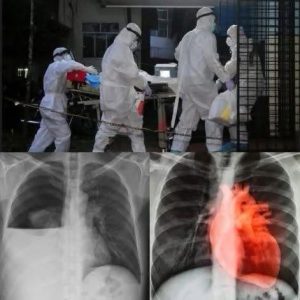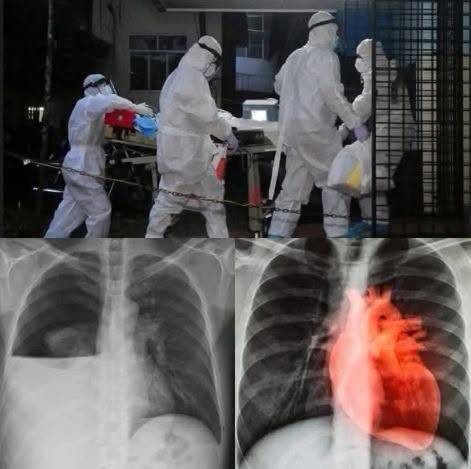
COVID-19 Vaccinated Individuals May Be Ill… See More
The internet is filled with dramatic headlines that spread quickly, especially when they involve health. One headline that has recently circulated reads: “COVID-19 vaccinated individuals may be ill… See more.” While this statement may sound alarming, it lacks important context. The truth is that both vaccinated and unvaccinated people can become ill, and understanding why requires looking at what vaccines are designed to do.
COVID-19 vaccines were developed to help the immune system recognize and respond to the virus that causes COVID-19. Their primary purpose has never been to guarantee that a person will never become infected. Instead, they are intended to reduce the risk of severe illness, hospitalization, and death if infection occurs. Like many vaccines used around the world, they lower risk rather than eliminate it completely.
One reason vaccinated people may still become ill is that viruses change over time. Since the beginning of the pandemic, several variants of the coronavirus have emerged. Some variants are better at partially evading immune protection than earlier versions of the virus. As a result, breakthrough infections—cases in which vaccinated individuals become infected—can occur. This does not necessarily mean the vaccine has failed; rather, it reflects the natural evolution of viruses and the complexity of the immune system.
Another factor is that immunity changes over time. After vaccination or a previous infection, immune protection can gradually decrease. This is why public health authorities in many countries have recommended booster doses for certain groups, particularly older adults and people with weakened immune systems. Boosters help refresh the immune response and improve protection against newer virus variants.
Age also plays an important role. Older adults often have immune systems that respond less strongly to infections and vaccinations than younger people. For this reason, they remain at higher risk of developing severe illness from COVID-19 even if they have been vaccinated. Likewise, people with certain medical conditions or those taking medications that suppress the immune system may not develop the same level of protection as healthy individuals.
It is also important to distinguish between becoming infected and becoming seriously ill. A vaccinated person who contracts COVID-19 may experience mild symptoms such as a sore throat, cough, fever, or fatigue. In many cases, these symptoms resolve without hospitalization. By contrast, before vaccines became widely available, severe disease requiring intensive medical care was much more common across many age groups.
Researchers continue to study how immunity develops after vaccination and infection. The immune system has multiple layers of defense, including antibodies, memory B cells, and T cells. While antibody levels may decline over time, other parts of the immune system can continue to provide protection against severe disease. This helps explain why a vaccinated person may still test positive for the virus but experience a milder illness than they otherwise would have.
Health experts also emphasize that vaccination is only one part of reducing risk. Staying home when sick, maintaining good hand hygiene, improving ventilation in indoor spaces, and following current public health guidance can all help reduce the spread of respiratory viruses, including COVID-19, influenza, and RSV.
Social media headlines often omit these important details. A statement such as “vaccinated individuals may be ill” is technically true in the sense that no vaccine provides perfect protection against every infection. However, presenting the statement without context can create the false impression that vaccines provide no benefit, which is inconsistent with a large body of scientific evidence.
Another source of confusion is the difference between side effects and illness. After vaccination, some people experience temporary reactions such as soreness at the injection site, fatigue, headache, muscle aches, or a mild fever. These reactions usually last a day or two and are signs that the immune system is responding. They are different from COVID-19 illness itself.
Public health recommendations have changed over time because scientists continue to gather new evidence. As more information becomes available about virus variants, vaccine effectiveness, and population immunity, health agencies update their guidance accordingly. This ongoing process is a normal part of scientific research and does not necessarily indicate that earlier recommendations were incorrect; rather, it reflects the use of the best available evidence at each stage.
For individuals who are concerned about their personal risk, the best approach is to consult a qualified healthcare professional. Factors such as age, underlying health conditions, vaccination history, and local virus activity all influence individual recommendations. Personalized medical advice is more reliable than conclusions drawn from viral headlines or social media posts.
In conclusion, it is true that vaccinated people can still become ill with COVID-19, particularly as the virus evolves and immunity changes over time. However, this fact alone does not describe the full picture. Vaccination remains an important tool for reducing the risk of severe illness and serious complications, especially for people at higher risk. Understanding the difference between infection, mild illness, and severe disease provides essential context that is often missing from sensational online headlines. When evaluating health claims, it is wise to seek information from qualified medical professionals and evidence-based public health sources rather than relying solely on attention-grabbing posts.