Powerful 6.8 Magnitude Earthquake Rocks Southern Japan: What We Know and Why It Matters
A powerful earthquake measuring 6.8 magnitude has shaken parts of southern Japan, sending tremors across communities and renewing concerns about earthquake preparedness in one of the world’s most earthquake-prone nations. The sudden movement beneath the Earth’s surface caused buildings to shake, residents to rush outside for safety, and emergency officials to begin assessing possible damage.
Japan is no stranger to major earthquakes. Located along the Pacific “Ring of Fire,” a region known for intense seismic activity, the country experiences thousands of earthquakes every year. While many are small and barely noticed, stronger earthquakes can create serious challenges for communities, especially in coastal areas where tsunami risks must always be considered.
The 6.8 magnitude earthquake struck with enough force to be felt across a wide area. Residents reported strong shaking, objects falling from shelves, and buildings moving as the ground beneath them shifted. For many people, the first moments after the earthquake were filled with fear and uncertainty as they waited for information from authorities.
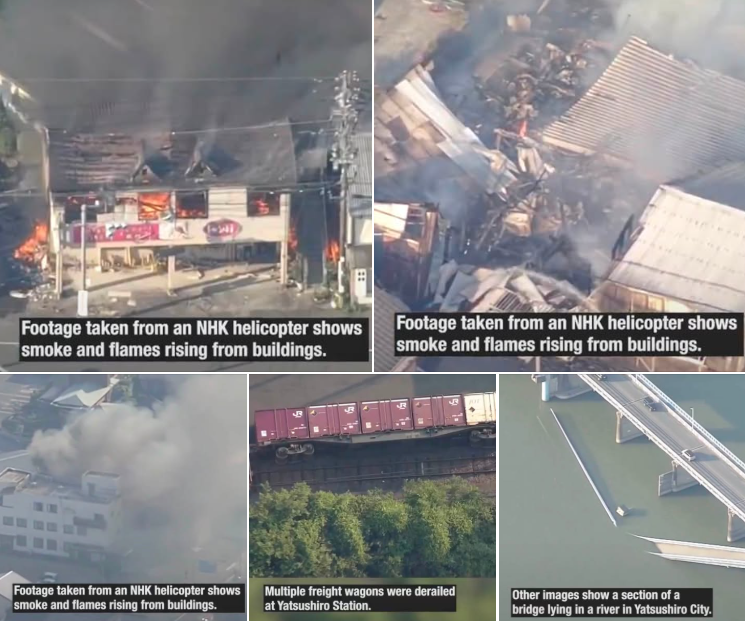
Emergency response teams quickly began monitoring the situation. Officials checked critical infrastructure, including roads, bridges, power systems, communication networks, and important facilities. Japan’s disaster response systems are among the most advanced in the world, developed through decades of experience dealing with earthquakes and other natural disasters.
The immediate concern after a major earthquake is always safety. Authorities typically advise residents to stay away from damaged structures, avoid unnecessary travel, and prepare for possible aftershocks. Aftershocks can occur hours, days, or even weeks after a large earthquake and may sometimes be strong enough to cause additional damage.
Scientists explain that earthquakes happen when stress built up along faults in the Earth’s crust is suddenly released. The energy travels through the ground in the form of seismic waves, creating the shaking that people feel on the surface. The strength of an earthquake is measured by magnitude, with higher numbers representing much larger releases of energy.
A magnitude 6.8 earthquake is considered a strong event. While the level of damage depends on many factors—including depth, location, building design, and population density—earthquakes of this size can potentially cause significant impacts, particularly in areas close to the epicenter.
Japan’s strict building standards have helped reduce the risk of catastrophic collapse during earthquakes. Modern buildings are designed with advanced engineering techniques that allow structures to move with the shaking rather than resist it completely. These safety measures have saved many lives during past disasters.
However, earthquakes remain unpredictable. Even with advanced technology, scientists cannot accurately predict exactly when or where a major earthquake will happen. This is why Japan places such importance on preparation, public education, and early warning systems.
Earthquake early warning technology gives people valuable seconds before strong shaking arrives. Although a few seconds may not sound like much, that short amount of time can allow trains to slow down, factory equipment to shut off, and people to move away from dangerous areas.
Following the earthquake, many residents turned to social media to share their experiences. Videos showing shaking buildings, emergency announcements, and people gathering outside quickly spread online. Social media often becomes an important source of real-time information during disasters, although officials regularly remind people to verify information and avoid spreading rumors.
For communities affected by the earthquake, the hours after the shaking are often filled with difficult decisions. Families check on loved ones, businesses inspect damage, and local officials organize support efforts. Even when buildings remain standing, emotional stress can continue as residents worry about aftershocks.
Japan’s history with earthquakes has shaped its culture of preparedness. Schools regularly conduct earthquake drills, families often keep emergency supplies, and communities have plans for evacuation and communication during disasters. These preparations are designed to reduce panic and help people respond quickly.
The earthquake also serves as a reminder that natural disasters can happen without warning. Around the world, communities located near fault lines continue to study earthquake risks and improve safety measures. Japan’s experience provides valuable lessons about how preparation, technology, and public awareness can make a difference.
As experts continue analyzing data from the earthquake, they will examine its depth, exact location, aftershock activity, and possible connections to surrounding fault systems. These studies help scientists better understand seismic patterns and improve future safety strategies.
For residents of southern Japan, the focus remains on staying safe, supporting neighbors, and following guidance from emergency officials. The earthquake may have lasted only moments, but its effects can continue long after the shaking stops.
Natural disasters often reveal both the power of nature and the strength of human communities. In the face of uncertainty, preparation, cooperation, and accurate information remain the most important tools for protecting lives.
The 6.8 magnitude earthquake is another reminder that while humans cannot prevent earthquakes, they can prepare for them. Through strong infrastructure, responsible planning, and community support, societies can reduce risks and recover more effectively when unexpected events occur.