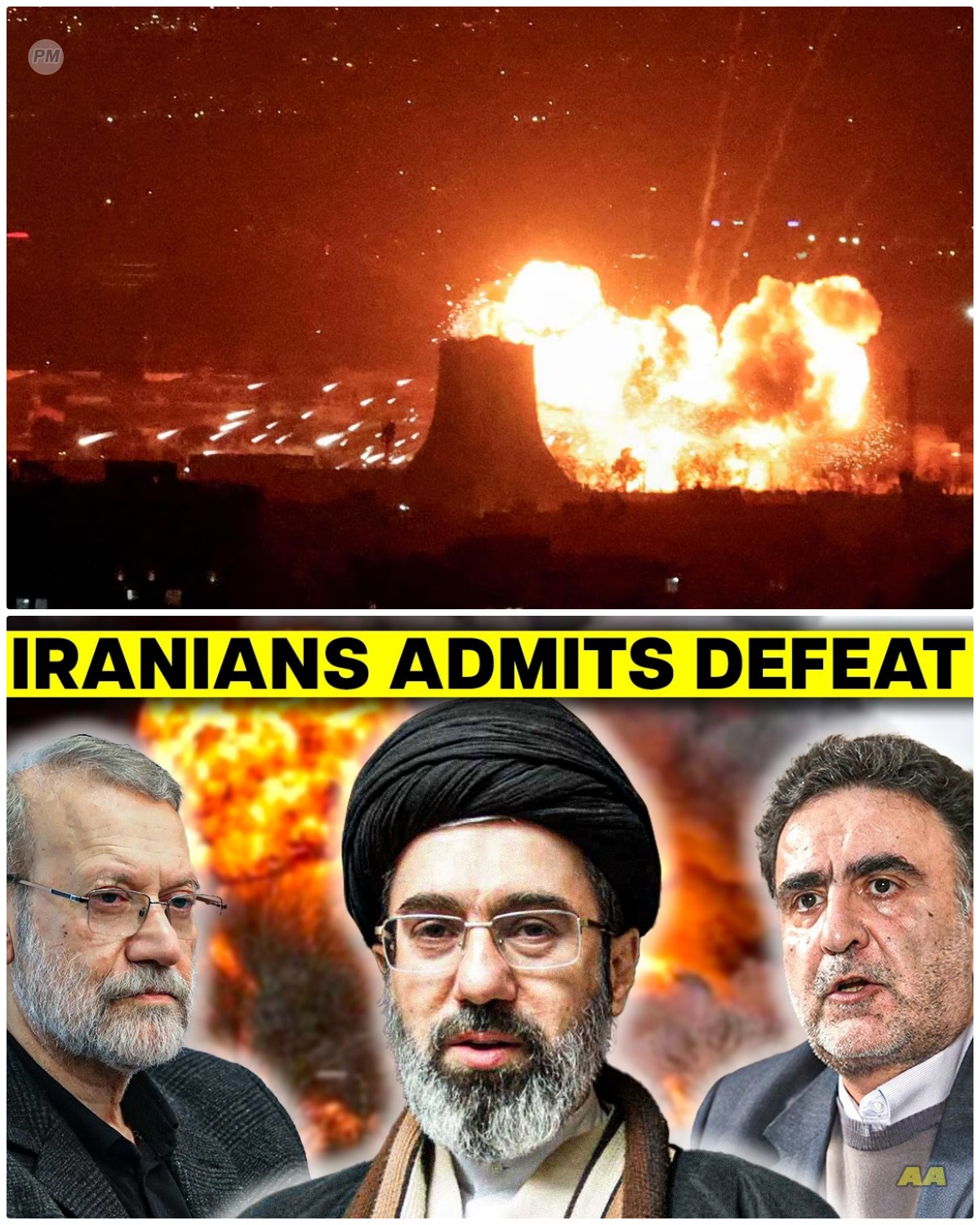
“U.S. Strikes Tehran—Iran’s Shocking Attempt to Surrender?” Here’s What’s Actually Happening
The headline sounds explosive—suggesting a dramatic turning point where United States has struck Tehran and Iran is on the verge of surrender. But the reality unfolding right now is far more complex, and in some ways, even more dangerous.
Let’s break down what is real, what is unclear, and what is being exaggerated.
A War That Has Rapidly Escalated
As of March 2026, the U.S. is actively engaged in a large-scale military campaign against Iran. According to officials, thousands of targets have already been struck, including missile systems, naval assets, and defense infrastructure.
This conflict didn’t appear overnight—it follows months of rising tensions, including earlier clashes involving Israel and Iran. What began as regional strikes has now evolved into a broader war involving multiple countries and critical global infrastructure.
Recent operations have gone deeper into Iranian territory, signaling a major escalation. While not every strike is centered in Tehran, the capital has not been immune to attacks in previous phases of the conflict.
Has the U.S. Actually “Struck Tehran”?
The answer is: not exactly in the way viral headlines suggest.
-
There have been strikes in and around Tehran—primarily targeting military and nuclear-related sites in earlier phases.
-
More recent U.S. operations appear focused on strategic assets across Iran, including naval and missile infrastructure.
For example, one of the most significant confirmed strikes targeted Kharg Island, a crucial hub for Iran’s oil exports, where dozens of military sites were hit.
So while Tehran is symbolically important, the campaign itself is nationwide, not limited to the capital.
The “Surrender” Narrative — Truth or Myth?
This is where the headline becomes misleading.
There is no verified evidence that Iran has attempted to surrender.
In fact, the opposite appears true:
-
Iranian leadership has explicitly rejected calls for surrender from the U.S.
-
Officials have publicly stated they will continue resisting military pressure
-
Iran has continued launching retaliatory strikes across the region
Even earlier in the conflict, Iran’s leadership made it clear: surrender is not on the table.
So where does this narrative come from?
It likely stems from:
-
U.S. demands for “unconditional surrender”
-
Isolated incidents (like a naval vessel surrendering abroad, not the government itself)
-
Misinterpretation or exaggeration on social media
Iran’s Response: Escalation, Not Retreat
Rather than backing down, Iran has intensified its actions.
Recent reports show:
-
Attacks on oil and gas infrastructure across the Gulf
-
Missile and drone strikes on U.S. and allied positions
-
Continued threats to shipping routes like the Strait of Hormuz
This has had global consequences:
-
Oil prices surging
-
Shipping disruptions
-
Rising fears of a broader international conflict
The situation is not stabilizing—it’s expanding.
The Global Stakes
This is no longer just a bilateral conflict.
The war now affects:
-
Global energy markets
-
International shipping lanes
-
Regional security across the Middle East
The Strait of Hormuz—one of the most important oil transit routes in the world—has become a major flashpoint, with disruptions affecting global supply chains.
Meanwhile:
-
Russia has condemned U.S. strikes
-
Regional countries are on high alert
-
Diplomacy is struggling to keep pace with military escalation
What About Tehran Itself?
Life in Tehran has been deeply affected, even when it’s not the direct target.
Past strikes caused:
-
Explosions in key districts
-
Evacuations
-
Civilian panic and infrastructure damage
Even when fighting occurs elsewhere, the capital remains:
-
A political center
-
A symbolic target
-
A hub for leadership and command
That makes it central to both strategy and messaging.
The Bigger Strategy
From a military perspective, the U.S. appears focused on:
-
Weakening Iran’s military capabilities
-
Disrupting missile and naval operations
-
Preventing nuclear development
Iran, on the other hand, is:
-
Using asymmetric tactics (drones, missiles)
-
Expanding the conflict geographically
-
Leveraging regional allies and pressure points
This dynamic creates a dangerous cycle:
strike → retaliation → escalation → repeat
Why Headlines Sound More Dramatic Than Reality
Phrases like:
-
“Gates of hell opened”
-
“Iran surrendering”
-
“Tehran under siege”
…are designed to capture attention—but they often oversimplify.
In reality:
-
There is no confirmed surrender attempt
-
The conflict is ongoing and escalating
-
Both sides are still actively engaged
The truth is less cinematic—but far more serious.
What Happens Next?
Right now, several scenarios are possible:
-
Further escalation
More strikes, broader regional involvement -
Stalemate
Continued conflict without decisive outcome -
Diplomatic intervention
Ceasefire attempts (though currently unlikely)
Officials have already stated there is no clear timeline for ending the war.
Final Reality Check
Let’s separate fact from hype:
✔ The U.S. is striking targets inside Iran
✔ The conflict is intensifying rapidly
✔ Tehran has been affected during the war
❌ Iran has not surrendered
❌ There is no confirmed “secret surrender attempt”
❌ The situation is far from over
Conclusion
The situation in Tehran—and across Iran—is extremely serious, but not in the way viral headlines suggest. This is not a story about surrender. It’s a story about escalation, uncertainty, and a rapidly evolving conflict with global consequences.
Behind the dramatic language lies a stark reality:
This war is still unfolding—and no one yet knows where it will lead.