“Iran Begs for Mercy After B-2 Bombers Strike?” — The Truth Behind the War, the Power Plays, and the Global Stakes
The headline sounds like the final chapter of a war: devastating airstrikes, a collapsing regime, and hidden global masterminds pulling the strings. But the reality unfolding between United States and Iran is far more complicated—and far more dangerous—than a simple story of victory or surrender.
This is not a war that’s ending. It’s one that’s expanding.
The Power of the B-2 Strikes
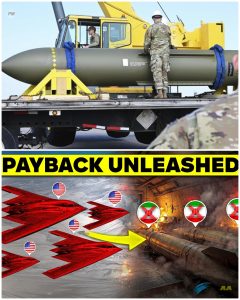
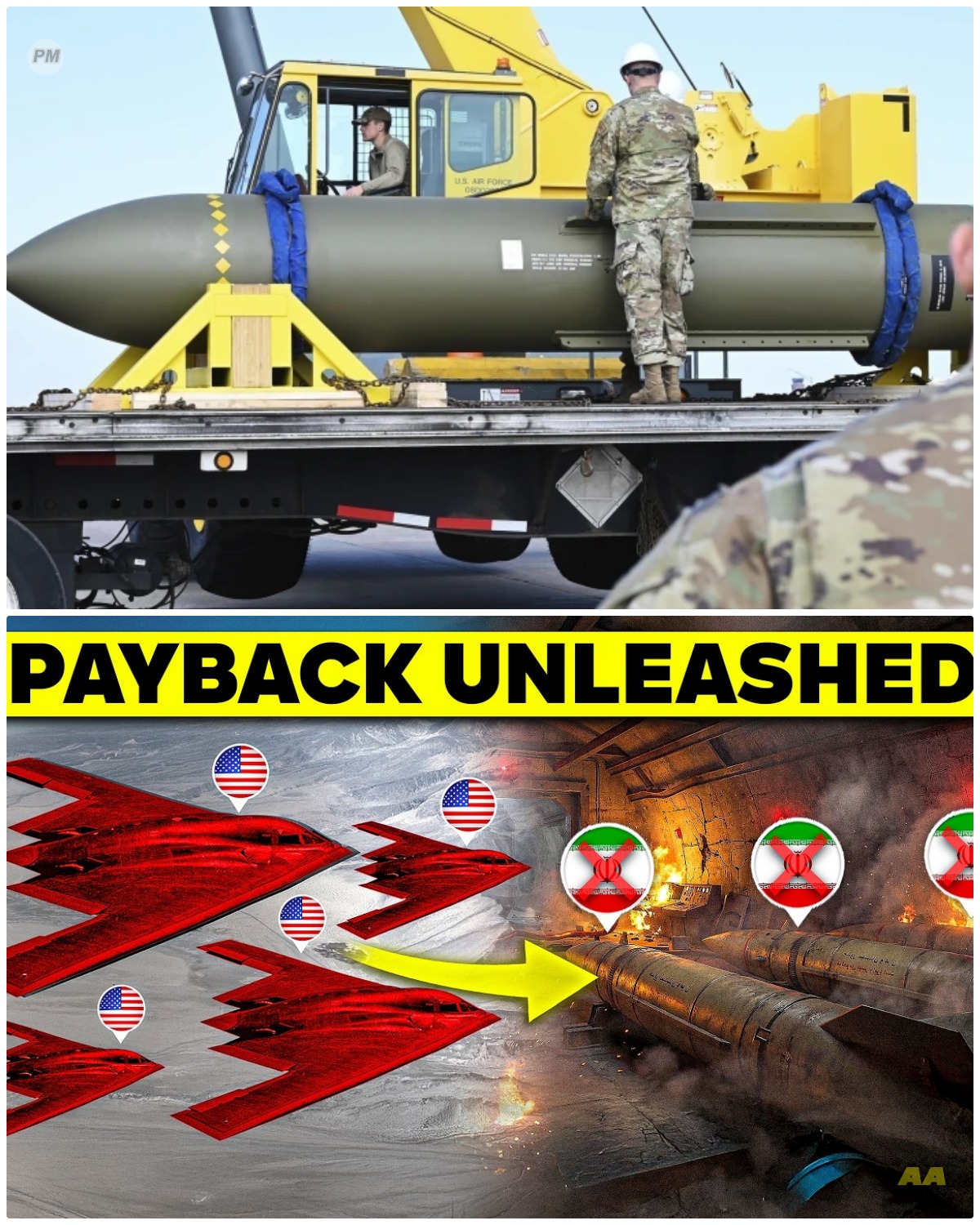
There is truth behind the dramatic imagery. The U.S. has deployed some of its most advanced weapons systems in this conflict, including B-2 stealth bombers—aircraft specifically designed to penetrate heavily defended airspace and destroy hardened underground targets.
In earlier phases of the conflict, these bombers were used to strike key Iranian nuclear facilities such as Fordow, Natanz, and Isfahan. These sites were deeply buried and heavily fortified, requiring bunker-buster munitions capable of penetrating layers of rock and reinforced concrete. (Wikipedia)
The impact was significant:
- Major infrastructure damage
- Disruption of enrichment capabilities
- Temporary setbacks to nuclear development
But here’s the key reality: damage is not the same as destruction.
Even U.S. intelligence assessments suggest uncertainty about how complete the impact really was. Some reports indicate that while facilities were hit, the broader program—and the knowledge behind it—remains intact. (The Times)
The 2026 War: Bigger Than Nuclear Sites
Fast forward to today, and the conflict has evolved into something much larger.
The U.S. is no longer just targeting nuclear infrastructure. It is now conducting widespread strikes across Iran:
- Missile systems
- Naval forces
- Military production facilities
More than 7,000 targets have reportedly been hit since the escalation intensified. (Reuters)
One of the most significant operations involved a massive bombing campaign on Kharg Island, a critical hub for Iran’s military logistics and oil exports. Over 90 military sites were destroyed in that single raid. (Wikipedia)
This is not a limited operation anymore. It’s a full-scale military campaign.
Is Iran “Begging for Mercy”?
Despite what sensational headlines suggest, there is no credible evidence that Iran is surrendering—or even close to it.
In fact, the opposite appears to be happening.
Iran continues to:
- Launch retaliatory missile and drone strikes
- Target energy infrastructure in the Gulf
- Disrupt global shipping routes
These actions have had real consequences, including spikes in global oil prices and widespread economic uncertainty. (AP News)
Rather than collapsing, Iran is adapting:
- Absorbing damage
- Shifting tactics
- Expanding pressure points
This is not the behavior of a country “begging for mercy.” It’s the behavior of one engaged in a prolonged, high-stakes conflict.
The Illusion of Total Control
The second part of the headline—suggesting that someone is secretly “controlling the war”—taps into a common but misleading idea.
Wars like this are not controlled by a single person or hidden deal. They are shaped by overlapping strategies, competing interests, and constant reactions.
Right now, the conflict is driven by:
1. U.S. Objectives
The U.S. aims to:
- Eliminate Iran’s missile and military capabilities
- Prevent nuclear development
- Secure key shipping routes like the Strait of Hormuz
2. Iran’s Strategy
Iran is responding through:
- Asymmetric warfare (missiles, drones, proxies)
- Economic disruption
- Regional escalation
3. Regional Dynamics
Other players—including Israel and Gulf states—are deeply involved, adding layers of complexity and risk.
This is not a controlled script. It’s a chain reaction.
Vladimir Putin and the “Shadow Role”
Now to the most intriguing part of the narrative: the idea that Vladimir Putin is secretly pulling the strings.
There is some truth—but also major exaggeration.
What is supported by evidence:
- Russia maintains a strategic relationship with Iran
- U.S. intelligence suggests Russia may have shared information that could help Iran target American forces (Air Force Times)
- Concerns exist in Washington about growing cooperation between Russia, Iran, and even China (New York Post)
What is not supported:
- No confirmed evidence that Russia is directing Iran’s military actions
- No proof of a secret deal controlling the war
- No indication that Putin is orchestrating events behind the scenes
In reality, Russia’s role appears to be:
- Opportunistic
- Strategic
- Indirect
It benefits from U.S. distraction and instability in global markets—but that’s very different from controlling the conflict itself.
A War Without Clear Boundaries
One of the most dangerous aspects of this conflict is how quickly it has expanded.
What began as targeted strikes has now spread across:
- Iran
- Israel
- The Persian Gulf
- Energy infrastructure across multiple countries
Recent attacks have even hit major gas fields and oil facilities, pushing global energy markets into turmoil. (The Guardian)
This is no longer a contained conflict. It’s a regional crisis with global consequences.
Why the Headlines Sound So Extreme
Headlines like:
- “Begging for mercy”
- “Shattered forever”
- “Shadowy control”
…are designed to capture attention, not reflect reality.
They simplify a situation that is:
- Highly complex
- Rapidly evolving
- Deeply uncertain
The truth is less dramatic—but far more serious.
What’s Really Happening
Here’s the reality, stripped of exaggeration:
✔ The U.S. has carried out powerful airstrikes, including B-2 bomber missions
✔ Iran’s military and nuclear infrastructure has taken significant damage
✔ The war is expanding across the region
❌ Iran is not surrendering
❌ No single leader or country is secretly controlling the war
❌ The outcome is far from decided
Conclusion
This is not a story about collapse or control. It’s a story about escalation.
The United States is applying overwhelming military pressure. Iran is responding with resilience and retaliation. Global powers like Russia are watching—and positioning themselves—but not dictating events.
And in the middle of it all is a reality that’s harder to summarize in a headline:
This war is still unfolding, still unpredictable, and still capable of becoming something much bigger than it already is.