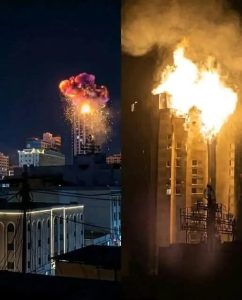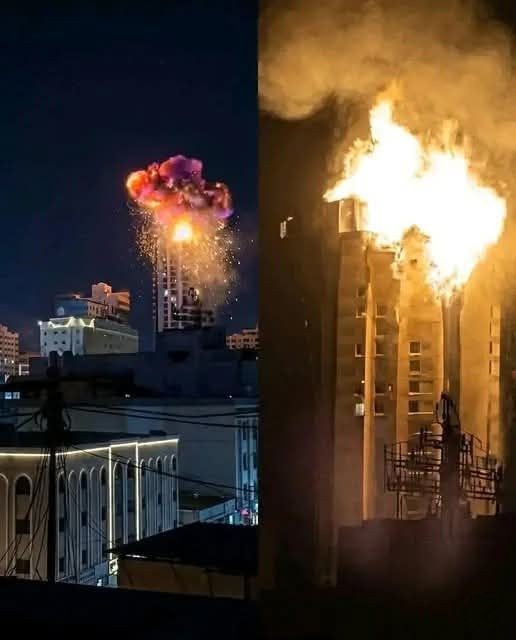
“BREAKING NEWS… 4 countries join forces to attack… see more.”
At first glance, a headline like this feels urgent, dramatic, and potentially alarming. It’s designed that way. The wording is intentionally incomplete, pushing the reader to click, react, and share before fully understanding what’s actually being claimed. But when you slow down and examine it carefully, a different picture begins to emerge—one that’s less about confirmed global events and more about how information spreads in the digital age.
To begin with, any genuine military action involving four countries coordinating an attack would be a major international development. This is not the kind of event that would be hidden behind vague language or a “see more” prompt. Historically, when nations have joined forces in military operations, those actions have been widely reported, clearly explained, and backed by official statements. For instance, during the Gulf War, a coalition of nations worked together under a unified strategy, and the entire world was aware of it in real time through extensive media coverage and government announcements.
Similarly, multinational involvement in conflicts such as the War in Afghanistan was openly discussed and documented. Countries involved made public declarations, outlined their roles, and coordinated through alliances and organizations. Groups like NATO and institutions such as the United Nations often play a role in these situations, whether through direct participation, oversight, or diplomatic response.
So when you encounter a headline that claims “4 countries join forces to attack” but fails to name those countries, identify a location, or provide a timeline, that lack of detail is a significant red flag. Real news answers fundamental questions: Who is involved? Where is it happening? Why now? What are the consequences? Without those answers, the claim remains incomplete and unverified.
There are several common explanations for headlines like this. One possibility is that the post is deliberately misleading—crafted to generate clicks rather than convey accurate information. Social media platforms reward engagement, and sensational content tends to spread faster than careful reporting. By using emotionally charged language and withholding key details, such posts encourage people to interact without thinking critically.
Another possibility is that the headline is exaggerating a real but less dramatic event. For example, countries frequently participate in joint military exercises. These drills are designed to improve coordination, test strategies, and strengthen alliances. However, when taken out of context, a routine exercise can be framed as an imminent attack. Without clear explanation, readers may interpret cooperation as aggression.
There’s also the role of misinformation to consider. In today’s digital environment, false or distorted claims can circulate widely before they are corrected. A single vague post can be shared thousands of times, gaining credibility simply through repetition. This creates an illusion of truth, even when no reliable sources confirm the story.
Psychologically, headlines like this tap into a broader sense of global uncertainty. Many people are aware that tensions exist between nations, so a claim about multiple countries joining forces can feel plausible, even without evidence. The combination of fear and curiosity makes it more likely that someone will click “see more” or share the post with others.
But if such an event were actually taking place, the signs would be unmistakable. Major news outlets around the world would be reporting it simultaneously. Governments would issue official statements. Financial markets might react. International leaders would address the situation publicly. None of these responses would remain hidden or vague.
This is why verification is so important. When faced with a dramatic claim, it’s worth taking a moment to check credible sources. Look for reporting from established news organizations, official government channels, or recognized international bodies. If those sources are not covering the story, that absence is meaningful.
It’s also helpful to pay attention to how information is presented. Reliable reporting tends to be specific and measured, while misleading content often relies on urgency and ambiguity. Phrases like “you won’t believe,” “see more,” or “just minutes ago” are commonly used to create a sense of immediacy without providing substance.
None of this is to say that global conflicts or alliances don’t exist. The world is complex, and countries do work together in both cooperative and confrontational ways. But those actions are rarely secret or unexplained, especially when they involve multiple nations and potential military force.
In the end, a headline like “BREAKING NEWS… 4 countries join forces to attack…” tells us very little on its own. It raises a question but doesn’t provide an answer. And in many cases, that’s the point—it’s meant to draw attention rather than deliver verified information.
Approaching such claims with a critical mindset doesn’t mean ignoring them entirely. It means asking the right questions, seeking reliable sources, and resisting the urge to react immediately. In a world where information moves quickly, the ability to pause and evaluate what you’re seeing is more valuable than ever.
If you happen to have the full post or more context about what you saw, feel free to share it. I can help break it down further and determine whether it’s credible, misleading, or completely unfounded.