BREAKING: Freezing Rain Slams Communities — A Dangerous Winter Threat Unfolds
Freezing rain is one of winter’s most deceptive and dangerous weather events. It doesn’t roar in like a blizzard or announce itself with towering snowdrifts. Instead, it arrives quietly, coating roads, trees, power lines, and sidewalks with a nearly invisible layer of ice that transforms everyday life into a hazardous obstacle course. As freezing rain slams parts of the United States, officials urge caution, warning that even a thin glaze can bring widespread disruption.
Unlike snow, which at least offers traction and visibility, freezing rain is treacherous because it creates instant ice. Rain falls through warmer air aloft, then passes into a shallow layer of freezing air near the ground. The droplets remain liquid until they hit a surface—roads, bridges, windshields—where they freeze on contact. The result is a glassy sheen that is hard to see but incredibly slick. Drivers may think roads are merely wet, only to lose control in seconds.
Transportation is often the first system affected. Highways become skating rinks, overpasses freeze faster than surrounding pavement, and even experienced drivers find themselves powerless against physics. Accidents multiply rapidly, leading to closures that ripple through entire regions. Emergency responders face delays reaching those in need, while stranded motorists wait in freezing conditions, sometimes for hours. Airports may ground flights, and rail systems slow to a crawl, compounding the sense of paralysis.
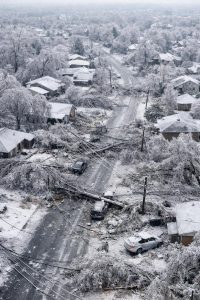
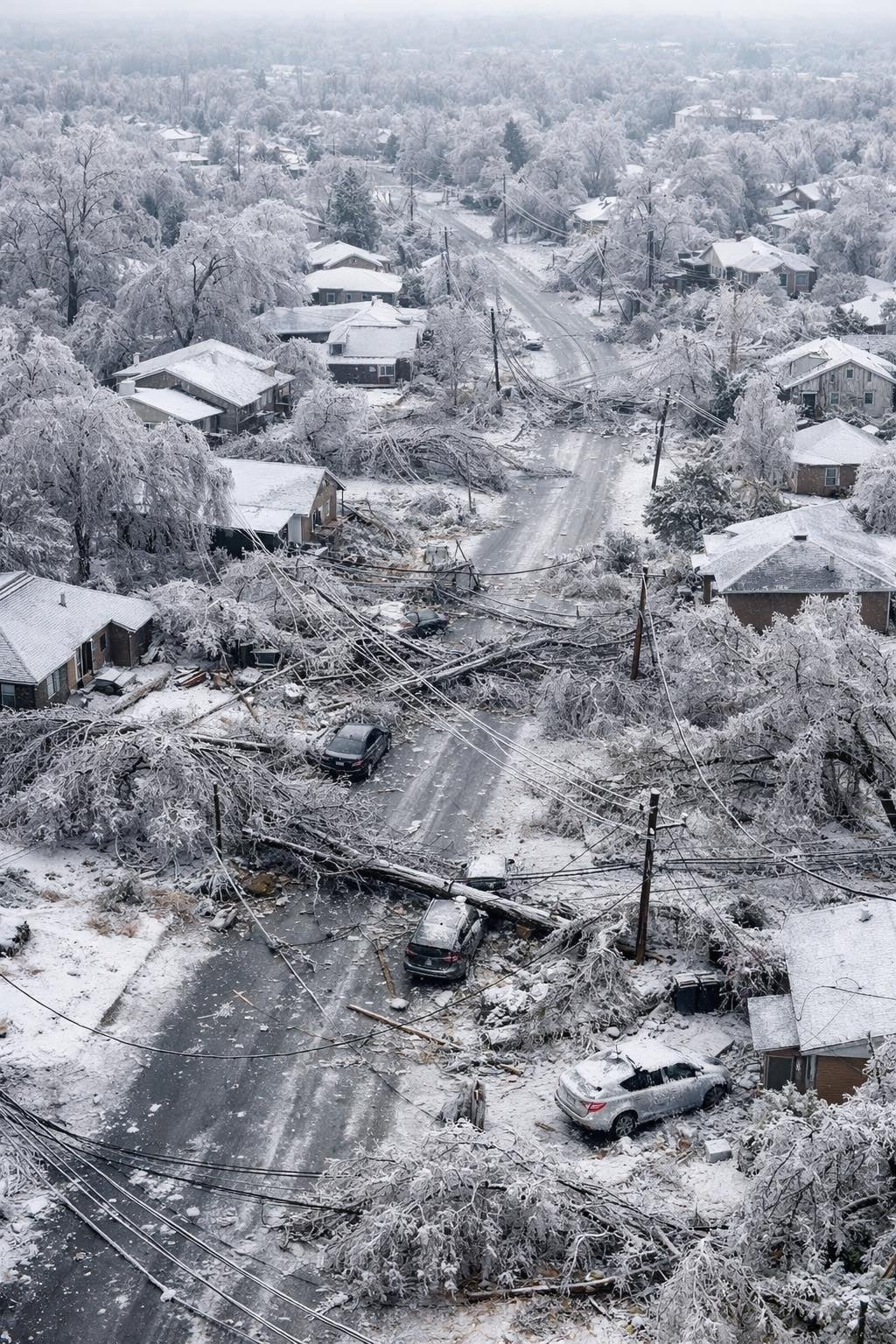
Beyond the roads, freezing rain wages a silent war on infrastructure. Ice accumulates on tree branches, adding weight until limbs snap or entire trees topple. Power lines sag and break under the strain, plunging neighborhoods into darkness. Unlike outages caused by storms that pass quickly, ice-related blackouts can linger, as crews must navigate hazardous conditions to make repairs. For families, this can mean cold homes, spoiled food, and days without reliable communication.
The danger extends to pedestrians as well. Sidewalks, steps, and parking lots become slick traps. A simple walk to the mailbox or grocery store can result in serious injury. Emergency rooms often see a surge in fractures, sprains, and head injuries during ice events. Older adults are especially vulnerable, and even those with good balance can be caught off guard. The ice offers no warning—no crunch underfoot, no visual cue—just a sudden loss of footing.
Schools and businesses face difficult decisions. Closing too early can seem unnecessary; closing too late can put lives at risk. Freezing rain complicates these choices because conditions can deteriorate rapidly. What begins as light rain can turn into a full-scale ice event within an hour. Many communities err on the side of caution, canceling classes and urging remote work, but not everyone has that option. Essential workers still need to travel, often under the most dangerous conditions.
There is also a psychological toll to freezing rain events. The sound of ice tapping against windows, the crack of branches breaking in the night, and the uncertainty of power loss create a sense of unease. Unlike snowstorms, which can feel almost festive, ice storms are tense and isolating. People hunker down, listening, waiting, hoping the lights stay on and the heat keeps running.
Preparation becomes critical when freezing rain is in the forecast. Authorities advise staying off roads unless absolutely necessary, stocking homes with essentials, and keeping phones charged. Simple precautions—like salting walkways, using ice cleats, and keeping emergency kits in vehicles—can make a significant difference. For those who must drive, reducing speed, increasing following distance, and avoiding sudden movements are essential, though even these measures cannot eliminate risk entirely.
Communities often reveal their resilience during such events. Neighbors check on one another, share generators, and help clear fallen branches when it’s safe. Local shelters open for those without heat, and utility crews work around the clock in brutal conditions. These moments highlight how interconnected people are, especially when faced with a threat that affects everyone equally, regardless of status or circumstance.
As freezing rain continues to slam affected areas, meteorologists emphasize that the danger doesn’t end when the rain stops. Ice can linger for days, especially in shaded areas and overnight when temperatures remain below freezing. Melting during the day followed by refreezing at night can create repeated cycles of hazard, catching people off guard just when they think conditions are improving.
Ultimately, freezing rain is a reminder of nature’s subtle power. It doesn’t need towering snowbanks or howling winds to disrupt lives. A thin layer of ice—sometimes no thicker than a coin—can shut down cities, darken homes, and test patience and preparedness. Respecting that power, staying informed, and prioritizing safety are the best defenses against one of winter’s most unforgiving storms.
For now, officials continue to monitor conditions closely, urging residents to stay alert and cautious. In events like these, the most important action is often the simplest: slow down, stay put if you can, and remember that no destination is worth risking your life on a sheet of invisible ice.