If Your Veins Are Visible in Your Hands, Is It a Sign of Something Serious?
You’ve probably come across social media posts claiming, “If your veins are visible in your hands, it is a signal of…” followed by a mysterious “See more.” These posts often imply that prominent veins are a warning sign of a hidden disease or a major health problem. While such headlines are designed to grab attention, the reality is much more nuanced.
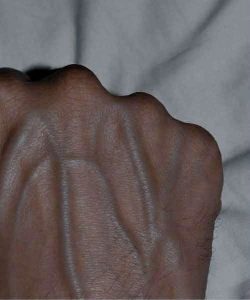
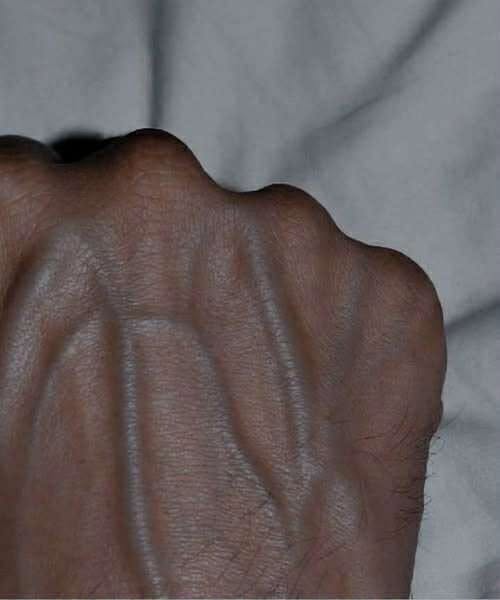
Visible veins in the hands are common and, in many cases, completely normal. The appearance of your veins depends on several factors, including your genetics, age, body composition, skin tone, hydration level, temperature, and physical activity. Although there are situations where changes in your veins may warrant medical attention, simply being able to see them does not automatically indicate a health issue.
Why Are Veins Visible?
Veins are blood vessels responsible for carrying blood back to the heart after oxygen has been delivered throughout the body. Since many veins lie just beneath the skin, they can become more noticeable under certain conditions.
One of the biggest factors is genetics. Some people naturally have veins that are closer to the surface of the skin, making them easier to see. If your parents or close relatives have prominent veins, there’s a good chance you inherited the same characteristic.
Body fat also plays an important role. People with lower levels of body fat tend to have more visible veins because there is less tissue covering them. This is especially common among athletes, bodybuilders, runners, cyclists, and individuals who exercise regularly.
Skin thickness changes over time as well. As people age, the skin naturally becomes thinner and loses some of the collagen and fat that once concealed blood vessels. This is why older adults often notice veins becoming more prominent on their hands and forearms.
Exercise Can Make Veins Stand Out
After lifting weights or engaging in vigorous physical activity, many people notice that the veins in their hands and arms appear larger than usual. This temporary effect happens because muscles require increased blood flow during exercise. Blood vessels expand, muscles swell slightly, and the veins become more noticeable.
Once the body returns to its resting state, these veins often become less prominent again.
For fitness enthusiasts, visible veins are sometimes viewed as a sign of low body fat and increased muscle definition rather than poor health.
Warm Temperatures Can Affect Veins
Have you ever noticed your veins appearing larger during a hot summer day or after taking a warm shower?
Heat causes blood vessels near the skin to widen, a process known as vasodilation. This helps your body release excess heat by bringing warm blood closer to the skin’s surface. As a result, veins become easier to see.
Cold weather often has the opposite effect. Blood vessels narrow to conserve body heat, making veins appear smaller or less visible.
Hydration Matters
Hydration can also influence how veins look.
When you’re properly hydrated, blood circulates efficiently throughout the body. Temporary changes in hydration levels can slightly affect the fullness of veins, although this is usually subtle in healthy individuals.
Athletes may notice changes in vascular appearance before or after intense workouts due to shifts in fluid balance.
Does It Mean Poor Circulation?
One common myth is that visible veins automatically indicate poor circulation.
In reality, the opposite is often true. Healthy veins are responsible for efficiently returning blood to the heart. Simply seeing them beneath your skin is not evidence that circulation is impaired.
Poor circulation is usually associated with symptoms such as:
- Persistent numbness
- Cold hands or feet
- Pain while walking
- Skin discoloration
- Slow-healing wounds
- Swelling
Visible veins alone do not confirm any of these conditions.
When Should You Be Concerned?
Although prominent veins are usually harmless, certain changes deserve medical evaluation.
You should consult a healthcare professional if visible veins are accompanied by:
- Sudden swelling in one arm or hand
- Significant pain or tenderness
- Redness and warmth over the vein
- Hard, rope-like veins
- Unexplained bruising
- Skin ulcers
- Persistent swelling of the hand or arm
These symptoms could indicate inflammation, injury, or another medical condition that requires assessment.
Varicose Veins and Hand Veins
Most people associate varicose veins with the legs rather than the hands.
Varicose veins develop when valves inside veins become weakened, allowing blood to pool. This usually occurs in the lower legs because gravity makes it harder for blood to return to the heart.
The veins seen on the backs of healthy hands are generally not varicose veins. Instead, they are simply superficial veins that have become more visible.
Can Diet Affect Veins?
A balanced diet supports overall cardiovascular health, but it won’t dramatically change whether your hand veins are visible.
Eating foods rich in fruits, vegetables, whole grains, lean proteins, and healthy fats helps maintain healthy blood vessels over time. Staying hydrated and limiting smoking are also beneficial for vascular health.
Are Visible Veins a Sign of Heart Disease?
Not by themselves.
Heart disease is associated with risk factors such as:
- High blood pressure
- High cholesterol
- Diabetes
- Smoking
- Obesity
- Physical inactivity
- Family history
Visible veins on your hands are not considered a diagnostic sign of heart disease.
Why Do Some People’s Veins Look Blue?
Interestingly, blood inside veins is not actually blue—it is always shades of red. Veins appear blue because of the way light penetrates the skin and reflects back to our eyes. Different wavelengths of light are absorbed and scattered differently, creating the familiar bluish appearance.
The Bottom Line
The next time you encounter a headline claiming that visible hand veins are a sure sign of a serious condition, it’s worth approaching the claim with skepticism. In most healthy people, prominent veins are simply a normal variation influenced by genetics, age, body fat, exercise, temperature, and skin thickness.
However, if the appearance of your veins changes suddenly or is accompanied by pain, swelling, redness, warmth, or other concerning symptoms, it’s wise to seek medical advice. A healthcare professional can determine whether further evaluation is needed.
Ultimately, visible veins are usually just another reminder that every person’s body is unique. Rather than relying on alarming social media posts, it’s best to pay attention to your overall health, maintain regular checkups, and consult qualified medical professionals whenever something genuinely seems out of the ordinary.