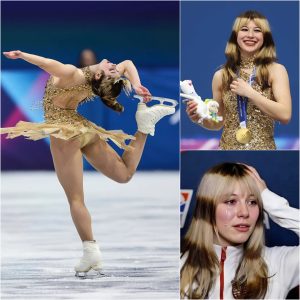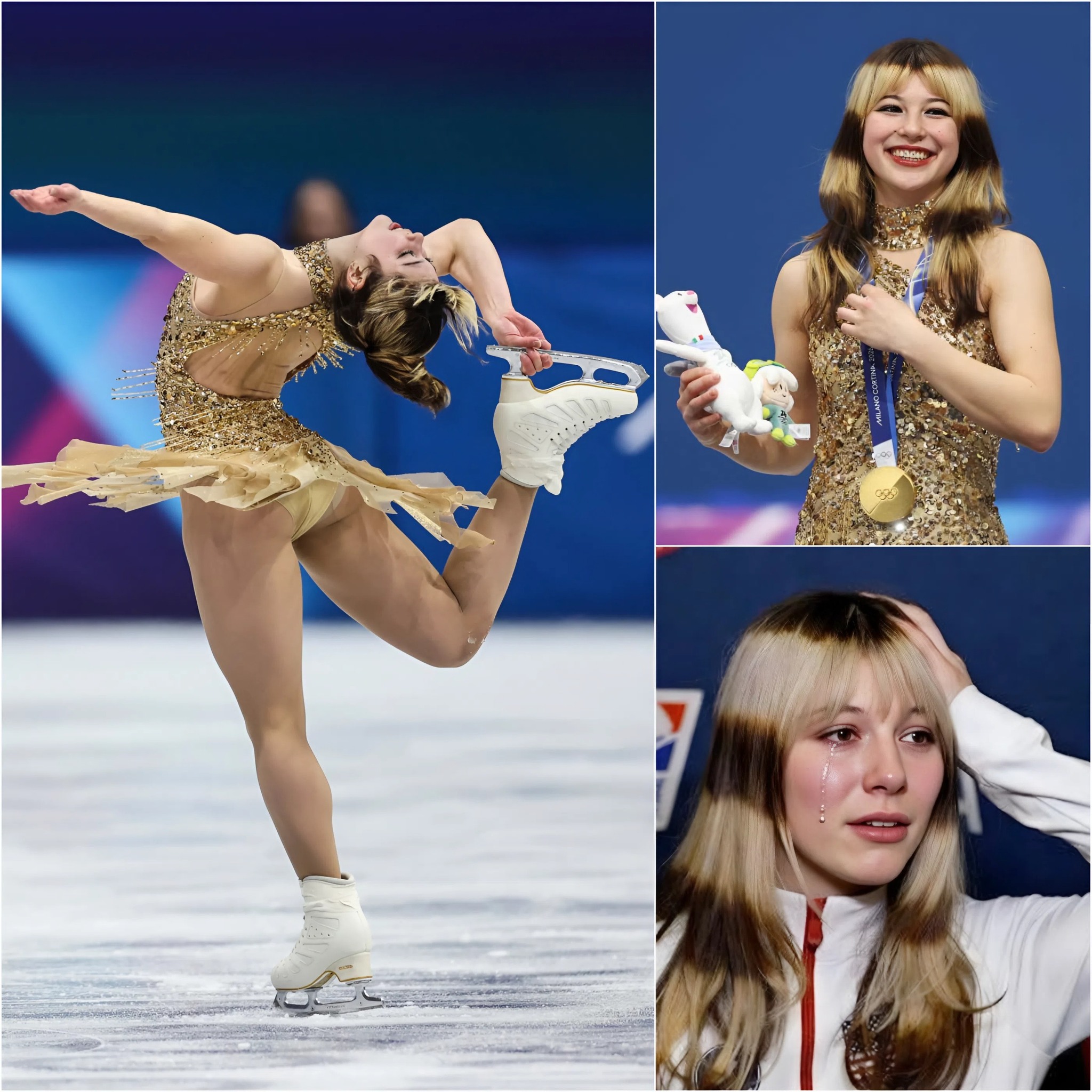
A SHOCK TO THE ICE: SONOKO NAKANO’S SUSPENSION AND WHAT IT MEANS FOR FIGURE SKATING
In a development that sent tremors through the tightly knit world of elite figure skating, Sonoko Nakano, the longtime coach of Olympic champion Kaori Sakamoto, has been fined $200,000 and handed an indefinite suspension by the sport’s global governing body, the International Skating Union (ISU). The announcement, delivered with stark brevity, immediately ignited debate across federations, fan communities, and athlete circles worldwide.
While details surrounding the sanction remain limited at this stage, the implications are anything but. Nakano is not just another coach—she is a central figure in the modern Japanese skating renaissance and a guiding force behind one of the most consistent champions of the past Olympic cycle. Any action against her reverberates far beyond one rink, one athlete, or one country.
Why This Matters: The Nakano–Sakamoto Legacy
For years, Sonoko Nakano has been synonymous with discipline, precision, and psychological steadiness. Her coaching philosophy emphasized clean skating, competitive resilience, and incremental improvement—an approach that dovetailed perfectly with Kaori Sakamoto’s powerful skating style and composure under pressure. Together, they navigated World Championships, Olympic seasons, and the relentless scrutiny that comes with being at the top.
Sakamoto’s rise was often cited as a case study in stability in a sport notorious for volatility. That stability was widely attributed to Nakano’s presence. An indefinite suspension, therefore, raises immediate questions about continuity, athlete welfare, and competitive fairness—especially as the next Olympic cycle accelerates.
The ISU’s Message: Authority and Accountability
The ISU’s decision to impose both a substantial fine and an open-ended suspension signals a clear intent to assert authority. Indefinite suspensions are rare and severe; they are designed not merely to punish, but to deter. Whatever the underlying allegations, the governing body appears determined to send a message that no individual—regardless of reputation or results—is beyond oversight.
In recent years, international sport has undergone a broader reckoning around governance, transparency, and enforcement. Figure skating, with its subjective judging and intense coach-athlete dynamics, has faced particular pressure to modernize its regulatory culture. Against that backdrop, the severity of the sanction suggests the ISU is keenly aware of public perception and institutional credibility.
Shockwaves Through Japan’s Skating Program
Japan’s skating community responded with disbelief. Nakano is deeply embedded in the nation’s development pipeline, and her methods have influenced generations of skaters and assistant coaches. An indefinite suspension disrupts training ecosystems, competitive planning, and international assignments—not only for Sakamoto, but potentially for other athletes connected to Nakano’s rink.
National federations now face difficult decisions: how to safeguard athletes’ preparation while navigating international compliance. Even temporary uncertainty can derail a season in a sport where timing, momentum, and confidence are everything.
Athlete Impact: The Human Cost of Governance
Lost amid headlines and penalties is the athlete experience. Coaches are not interchangeable parts. They are confidants, tacticians, and emotional anchors. Removing a coach—especially abruptly—can be destabilizing, even when alternative support is available.
For Kaori Sakamoto, the challenge is twofold: maintaining elite performance while absorbing the psychological shock of losing a trusted mentor. Athletes at the highest level are trained to compartmentalize, but the stress of transition is real and measurable. Sports psychologists often note that changes in coaching relationships can have short-term performance effects, even for veterans.
Fans, Social Media, and the Rush to Judgment
As with many modern sports controversies, reaction online has been immediate and polarized. Some fans demand full transparency, arguing that accountability strengthens the sport. Others urge caution, emphasizing due process and warning against reputational damage before all facts are publicly established.
This tension highlights a persistent dilemma: how governing bodies balance confidentiality with the public’s demand for clarity. Silence can breed speculation; disclosure can invite misinterpretation. The ISU now walks that tightrope under intense global scrutiny.
Broader Implications for Coaching Culture
Regardless of the ultimate outcome, the case is likely to influence coaching culture across figure skating. Compliance training, documentation, and oversight may become more stringent. Coaches may feel increased pressure to formalize practices that were once informal or tradition-based.
For some, that shift is overdue. For others, it risks eroding the trust-based relationships that define effective coaching. The challenge lies in enforcing standards without flattening the human elements that make the sport thrive.
What Comes Next
An indefinite suspension is not necessarily permanent, but it places the burden on the sanctioned individual to meet conditions for review—conditions that are often rigorous and opaque. Appeals, arbitration, or negotiated reinstatement may follow, depending on procedural avenues available within ISU regulations.
Until then, uncertainty reigns. Competition calendars move forward. Athletes adapt. Federations recalibrate. And the sport watches closely.
Final Reflection
Figure skating has always lived at the intersection of artistry and authority. This episode underscores how fragile that balance can be. The sanction against Sonoko Nakano—whatever its final resolution—marks a defining moment, not just for one coach or one champion, but for how the sport understands responsibility, power, and trust.
In the coming months, facts will emerge, decisions will be reviewed, and careers will adjust. But the lesson is already clear: in global sport, reputation and results no longer shield anyone from scrutiny. And when governance acts decisively, the ice beneath even the most established figures can crack.